



Growth
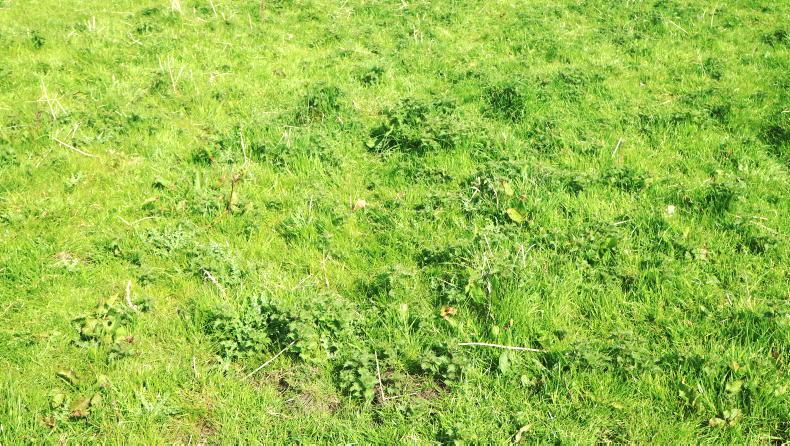
Grass growth is slowly improving, but is still lagging behind the norm for the time of year. There has been a noticeable growth burst in weeds, and many are now approaching the optimum timeframe for treatment.
For docks, nettles and thistles, the recommended timing for treatment is what is known as the rosette stage. This is when plants are at a height of 100mm to 250mm (6” to 10”) for docks and nettles.
The reasoning for treatment at this growth stage is to maximise plant-spray contact at a point in time when plants are growing actively, leading to enhanced uptake of the chemical and transportation around the plant.
A height of around 200mm (8”) is recommended for thistles due to the fact that their leaves grow outward, allowing optimum spray contact at this height.
For rushes, the optimum treatment procedure is where green rushes are being treated with chemical uptake limited where rushes have progressed to a woody stage. The advice in such a scenario is to delay treatment, cut or mulch the rushes and then treat the fresh regrowth.
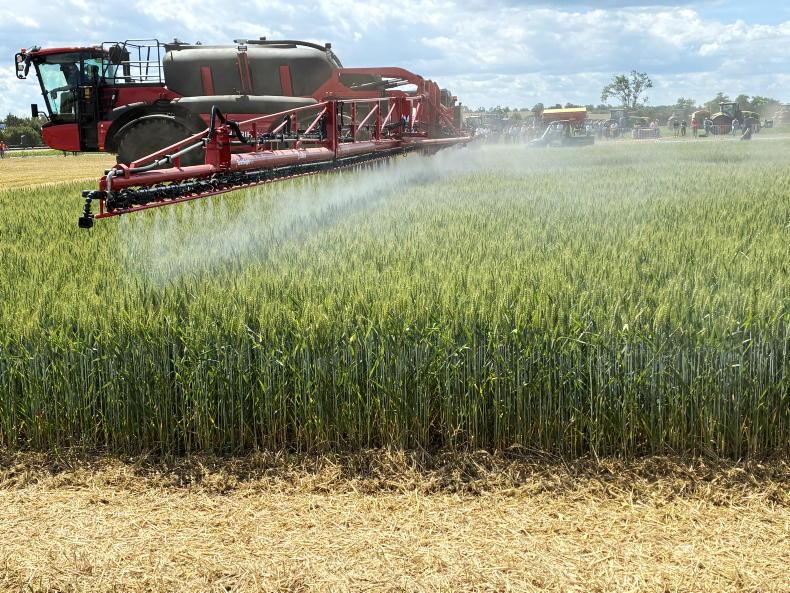
Spraying is generally a better option for treatment of weeds, docks and nettles, as by the time they have reached a height for treatment with a weed licker/wiper they have often progressed beyond the optimum stage for treatment.
Spot treatment is the best option where there is a risk to plant biodiversity in swards with diverse species. For the same reason, weed wiping/licking is preferred to spraying for rushes in many areas.
This consideration is growing in importance under schemes such as the Agri-Climate Rural Environment Scheme, while there is a continued spotlight on herbicide use and water quality.
In this regard it is vital to follow recommended guidelines and only apply product when conditions are suitable and dispose of any containers or spray wash in the appropriate manner.
Final draft of hoggets
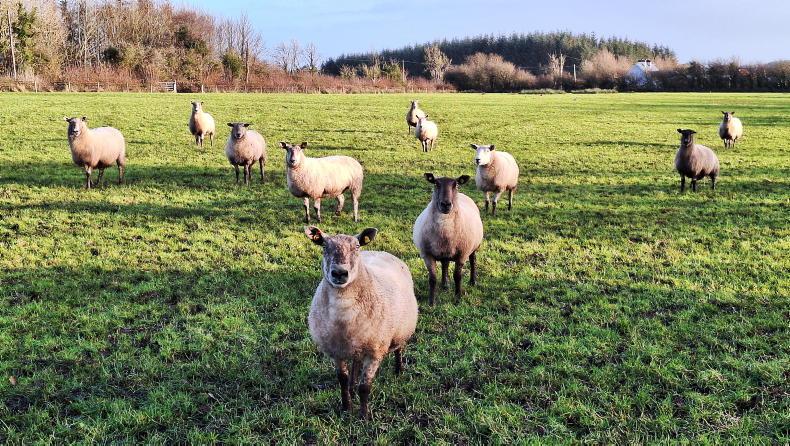
Demand for hoggets is holding firm and with prices ranging from €150 to €170, depending on weight, condition etc, it continues to provide an ideal opportunity for farmers to draft poorer-quality hoggets deemed unsuitable for breeding or which will struggle to sell well in autumn breeding sales.
It is impossible to judge what demand will be like in breeding sales, but the experience of the last two years has shown that even where demand is strong, plainer-quality types will face a more challenging trade and in many cases would have been better off sold earlier in the year.
As such, having a final check as to their suitability for breeding will pay dividends.
Drafting lambs
Reports on the slaughter performance of lambs are variable. Some reports point to lambs killing out poorer than anticipated, which is not surprising given the challenging weather. The number of lambs slaughtered to-date is running 30% behind the corresponding period in 2022.
It is important, given the high cost of finishing to handle lambs regularly and draft on a combination of fat cover and weight. Young, well fleshed lambs will kill out in the region of 50%, while aged lambs or lambs which have received lower levels of feeding will kill back to 47% to 48%.
If in doubt it is worth drafting a selection to gauge slaughter performance and delay drafting lambs which you think may be at risk of killing underweight or underfleshed. The same goes for hoggets, with higher numbers of underfleshed hoggets continuing to come on stream.




SHARING OPTIONS