



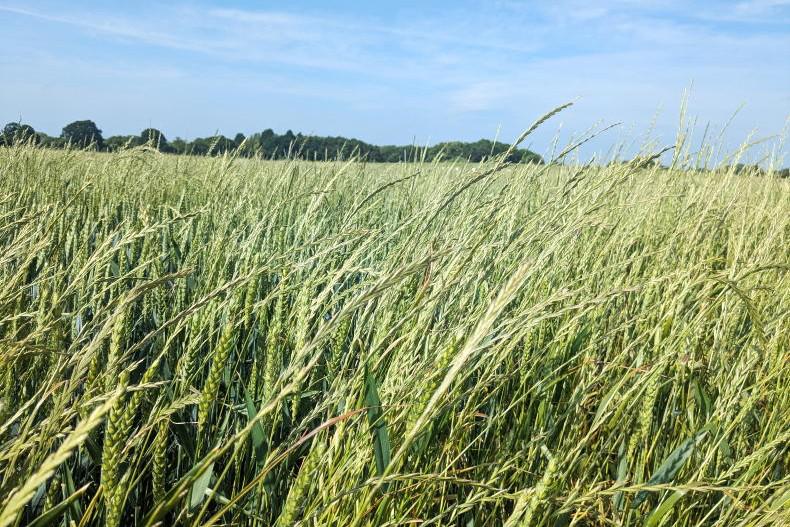
A thick cereal crop can help to suppress grass weeds by reducing the sunlight, nutrients, and space available to the weeds, reducing overall grass weed numbers and the ability of the remaining plants to tiller. Therefore, calculating the seeding rate at which to plant a crop is crucial to ensure an optimal plant population, and alongside smothering out weeds, helps to maximise yield potential.
To do this, a farmer must know the thousand grain weight of the seed, the target plant population, and the expected establishment percentage.
While visiting the Agrii Italian ryegrass trial site in Yorkshire this summer, researcher Steve Corbett noted that the establishment percentage is often left to one side and is not considered as much when deciding on a seeding rate. He says that the germination rate of cereal seed in England is often overestimated.
While farmers and agronomists might consider a typical establishment rate in winter cereals to be between 75 and 90%, Steve says that in his experience, the real rate is closer to somewhere between 50 and 65%.
While this can be down to poor seedbeds and very wet or dry weather patterns, Steve says that the quality of the seed in England can sometimes be lower than what would be expected.
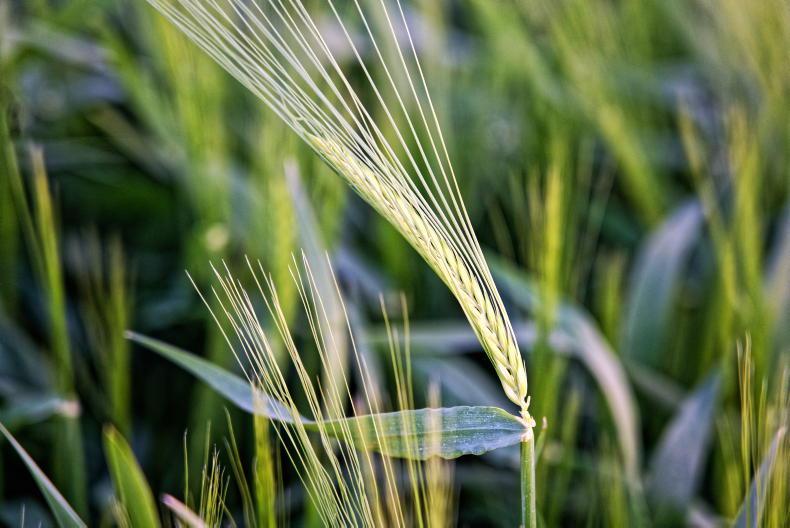
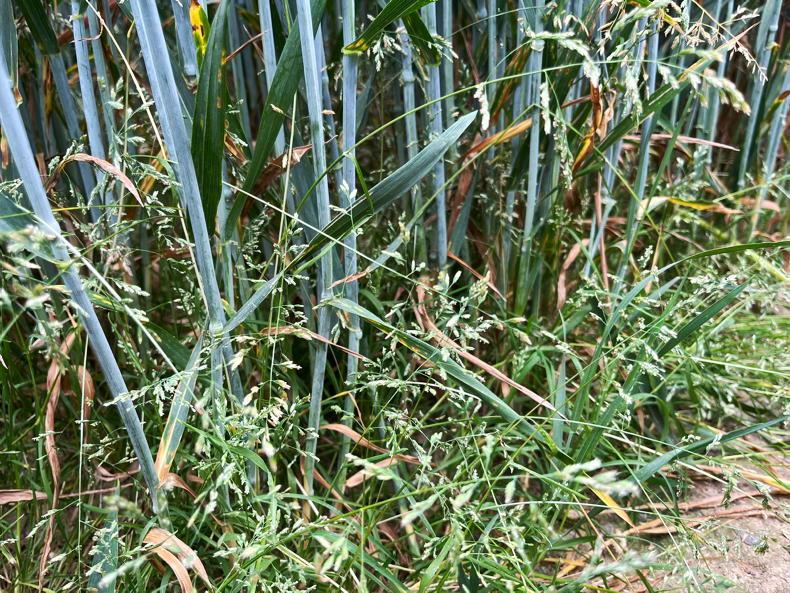
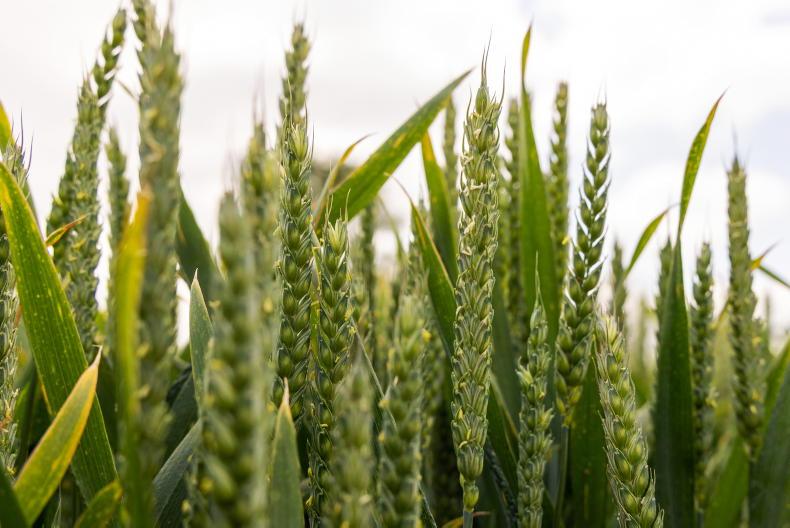
This obviously has knock-on consequences for the yield of winter cereals. However, it is also an issue for weed control. The competitiveness of different crops can be an important aspect of suppressing weeds, especially grass weeds. Steve says that even a good stand of winter wheat, not known to be the best at doing this, can help to control up to 40% of grass weeds. He explains that oats or a hybrid barley may perform even better in this regard.
It should be noted that Irish certified seed is guaranteed to have a germination percentage of 85% and those home-saving seed should always test for germination.



SHARING OPTIONS