The Teagasc store lamb finishing calculator, which has become a valuable tool in recent years for farmers to complete finishing budgets, has been updated for the 2025 season. The tool can be successfully used by farmers purchasing lambs to inform decisions about the most suitable type of lamb to purchase. It is equally beneficial for farmers considering selling lambs, providing information on the likely margin attainable and if it is better to retain or sell.
The easy-to-use tool can be found at www.teagasc.ie/animals/sheep/financial-management/. It allows all sorts of permutations to be put to the test, with the calculator automatically updating once different values are inserted.
Data inputs
The user inputs data detailed in Table 1, such as the date of purchase, starting weight, value of lambs, likely production costs, duration of grazing and forecast farmgate sale price. It is important to use realistic production costs and performance targets.
Many producers often forget to include costs such as transport costs, interest and mortality when calculating finishing budgets, but these are all very real costs that can have a significant influence on the potential margin.
Veterinary costs will be influenced by the length of time lambs are on-farm and the health programme in place. For example, a simple protocol of a quarantine drench for worms and foot care averages about €1.50/head.
Clostridial disease vaccination will be influenced by the history on the farm and the length of time lambs are likely to be there and is a good insurance policy to safeguard your investment. Each shot will cost in the region of €1.40 to €1.80/head, depending on the size of vaccine purchased.
The target mortality will depend on the type of lamb purchased and the finishing system. Mortality will be lower on average where short keep lowland store lambs are purchased and finished outdoors. The greatest risk is where light lambs are purchased and transferred immediately indoors for finishing. The target mortality should ideally be within 2% to 3%.
Grazing period
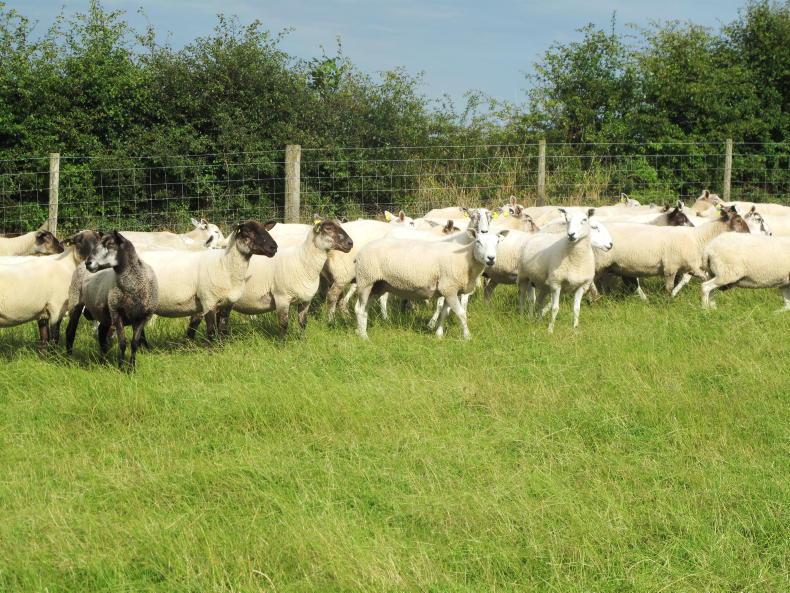
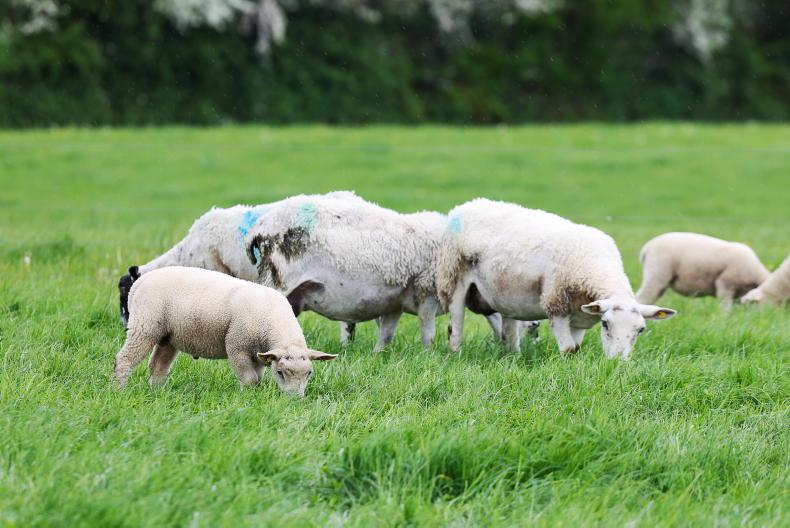
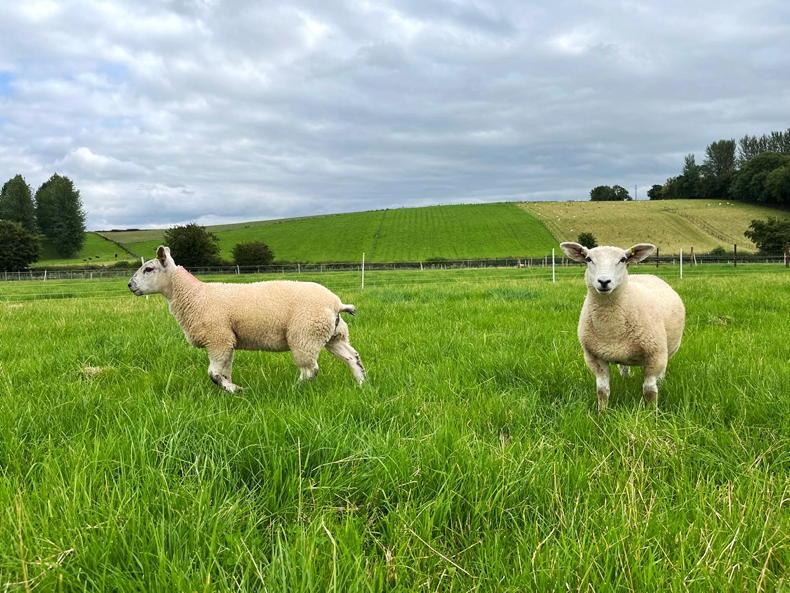
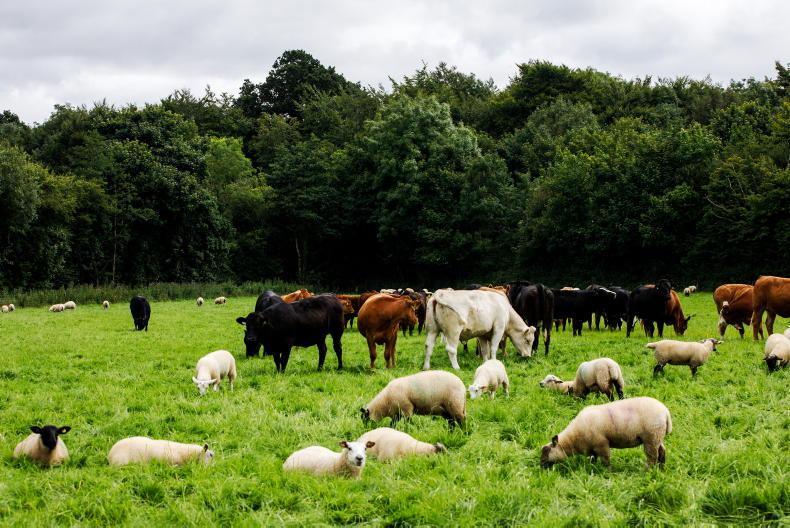
Where a period of grazing can be built in to the finishing system, particularly where starting from a low liveweight, then this will increase the chances of generating a positive margin. Weather and grass utilisation will have a substantial impact on performance at grass.
Performance at grass at present varies depending on location. It is generally running at close to optimum levels on the west coast and northern half of the country with grass growth rates favourable and grass supplies in a good position. Grass supplies are tighter on highly stocked farms in the southeast where a growing soil moisture deficit has slowed grass growth.
The experience of finishing systems in Teagasc Mellows Campus Athenry and through data collected on farms participating in their BETTER Farm Programme, shows that light hill lambs are capable of achieving compensatory performance– provided that lambs are healthy and that growth hasn’t been stunted.
Lambs less than 25kg have managed to gain 145g/day, or in excess of 10kg liveweight in a 10-week period in Athenry in recent years, while typical performance for heavier lambs on grass is an average of 100g to 110g, or 7kg to 8kg gain.
Concentrate costs
Concentrate costs are predicted to be lower in 2025 on the back of low grain prices. In previous years, the calculator had a maximum figure which could be inserted for concentrates and this has been significantly increased in 2025 to reflect organic finishing systems, where concentrate costs are significantly higher.
Concentrate costs can also vary greatly depending on the volumes being purchased and significant savings can also be made from purchasing concentrates in bulk, compared to 25kg bags.
All the performance figures built in to the calculator in terms of indoor finishing are again based on extensive research in Mellows Campus Athenry. The calculator works on the premise that once lambs are housed they will be transferred to an ad-lib concentrate diet. Typical intake of hill store lambs is in the region of 1.1kg, rising to 1.2kg for crossbred lambs.
Crossbred lambs have a higher growth rate potential on an intensive finishing diet (250g/head/day), better food conversion efficiency (FCE of approx. 5:1) and superior slaughter performance compared to hill lambs. Hill lambs are still capable of achieving favourable performance (average 200g/hd/day), with a lower FCE of 6.5kg concentrates to 1kg liveweight.
Finishing period
The target carcase weight entered will influence the length of time lambs are on the farm. It is important to monitor lamb performance and fat cover, as there is little point in retaining lambs to meet a target carcase weight if performance has stagnated, and doing so is an inefficient use of resources, or if it results in lambs going overfat.
Wether and ewe lambs will typically finish faster than ram lambs and therefore drafting decisions should be based on both weight and fat cover. The calculator will deliver a projected farmgate price based on historical lamb price data for the time of year.
This figure can be accepted or deviated from. The output figures are generated automatically and the producer has no role here. In addition to the net margin, the online calculator also delivers a breakeven carcase price, along with a breakeven purchase price and price per kilo.
Key messages
The potential margins attainable from finishing store lambs are tighter than previous years, with the differential between purchase and finishing prices at a narrow level. As such, it is important for farmers to enter as accurate figures as possible for their enterprise. The data detailed in Table 1 is for illustrative purposes.
The price point of store lambs is rewarding primary producers and will hopefully help to encourage a stabilisation in ewe numbers. Where grass supplies or tight on-farm, or cash reserves need to be generated, then it is worth farmers considering their options and completing a finishing blueprint.
Assessing options
For hill lambs in particular the weight category in which lambs fall in to will influence options available.
Less than 25kg: these lambs are typically a longer-term prospect and a question which needs to be asked is what growth potential is present? The ideal situation is where these lambs can be grazed on and allowed to mature and develop a frame, but where this is not a runner, then a light lamb market may be an option. 25kg to 30kg: these lambs are a similar prospect to above, but there is likely to be slightly more scope to bring to heavier weights. Feeding on grass is again recommended as transferring lambs on to an intensive finishing diet too soon will only result in lambs finishing at a light carcase weight or risk going overfat. 30kg to 35kg: these lambs could be transferred on to a finishing diet, but a shorter period at grass would pay dividends in lowering finishing costs. It is also a good option to introduce supplementation at grass where the ultimate plan is to finish lambs indoors. 35kg upwards: this group of lambs possibly has the most options available to them. Where good-quality grass is available they can be retained on grass in a bid to achieve cheap weight gain while the feasibility of supplementing heavier lambs to bring to a level of finish suitable for slaughter is improved with a shorter finishing period.
The Teagasc store lamb finishing calculator, which has become a valuable tool in recent years for farmers to complete finishing budgets, has been updated for the 2025 season. The tool can be successfully used by farmers purchasing lambs to inform decisions about the most suitable type of lamb to purchase. It is equally beneficial for farmers considering selling lambs, providing information on the likely margin attainable and if it is better to retain or sell.
The easy-to-use tool can be found at www.teagasc.ie/animals/sheep/financial-management/. It allows all sorts of permutations to be put to the test, with the calculator automatically updating once different values are inserted.
Data inputs
The user inputs data detailed in Table 1, such as the date of purchase, starting weight, value of lambs, likely production costs, duration of grazing and forecast farmgate sale price. It is important to use realistic production costs and performance targets.
Many producers often forget to include costs such as transport costs, interest and mortality when calculating finishing budgets, but these are all very real costs that can have a significant influence on the potential margin.
Veterinary costs will be influenced by the length of time lambs are on-farm and the health programme in place. For example, a simple protocol of a quarantine drench for worms and foot care averages about €1.50/head.
Clostridial disease vaccination will be influenced by the history on the farm and the length of time lambs are likely to be there and is a good insurance policy to safeguard your investment. Each shot will cost in the region of €1.40 to €1.80/head, depending on the size of vaccine purchased.
The target mortality will depend on the type of lamb purchased and the finishing system. Mortality will be lower on average where short keep lowland store lambs are purchased and finished outdoors. The greatest risk is where light lambs are purchased and transferred immediately indoors for finishing. The target mortality should ideally be within 2% to 3%.
Grazing period
Where a period of grazing can be built in to the finishing system, particularly where starting from a low liveweight, then this will increase the chances of generating a positive margin. Weather and grass utilisation will have a substantial impact on performance at grass.
Performance at grass at present varies depending on location. It is generally running at close to optimum levels on the west coast and northern half of the country with grass growth rates favourable and grass supplies in a good position. Grass supplies are tighter on highly stocked farms in the southeast where a growing soil moisture deficit has slowed grass growth.
The experience of finishing systems in Teagasc Mellows Campus Athenry and through data collected on farms participating in their BETTER Farm Programme, shows that light hill lambs are capable of achieving compensatory performance– provided that lambs are healthy and that growth hasn’t been stunted.
Lambs less than 25kg have managed to gain 145g/day, or in excess of 10kg liveweight in a 10-week period in Athenry in recent years, while typical performance for heavier lambs on grass is an average of 100g to 110g, or 7kg to 8kg gain.
Concentrate costs
Concentrate costs are predicted to be lower in 2025 on the back of low grain prices. In previous years, the calculator had a maximum figure which could be inserted for concentrates and this has been significantly increased in 2025 to reflect organic finishing systems, where concentrate costs are significantly higher.
Concentrate costs can also vary greatly depending on the volumes being purchased and significant savings can also be made from purchasing concentrates in bulk, compared to 25kg bags.
All the performance figures built in to the calculator in terms of indoor finishing are again based on extensive research in Mellows Campus Athenry. The calculator works on the premise that once lambs are housed they will be transferred to an ad-lib concentrate diet. Typical intake of hill store lambs is in the region of 1.1kg, rising to 1.2kg for crossbred lambs.
Crossbred lambs have a higher growth rate potential on an intensive finishing diet (250g/head/day), better food conversion efficiency (FCE of approx. 5:1) and superior slaughter performance compared to hill lambs. Hill lambs are still capable of achieving favourable performance (average 200g/hd/day), with a lower FCE of 6.5kg concentrates to 1kg liveweight.
Finishing period
The target carcase weight entered will influence the length of time lambs are on the farm. It is important to monitor lamb performance and fat cover, as there is little point in retaining lambs to meet a target carcase weight if performance has stagnated, and doing so is an inefficient use of resources, or if it results in lambs going overfat.
Wether and ewe lambs will typically finish faster than ram lambs and therefore drafting decisions should be based on both weight and fat cover. The calculator will deliver a projected farmgate price based on historical lamb price data for the time of year.
This figure can be accepted or deviated from. The output figures are generated automatically and the producer has no role here. In addition to the net margin, the online calculator also delivers a breakeven carcase price, along with a breakeven purchase price and price per kilo.
Key messages
The potential margins attainable from finishing store lambs are tighter than previous years, with the differential between purchase and finishing prices at a narrow level. As such, it is important for farmers to enter as accurate figures as possible for their enterprise. The data detailed in Table 1 is for illustrative purposes.
The price point of store lambs is rewarding primary producers and will hopefully help to encourage a stabilisation in ewe numbers. Where grass supplies or tight on-farm, or cash reserves need to be generated, then it is worth farmers considering their options and completing a finishing blueprint.
Assessing options
For hill lambs in particular the weight category in which lambs fall in to will influence options available.
Less than 25kg: these lambs are typically a longer-term prospect and a question which needs to be asked is what growth potential is present? The ideal situation is where these lambs can be grazed on and allowed to mature and develop a frame, but where this is not a runner, then a light lamb market may be an option. 25kg to 30kg: these lambs are a similar prospect to above, but there is likely to be slightly more scope to bring to heavier weights. Feeding on grass is again recommended as transferring lambs on to an intensive finishing diet too soon will only result in lambs finishing at a light carcase weight or risk going overfat. 30kg to 35kg: these lambs could be transferred on to a finishing diet, but a shorter period at grass would pay dividends in lowering finishing costs. It is also a good option to introduce supplementation at grass where the ultimate plan is to finish lambs indoors. 35kg upwards: this group of lambs possibly has the most options available to them. Where good-quality grass is available they can be retained on grass in a bid to achieve cheap weight gain while the feasibility of supplementing heavier lambs to bring to a level of finish suitable for slaughter is improved with a shorter finishing period.
SHARING OPTIONS