



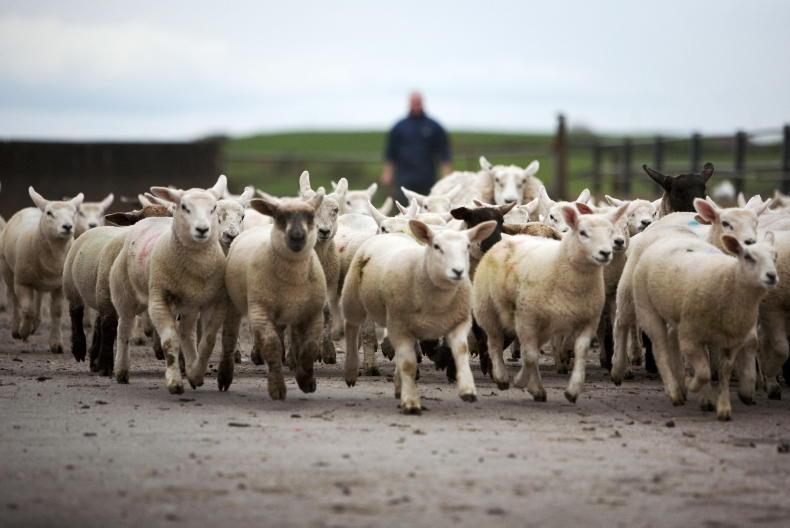
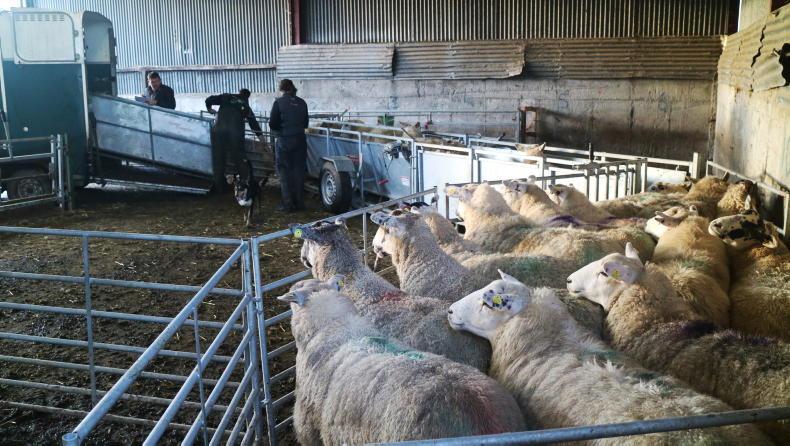
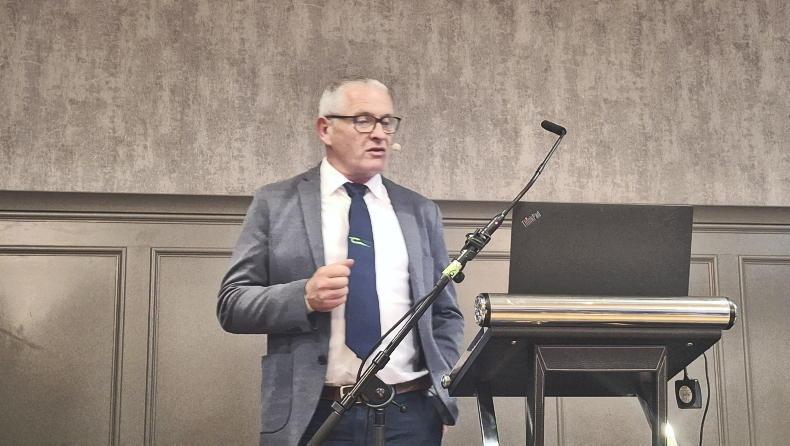
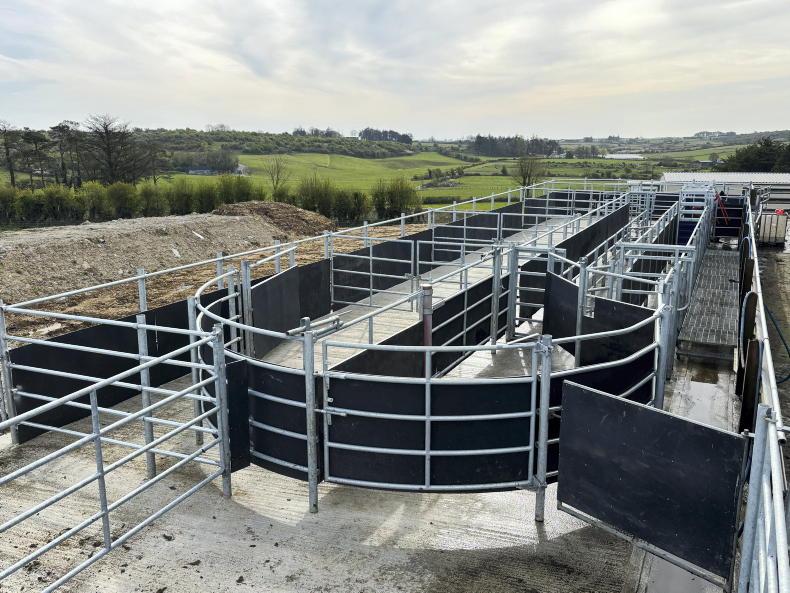
A lack of efficient handling facilities on farms are a major barrier to reducing the level of labour input required on sheep farms. This was a key take home message at a presentation delivered by Teagasc sheep specialist Damian Costello at the recent Teagasc lowland sheep conference held in Galway/Roscommon and supported by the Kepak Group.
Only 34% of respondents to a large-scale labour study had five items that Teagasc list as essential in minimising labour and encouraging farmers to complete sheep-handling tasks more regularly. The five critical components and the number of respondents who possessed them are outlined as follows:
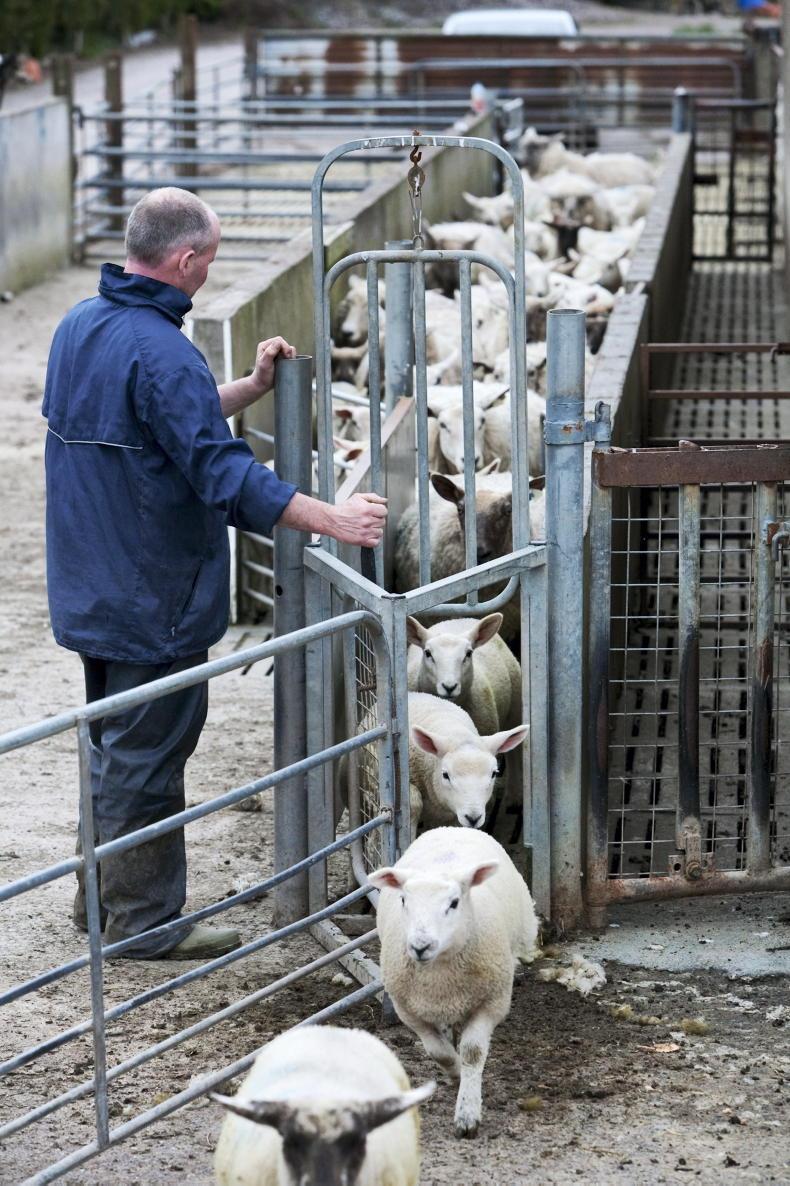
Damian outlined that 23% of respondents did not have a designated sheep-handling unit despite 85% of respondents stating that improved handling facilities would reduce labour.
He said that the fact that half of sheep farmers did not have a sorting gate meant that there is a lot of time being wasted in separating sheep and potentially a lot of strain being placed on the operator by having to handle each sheep they wished to separate from the batch.
Grant aid
He outlined that the five components are relatively inexpensive to purchase in a standard type, especially compared to the purchase of machinery, and urged sheep farmers to take advantage of grant aid under the Farm Safety Capital Investment Scheme (FSCIS) entry route to the Targeted Agricultural Modernisation Scheme (TAMS).
Grant aid is available under the FSCIS at a rate of 60% and the Department of Agriculture has maintained a 100% approval rate of all eligible applications for investments for farm safety.
The three top-ranked priorities for labour saving were sheep handling, sheep fencing and sheep housing.
Within sheep handling, 25% of respondents expressed a desire to possess clamp or automatic systems, but a barrier in affording such units is a cap on TAMS reference costs, with costings limited to non-automatic units.
Another 11% stated that a handling race would improve their system, while 7% had a mobile sheep handling unit on their wishlist.
Inadequate reference costs were listed as one of three reasons for not availing of TAMS funding, with the other two being too complex of an application procedure and the overall investment cost. The highest uptake of TAMS funding is in the 35 to 49 age group and part-time farmers, while larger flocks are twice as likely to apply compared to smaller flocks.
Fragmented farms
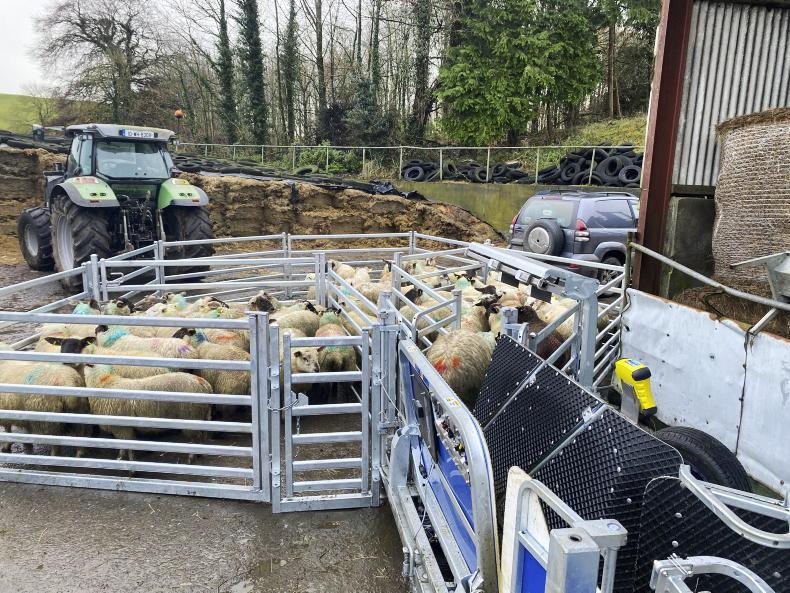
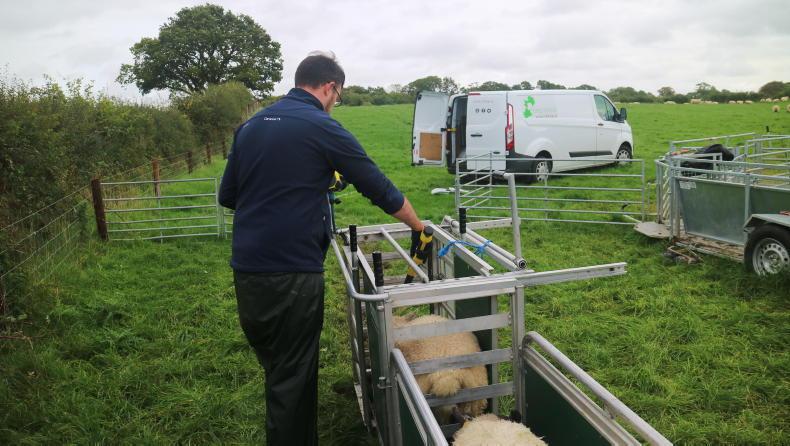
Land fragmentation is another strain on labour, with 68% of those surveyed stating that they were required to transport sheep between land blocks, yet only 23% of respondents had a mobile sheep-handling unit and just 13% had a mobile and fixed unit.
Damian added that the lack of facilities was also a likely a factor in farmers delaying tasks involving the handling of sheep, which presented a risk of performance being curtailed by health-related tasks not being completed on time.
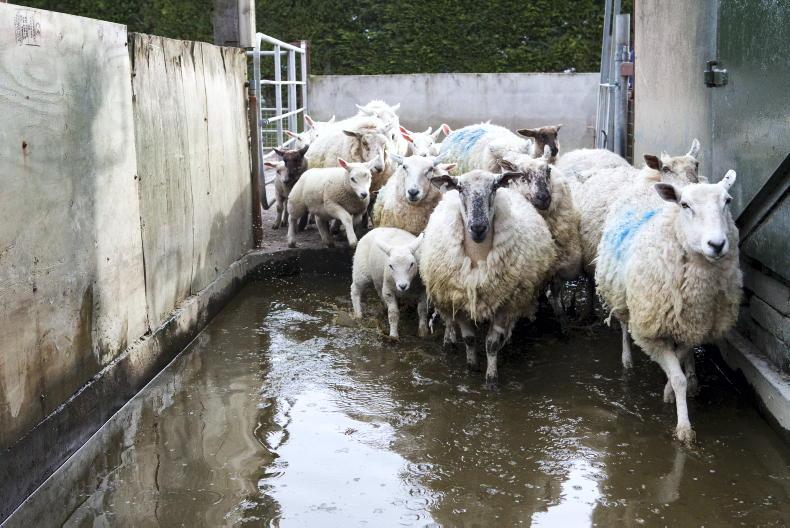
An example of this is footbathing of sheep. As mentioned, 23% of farmers surveyed did not have a footbath available. For those that did, 68% were an in-race footbath, with 17% more possessing a batch unroofed unit and 9% a batch roofed unit.
The average unit was capable of fitting seven ewes at one time in a footbath. When you consider the length of time that sheep need to stay in the footbath to provide between 20 and 30 minutes contact time with solution, most units are impractical and, as such, sheep are only run through or kept in the footbath for a much shorter period.
Future challenges
There was a good geographical spread and representation across age categories in those surveyed – 21.4% (101) farmers were under 35, 27.8% (131) were aged between 35 and 49, 35.5% (168) were aged 50 to 65 and 15.1% (104) were aged over 65.
The average flock ewe size was 168 ewes, which is well above the national average.
Approximately 44% of respondents had less than 100 ewes, delivering a balanced sample of respondents. Some 39% of respondents were full-time farmers, 45% worked five days off-farm and 16% worked one to four days off-farm.
Not surprisingly, 84% of farmers under 35 worked off-farm, with 73% between 35 and 49 years of age, 55% between 50 and 65 and 24% over 65 years.
Work-life balance
The survey veered in to challenges faced by part-time operators and Damian reported that maintaining a work-life balance is the greatest challenge – 70% complete most sheep tasks on a Saturday, while 17 days of leave are taken each year for farm work.
Some 6% hire paid labour, while 62% rely on family members for help and 32% complete most tasks on their own. Between 28% and 41% of farmers said they were inclined to reduce numbers in the future. Damian highlighted that poor sheep-handling facilities are likely to be a contributing factor, with 70% of these farmers not possessing the five key components listed above, 62% not avail ing of TAMS grant aid and 50% working off-farm. He concluded that a labour-efficient and profitable sheep enterprise can be achieved when the right infrastructure is in place and urged farmers to consider adopting simple improvements that can bring huge savings in labour input.
They are also vital in encouraging the next generation of farmers into sheep farming on a family farm. He said that Teagasc will continue to provide assistance in this area and highlighted a useful resource, A Guide to Designing A Sheep Handling Unit, which can be found at teagasc.ie/publications.



SHARING OPTIONS