



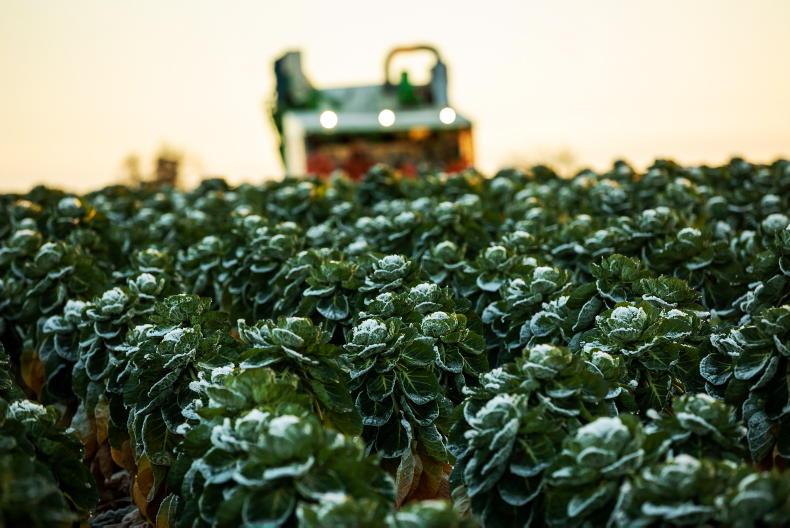
In an industry-wide effort to support the long-term sustainability of Irish horticulture growers and the continued availability of locally grown produce for Irish consumers, Aldi, Dunnes Stores, Lidl, Marks & Spencer, SuperValu/Centra and Tesco have committed to the principles of a new horticulture grower retail charter, developed as part of the National Strategy for Horticulture 2023-2027.
The effort to identify the key principles that underpin the charter was led by the Irish Farmers’ Association (IFA)
The charter aims to encourage a trading environment that supports the long-term production and availability of Irish-grown fruit, vegetables and horticultural produce in response to the challenges faced by the sector, including climate change, increasing costs, and major geopolitical disruption.
Steered by the horticultural industry forum (HIF) sub-committee comprising of the Department of Agriculture, Teagasc, Bord Bia and the IFA and chaired by grower representative Orla McManus, the horticulture grower retail charter seeks to strengthen relationships across the horticulture supply chain and create a more resilient future for Irish growers, retailers and consumers.
Principles
The charter establishes five key principles intended to support a stronger and more sustainable horticulture sector:
CCPC
Following agreement of the principles in this voluntary charter, the charter has been submitted to and is subject to review by the Competition and Consumer Protection Commission (CCPC) for its consideration.
HIF chair Orla McManus said the agreement on the principles is an “important step" towards strengthening the position of Irish growers and supporting the long-term competitiveness, sustainability and resilience of the sector.
But she highlighted that “success will ultimately be measured by stronger and more transparent trading relationships, greater recognition of the real costs and risks of production and the confidence for growers to invest and plan for the future".




SHARING OPTIONS