Rye increased in area last year and many growers are new to the crop.
It is a crop that allows farmers to reduce input spends while hitting yields as high as winter wheat, but the grain is normally valued lower.
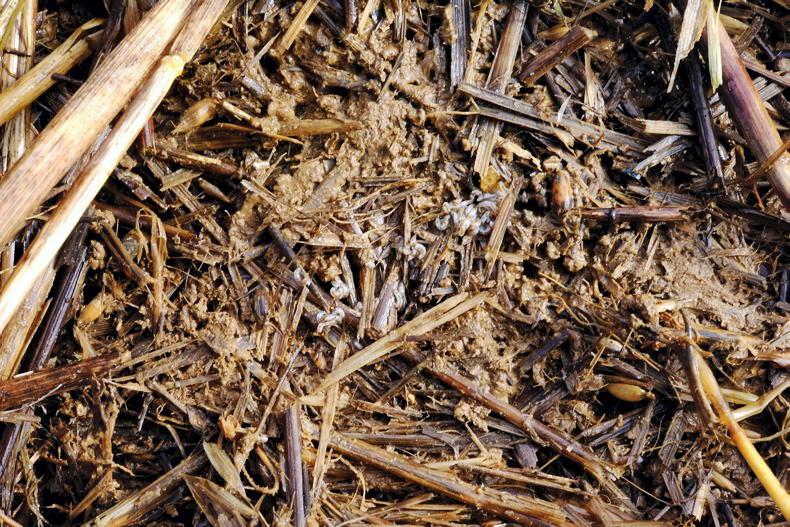
However, there is one major risk with the crop and that is slugs. Slugs seem to like rye over any other crop.
One farmer said recently they come from the next parish to eat it and he might be right. Some farmers have had whole fields of rye taken out by slugs, which ends up being very expensive.
Crops need to get established well and farmers need to keep slugs at bay. Planting later can leave crops more prone to slug damage as they are coming up slowly.
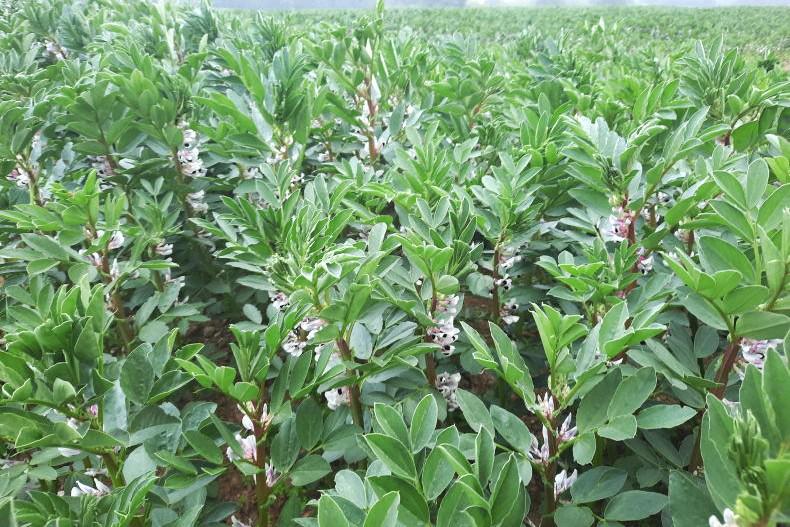
Crops after oilseed rape or beans with a heavy residue might be more susceptible.
Advice
At the Teagasc crops forum, researcher Richie Hackett gave some advice on reducing the risk of slugs to the crop.
Richie commented that slugs will stay eating rye for the whole winter, whereas wheat and barley crops generally get ahead of the slugs.
He noted that if you have very high slug populations on your farm, then rye isn’t the crop for you or if a particular field has high levels of slugs, then do not plant a crop of rye in that field.
Richie’s key points of advice were to:
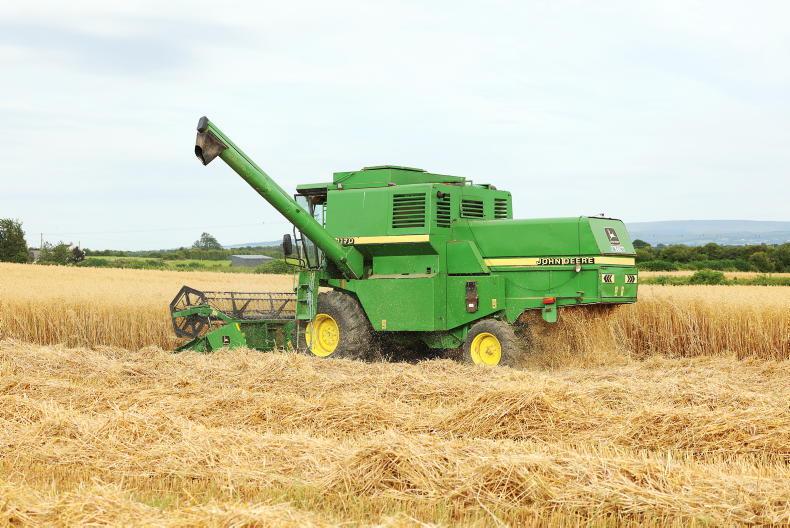
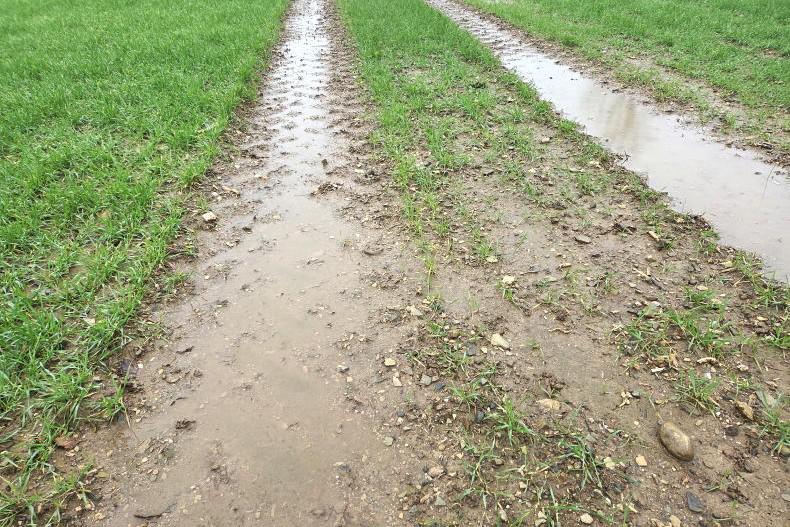
Cultivate after the harvest of the previous crop to the rye to reduce slug egg numbers.Have a fine firm seed bed to slow down slugs.Roll the seedbed tightly.Roll twice, if possible - Richie does this in trial plots.Richie commented that slug pellets will not stop all the grazing and if slug numbers are high, then you cannot rely on pellets.
He added that planting earlier can help get the crop past the high-risk stages, but in high populations, he said it’s not a cure.
Rye increased in area last year and many growers are new to the crop.
It is a crop that allows farmers to reduce input spends while hitting yields as high as winter wheat, but the grain is normally valued lower.
However, there is one major risk with the crop and that is slugs. Slugs seem to like rye over any other crop.
One farmer said recently they come from the next parish to eat it and he might be right. Some farmers have had whole fields of rye taken out by slugs, which ends up being very expensive.
Crops need to get established well and farmers need to keep slugs at bay. Planting later can leave crops more prone to slug damage as they are coming up slowly.
Crops after oilseed rape or beans with a heavy residue might be more susceptible.
Advice
At the Teagasc crops forum, researcher Richie Hackett gave some advice on reducing the risk of slugs to the crop.
Richie commented that slugs will stay eating rye for the whole winter, whereas wheat and barley crops generally get ahead of the slugs.
He noted that if you have very high slug populations on your farm, then rye isn’t the crop for you or if a particular field has high levels of slugs, then do not plant a crop of rye in that field.
Richie’s key points of advice were to:
Cultivate after the harvest of the previous crop to the rye to reduce slug egg numbers.Have a fine firm seed bed to slow down slugs.Roll the seedbed tightly.Roll twice, if possible - Richie does this in trial plots.Richie commented that slug pellets will not stop all the grazing and if slug numbers are high, then you cannot rely on pellets.
He added that planting earlier can help get the crop past the high-risk stages, but in high populations, he said it’s not a cure.






SHARING OPTIONS