



Lakeland Dairies farms are in the top 20% nationally for soil fertility, analysis carried out by the processor shows.
In terms of optimal phosphorus (P), potassium (K) and pH, the Lakeland Dairies farms that took part in the soil sampling project outscored both national cross-sector and dairy-only operations, with optimal fertility 18% higher than the average for the country.
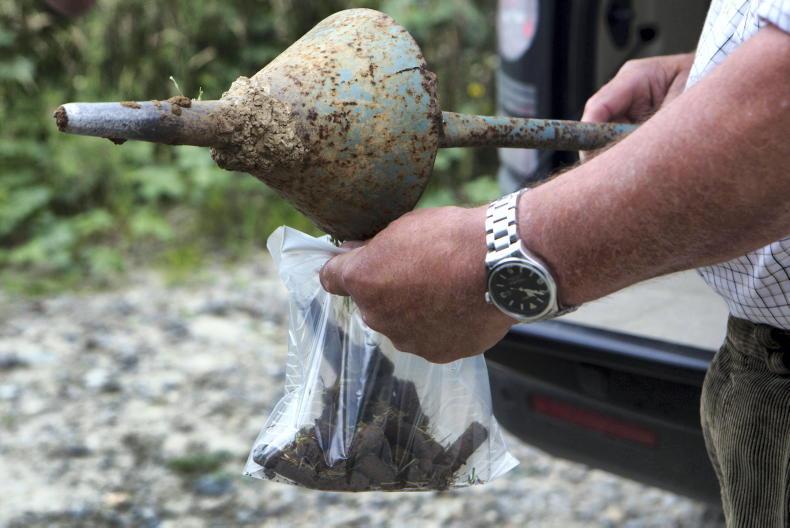
Over the course of 2022 and the beginning of 2023, more than 5,000 samples were taken from the roughly 300 farms that supply Lakeland Dairies.
FarmEye performed the analysis on the samples, which were taken from farms in counties Cavan, Monaghan, Donegal, Kildare, Laois and Leitrim.
Some 67% of samples had optimal P levels and 70% had optimal K levels. The majority of the soil samples taken from Lakeland Dairies farms had a pH of >6.2, which was 10% higher than the national average for pH levels.
Soil test operation
Since 2014, Lakeland Dairies has been running a subsidised soil test operation in Ireland, with the intention of increasing soil fertility within its milk supply catchment region.
For suppliers in Northern Ireland, a different soil sample programme is in operation.
General manager of Lakeland Dairies member relations Eamon Duignan said: “It’s very encouraging to see the level of soil sampling uptake taking place across the Lakeland Dairies catchment area.”
Duignan added that this “shows how tuned in the Lakeland Dairies farm families are to the importance of soil fertility”.
“We will continue to support our farmers on this journey,” the Lakeland Dairies general manager said.
Healthy soil
Lakeland Dairies farm sustainability manager Niall McLoughlin commented that “optimal soil fertility is the foundation stone of healthy soil. Having a healthy soil means we can grow as much grass as possible while working to reduce our use of chemical fertiliser.”
The sustainability manager explained that “by getting soil fertility levels right, we can cut fertiliser usage, which is good for the environment and good for the pocket".
Lakeland Dairies farmers are “helping reduce our carbon emissions while also continuing to produce the highest-quality milk,” McLoughlin said.



SHARING OPTIONS