Reducing calf pneumonia with vaccination on a Donegal dairy-beef farm
In east Donegal, farmer Gareth Peoples explains how a tailored vaccination programme transformed the health and performance of his calves, while reducing stress during this busy period.
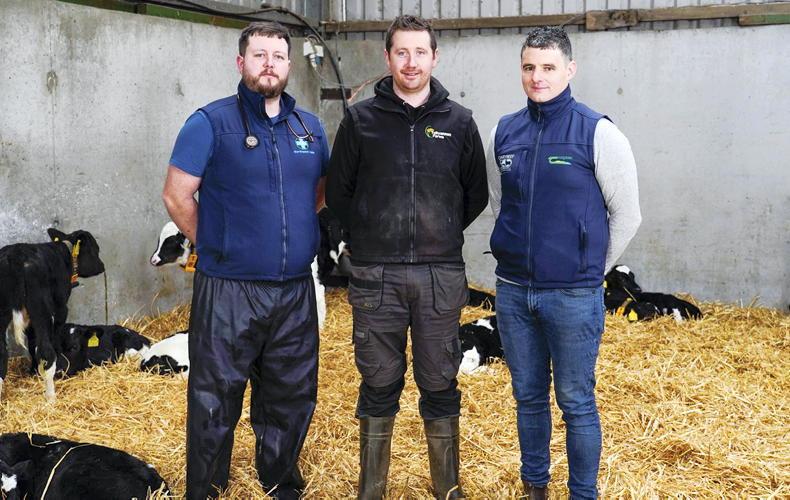
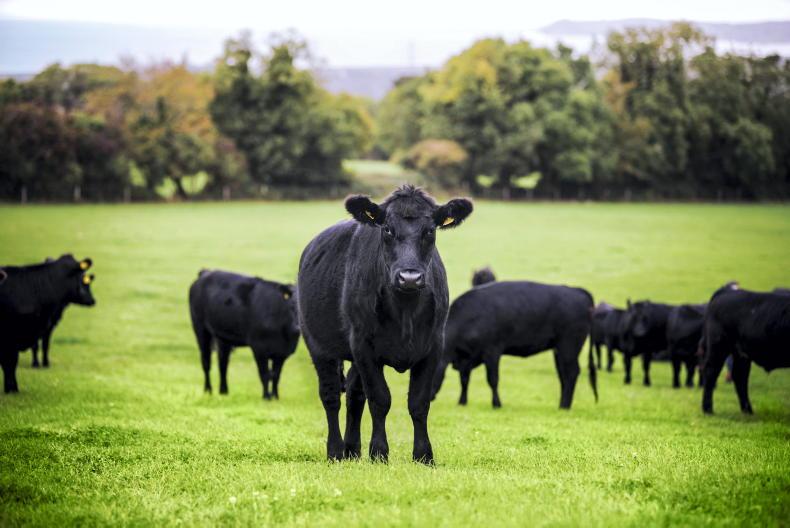
Gareth farms in Newtown Cunningham with his wife Enya and their three children. He purchases approximately 120 calves annually, the calves are sourced from three local dairy farms. It’s a system built on trust, and in recent years, it has been delivering results from the moment the calves arrive at the farm gate.
Sourcing from a small number of trusted farms reduces the risk of introducing disease, which is a key factor in managing health in bought-in calves, as Gareth knows only too well.
ADVERTISEMENT
A few years ago, and before a proper vaccination programme was in place, he found out the hard way.
Issues that presented in the past
Three years ago, respiratory disease was a major issue with the calves. Despite treating animals as soon as possible, there were recurring cases. A more targeted approach was needed and Gareth contacted his vet, Niall McSharry of Northwest Vets to discuss.
"When we got the call about respiratory issues in Gareth’s calves, we carried out a full investigation and took nasal swabs. The result came back showing PI3 was the cause, and we implemented a vaccination protocol" Niall explained.
The vaccination programme
As calves are born on the source farms, Bovilis INtranasal RSP Live is administered on the day of birth and the calves are provided with good quality and quantity of colostrum. This ensures optimal passive transfer of immunity.
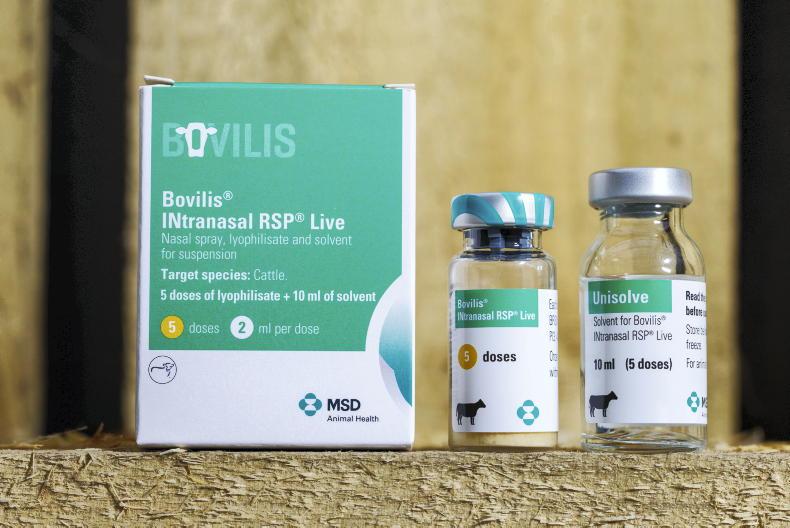
Bovilis INtranasal RSP Live, is a live intranasal vaccine for calves which can be administered from the day of birth. It reduces clinical signs and viral shedding from infection with RSV and PI3 within seven days.
Bovilis INtranasal RSP Live.
Once the calves arrive on Gareth’s farm and have settled, the next phase begins. The first dose of Bovilis Bovipast RSP is administered on Gareth’s farm at six weeks of age, followed by a second dose four weeks later at 10 weeks of age.
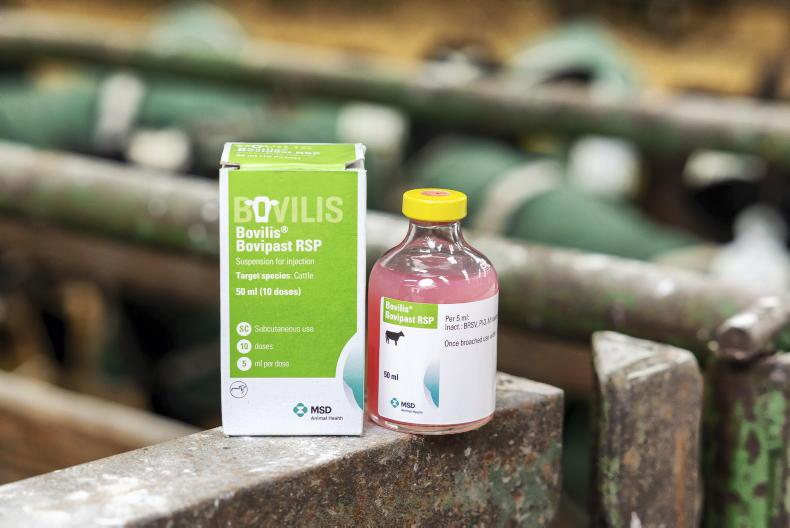
Bovilis Bovipast RSP is an inactivated vaccine for cattle that reduces infection associated with PI3 and reduces infection and clinical signs associated with RSV and Mannheimia haemolytica (serotypes A1 and A6). Calves can be vaccinated from approximately two weeks of age onwards and should receive a primary course of two doses, approximately four weeks apart.
Bovilis Bovipast RSP.
Gareth also administers a single booster dose of Bovilis Bovipast RSP two weeks before housing the following autumn, providing protection before the high risk housing period.
"Since we introduced this vaccination programme, we’ve had no outbreaks of pneumonia. We’ve reduced our antibiotic use, and our thrive, and performance has increased dramatically" said Gareth.
Economic consequences of pneumonia
A calf that becomes sick today incurs costs on several fronts, not only in treatments and veterinary care but also in calf thrive, extra labour, and reduced performance throughout that animal's life.
Research has demonstrated that calves with lung lesions from pneumonia, experience a 0.12 kg/day decrease in daily liveweight gain. That’s more than 40kg in a year. Compared with the expense of a pneumonia outbreak, a well-tailored vaccination programme is not an expense, it is an investment.
"After we implemented the vaccination protocol on Gareth’s farm, the calves have been very healthy, and we’ve had no outbreaks of respiratory disease in the last couple of years. Calves are all performing well, thriving well, and that adds to the profitability of Gareth’s enterprise" said Niall, Northwest Vets.
DairyBeef 500
The DairyBeef 500 programme has been a central pillar for many farmers, including Gareth. The programme aims to support farmers by providing expertise to improve profitability and sustainability.
“Getting the right calf is the foundation of a successful calf-to-beef system. You want a healthy animal with the genetic potential to perform every day on the farm,” said Tommy Cox, Gareth’s DairyBeef 500 advisor.
“We’re seeing pneumonia outbreaks on farms impacting performance considerably. The cost of treatment, the cost of mortality, but it’s the cost of poor animal performance. That’s the big problem when animals don’t reach their full potential.’’
Gareth’s advice
"The advice I’d give to other farmers is to contact their vet and put a vaccination programme in place. With the price of livestock and calves at the present moment, I do believe prevention is better than cure," said Gareth.
Speak to your veterinary practitioner to determine the most appropriate management and vaccination programme for your calves this spring.
This content is available to digital subscribers and loyalty code users only. Sign in to your account, use the code or subscribe to get unlimited access.
The reader loyalty code gives you full access to the site from when you enter it until the following Wednesday at 9pm. Find your unique code on the back page of Irish Country Living every week.
CODE ACCEPTED
You have full access to the site until next Wednesday at 9pm.
CODE NOT VALID
Please try again or contact support.
Gareth farms in Newtown Cunningham with his wife Enya and their three children. He purchases approximately 120 calves annually, the calves are sourced from three local dairy farms. It’s a system built on trust, and in recent years, it has been delivering results from the moment the calves arrive at the farm gate.
Sourcing from a small number of trusted farms reduces the risk of introducing disease, which is a key factor in managing health in bought-in calves, as Gareth knows only too well.
A few years ago, and before a proper vaccination programme was in place, he found out the hard way.
Issues that presented in the past
Three years ago, respiratory disease was a major issue with the calves. Despite treating animals as soon as possible, there were recurring cases. A more targeted approach was needed and Gareth contacted his vet, Niall McSharry of Northwest Vets to discuss.
"When we got the call about respiratory issues in Gareth’s calves, we carried out a full investigation and took nasal swabs. The result came back showing PI3 was the cause, and we implemented a vaccination protocol" Niall explained.
The vaccination programme
As calves are born on the source farms, Bovilis INtranasal RSP Live is administered on the day of birth and the calves are provided with good quality and quantity of colostrum. This ensures optimal passive transfer of immunity.
Bovilis INtranasal RSP Live, is a live intranasal vaccine for calves which can be administered from the day of birth. It reduces clinical signs and viral shedding from infection with RSV and PI3 within seven days.
Bovilis INtranasal RSP Live.
Once the calves arrive on Gareth’s farm and have settled, the next phase begins. The first dose of Bovilis Bovipast RSP is administered on Gareth’s farm at six weeks of age, followed by a second dose four weeks later at 10 weeks of age.
Bovilis Bovipast RSP is an inactivated vaccine for cattle that reduces infection associated with PI3 and reduces infection and clinical signs associated with RSV and Mannheimia haemolytica (serotypes A1 and A6). Calves can be vaccinated from approximately two weeks of age onwards and should receive a primary course of two doses, approximately four weeks apart.
Bovilis Bovipast RSP.
Gareth also administers a single booster dose of Bovilis Bovipast RSP two weeks before housing the following autumn, providing protection before the high risk housing period.
"Since we introduced this vaccination programme, we’ve had no outbreaks of pneumonia. We’ve reduced our antibiotic use, and our thrive, and performance has increased dramatically" said Gareth.
Economic consequences of pneumonia
A calf that becomes sick today incurs costs on several fronts, not only in treatments and veterinary care but also in calf thrive, extra labour, and reduced performance throughout that animal's life.
Research has demonstrated that calves with lung lesions from pneumonia, experience a 0.12 kg/day decrease in daily liveweight gain. That’s more than 40kg in a year. Compared with the expense of a pneumonia outbreak, a well-tailored vaccination programme is not an expense, it is an investment.
"After we implemented the vaccination protocol on Gareth’s farm, the calves have been very healthy, and we’ve had no outbreaks of respiratory disease in the last couple of years. Calves are all performing well, thriving well, and that adds to the profitability of Gareth’s enterprise" said Niall, Northwest Vets.
DairyBeef 500
The DairyBeef 500 programme has been a central pillar for many farmers, including Gareth. The programme aims to support farmers by providing expertise to improve profitability and sustainability.
“Getting the right calf is the foundation of a successful calf-to-beef system. You want a healthy animal with the genetic potential to perform every day on the farm,” said Tommy Cox, Gareth’s DairyBeef 500 advisor.
“We’re seeing pneumonia outbreaks on farms impacting performance considerably. The cost of treatment, the cost of mortality, but it’s the cost of poor animal performance. That’s the big problem when animals don’t reach their full potential.’’
Gareth’s advice
"The advice I’d give to other farmers is to contact their vet and put a vaccination programme in place. With the price of livestock and calves at the present moment, I do believe prevention is better than cure," said Gareth.
Speak to your veterinary practitioner to determine the most appropriate management and vaccination programme for your calves this spring.
If you would like to speak to a member of our team, please call us on 01-4199525.
Link sent to your email address
We have sent an email to your address. Please click on the link in this email to reset your password. If you can't find it in your inbox, please check your spam folder. If you can't find the email, please call us on 01-4199525.
ENTER YOUR LOYALTY CODE:
The reader loyalty code gives you full access to the site from when you enter it until the following Wednesday at 9pm. Find your unique code on the back page of Irish Country Living every week.






SHARING OPTIONS