



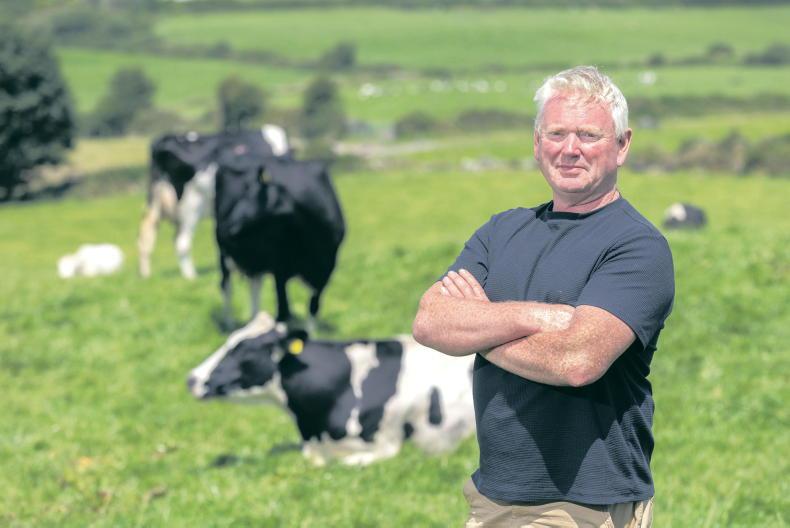

Farmers can use AgNav to develop farm-specific sustainability action plans to reduce on-farm emissions and improve water quality. Dairy farmer Pat O’Driscoll explains how he is using AgNav through his involvement in the Dairygold Grassroots Milk Supplier Sustainability Programme.
Pat O’Driscoll, dairy farmer
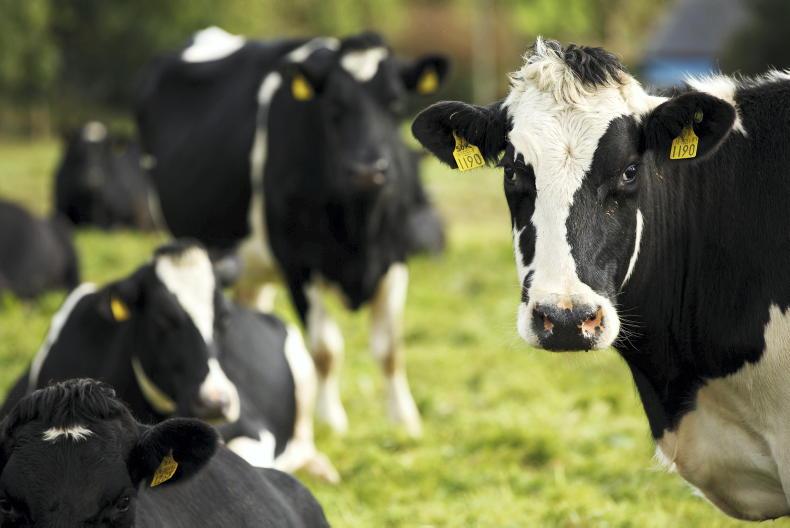
“We milk 120 Holstein Friesian cows with the help of my family. The herd is producing just over 600kg of milk solids. We inseminate the top 80% of the cows with Friesian sires and the rest will be done with beef, either Aberdeen Angus or Hereford. All the heifers are inseminated at the end of April, fixed time AI, using sexed semen.
“I am part of the Upper Lee Valley Discussion group, and we have paid a lot of attention to breeding and EBI, the use of protected urea and the use of slurry.
“I was first introduced to AgNav at a Dairygold meeting last November. I then had AgNav training with my Teagasc Signpost Climate Adviser, Anthony Dineen.
“I was really impressed by the level of detail on AgNav – it looks at the farm inputs and what’s leaving the farmgate to come up with a nutrient balance figure.
“Having access to our own AgNav data is a real step forward. Water quality has improved in Ireland, and I want to see this continue. Irish produce is valued around the world – and platforms like AgNav help us show the work we’re doing for the environment and climate.”
Nutrient balance
AgNav calculates nutrient balances for nitrogen and phosphorus. A nutrient balance is the difference between the nutrients coming onto the farm (eg feed, fertiliser) and the nutrients leaving the farm (in milk, crops or livestock). It shows whether the farm is using nutrients efficiently or if there may be a risk of nutrient loss. A high nutrient balance figure can indicate inefficiency and higher risk of water quality issues. A low or balanced figure suggests nutrients are being used efficiently and losses to water are minimised. It is recommend that AgNav’s nutrient balance figures are used alongside other resources, such as a Nutrient Management Plan and the EPA’s Pollution Impact Potential and Targeting Agricultural Measures maps.
Jeremiah Hurley, Dairygold Sustainability Adviser
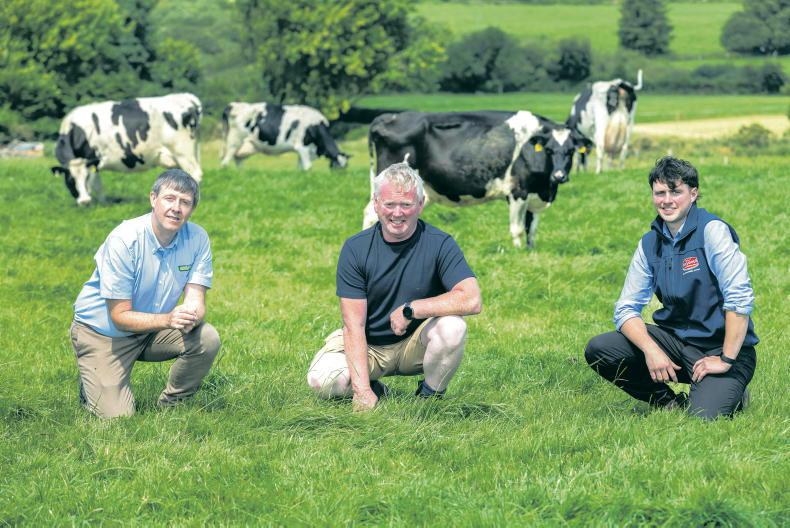
“My role in Dairygold is to support farmers in taking actions to improve water quality and reduce greenhouse gas emissions. Dairygold is focused on supporting our supplier farms to improve water quality and this year we introduced one-to-one AgNav training as part of the Grassroots programme.
“This involves the farmer meeting their local Teagasc Signpost Climate adviser to go through the PIP (pollution impact potential) maps of their farm, calculating their nutrient balance figure using AgNav and identifying actions that can be taken through the AgNav Farm Action Planner. So far, 99% of suppliers have completed the training.
“The nutrient balance figure is a key indicator for water quality on farms and is an important talking point with the farmer, as part of our Grassroots water quality farm visit. We assess where their nutrient balance figure is.
“If the figure is low then it highlights the good work the farmer is doing, but if the nutrient balance figure is high, we will identify actions that can help to reduce it.
“For example, by enhancing soil fertility, reseeding, application of sulphur and the effective use of slurry.
“This will help the farmer grow grass more efficiently, helping to reduce nitrogen (N) inputs.
“One of the most important factors is soil fertility. Getting soil fertility right is essential, for example by correcting soil pH, phosphorus (P) and potassium (K) levels.
“It’s the gateway to success for profitability and water quality.
I can also identify actions that are funded under the Farming for Water EIP.
“Farmers can choose from 43 different measures, which are fully funded by the EIP, to support to protect water quality.”
Get started
AgNav is available to all beef, dairy and tillage farmers through the AgNav website (www.agnav.ie). Additionally, all beef, dairy and tillage farmers can sign up for the free Teagasc Signpost Advisory Programme for support and guidance on using and implementing AgNav. Beef and dairy farmers can also join through an affiliated processor sustainability scheme.
Assess
AgNav shows an assessment of current farm performance using data from Bord Bia, ICBF, Teagasc and farmer-completed surveys.
For beef and dairy farms, animal and production data from ICBF, along with Bord Bia audit data, are automatically entered into AgNav, which removes the need for farmers to do it themselves.
Scientific models developed by Teagasc then use this data to calculate the individual farm’s performance under key sustainability metrics:
• Greenhouse gas (GHG) emissions.
• Ammonia emissions.
• Production.
• Nutrient balance.
• Soil carbon.
Soil carbon will only be calculated if a farmer chooses to complete an AgNav-hosted survey on their farm’s soils. If they do, AgNav will calculate how much carbon is captured in their soil and can adjust the farm’s GHG emissions accordingly.
Analyse
The AgNav Forecaster is a core feature of the AgNav platform and is currently available for dairy and beef enterprises. Farmers, or their advisers, can use the forecaster to analyse how changes in farming practices and management can impact each sustainability metric.
Act
Based on the forecaster analysis, beef and dairy farmers can identify which actions are most appropriate for their farm allowing them to create a personalised farm sustainability action plan. Farmers can choose actions to address water quality, gaseous farm emissions, and biodiversity.
Pat’s AgNav Actions
• Improve herd EBI.
• Reseeding 10% of the farm annually.
• Use of low emission slurry spreading (LESS).
• Use of protected urea.
• Spread slurry in spring and early summer.
• Enhance soil fertility.


SHARING OPTIONS