



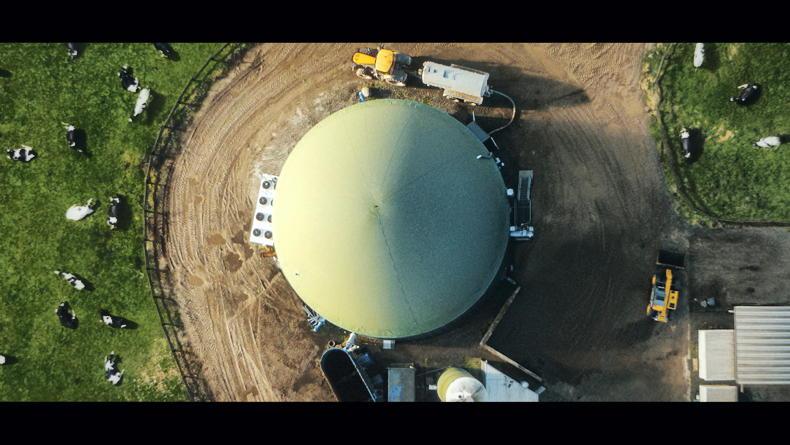
Biomethane and farming: a rural opportunity
With the growth of renewable energy, Irish farmers have an opportunity to play a vital role in powering Ireland’s clean energy future.
The emerging biomethane sector provides new opportunities for income, diversification and sustainable farming practices.
Gas Networks Ireland, which operates and manages Ireland’s gas network, has laid out a bold pathway to decarbonise the national gas network by 2045.
Central to this vision is biomethane, which the Government’s National Biomethane Strategy has targeted to deliver 5.7 terawatt-hours (TWh) of indigenous biomethane annually by 2030. That’s equivalent to powering half a million homes and most of the feedstock to fuel this new sector will largely come from Irish farms.
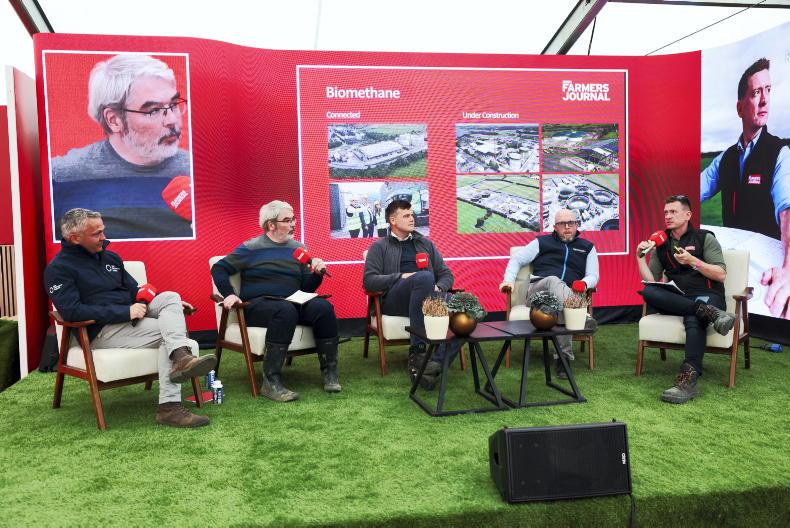
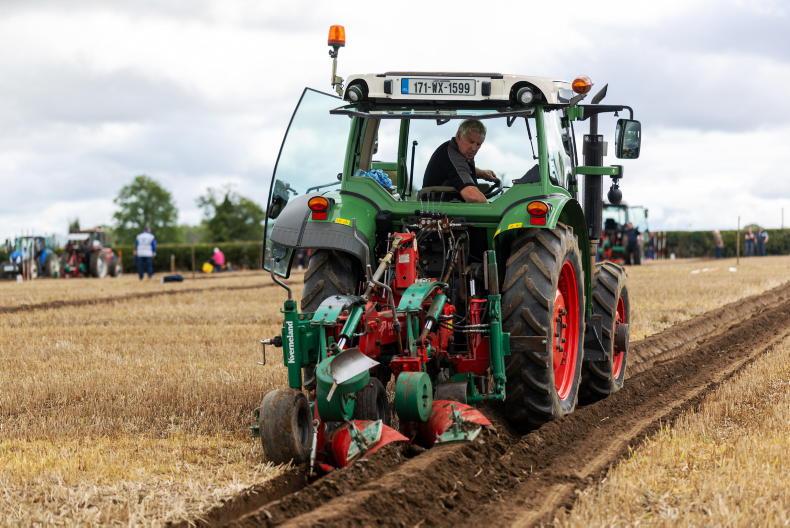
Farmers attending the National Ploughing Championships can hear more about the biomethane opportunity for Ireland by visiting Gas Networks Ireland’s stand (Stand 186, Row 8, Block 3).
Each morning of Ploughing at 11am, one of biomethane team will discuss 'The role of biomethane in Ireland’s journey towards net zero'.
Gas Networks Ireland’s stand will also bring the future of energy to life:
There is significant scope for biomethane production in Ireland. With the European Commission identifying Ireland as having the highest potential per capita to produce biomethane, it will also play a major role in Ireland and the EU’s commitment to becoming an energy-efficient, low carbon economy.
An indigenous biomethane industry would not only support the decarbonisation of the agricultural sector, but it would also provide significant opportunities for rural communities and facilitate sustainable circular economies.
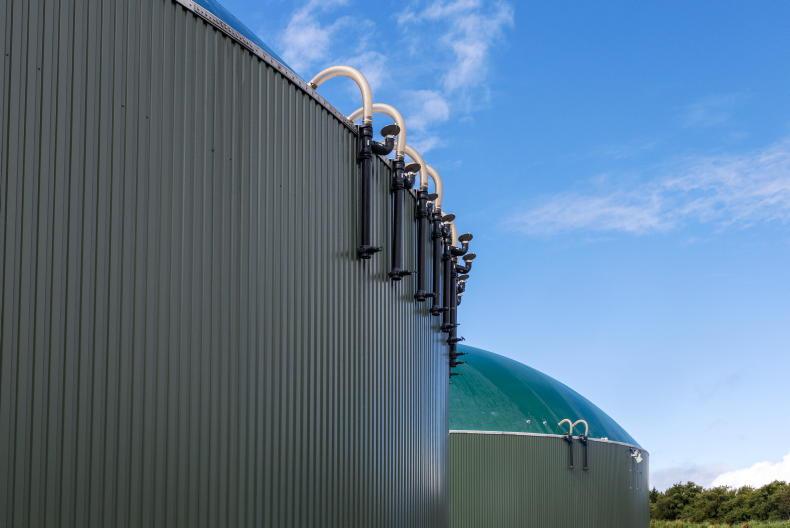
Biomethane is derived from agri-food and industrial waste produced via anaerobic digestion (AD) and can be used for injection into the gas network or liquefied to produce renewable fuel for road and maritime transport.
In addition, the AD process produces digestate, a nutrient-rich and renewable alternative to synthetic fertilisers that helps to improve soil health and reduce the carbon intensity of farms.
Structurally identical to natural gas, biomethane is a carbon-neutral renewable gas that can be made from farm and food waste through the AD process.
Gas Networks Ireland first introduced domestically produced biomethane on to Ireland’s gas network more than four years ago. Although the current volume is low, it is increasing and beginning to seamlessly replace natural gas and is fully compatible with existing appliances and technology.
Farmers at the heart of the transition
The success of the biomethane industry will depend on close collaboration between Gas Networks Ireland, the Government, energy suppliers, biomethane producers and farmers. Irish farmers are uniquely positioned to be suppliers of the organic materials needed for AD.
Slurry, silage and other agricultural matter are abundant across Ireland’s farmland and when put through AD plants, they can be transformed into renewable gas, providing farmers with a number of potential benefits including:
Anaerobic digestion is already well established across Europe, with farmers in countries such as Denmark, France, Italy and Germany leading the way. Ireland now has the opportunity to build a similar success story, one that supports both farm incomes and national climate goals.
The first half of 2025 has seen significant steps forward in building the foundations of Ireland’s biomethane sector as the Government implements the National Biomethane Strategy. These include new industry partnerships, European co-operation, Government legislation and infrastructure investments.
Strengthening biomethane partnerships
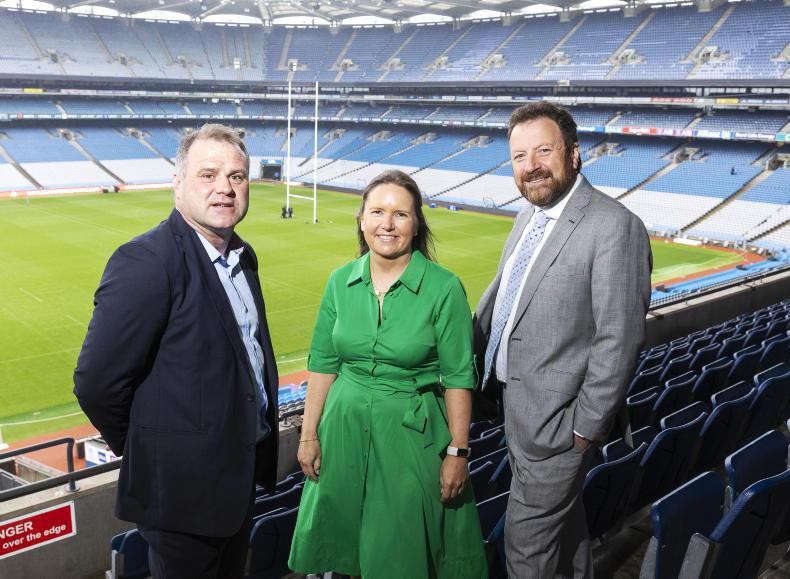
In July 2025, Gas Networks Ireland announced a memorandum of understanding with CycleØ, a leading builder and operator of biogas plants.
This agreement will support the connection of CycleØ’s biomethane facilities to Ireland’s gas network.
Partnerships like this are crucial to delivering the Government’s 2030 targets of 5.7TWh and to ensuring the gas system can accommodate growing volumes of renewable energy.
Collaborating with National Gas
In June 2025, a separate memorandum of understanding was signed with National Gas in the UK.
This agreement will see closer co-operation on renewable gases including biomethane, hydrogen and blended solutions. For Irish farmers, this highlights the importance of regional collaboration in scaling up new technologies and ensuring a secure energy supply.
Driving innovation through research

The launch of the €2.7m Research Ireland Gas Networks Ireland Innovation Challenge has invited multidisciplinary teams to develop technologies in renewable gas, energy integration and artificial intelligence.
With funding of up to €200,000 for successful projects and a €1m prize for the most impactful breakthrough, this initiative will help accelerate high-potential research that directly supports Ireland’s climate and energy goals.
Advancing the European agenda
At European level, Gas Networks Ireland has been active in highlighting the potential of biomethane.
A Gas Infrastructure Europe study launched in Brussels this year showed that existing EU gas infrastructure could carry up to 101 billion cubic metres of biomethane by 2040. Ireland’s participation in this debate reinforces the country’s role in Europe’s transition to sustainable energy.
Connecting biomethane producers to the grid
As the Irish biomethane industry gains momentum, Gas Networks Ireland is progressing five direct biomethane connections, with three due to be commissioned before the end of the year.
Perhaps the most significant development of 2025 for farmers is the Government’s approval of the Renewable Heat Obligation (RHO) bill, due to come into effect in 2026.
The RHO requires heating energy suppliers to incorporate renewable sources including biomethane into their energy mix.
For the farming sector, the RHO provides a new market certainty that can underpin investment in anaerobic digestion and biomethane production. It also means new income opportunities for farmers who can supply feedstock into the system.
Driving growth in the biomethane sector
The RHO is designed to support the delivery of the 2030 biomethane target by creating clear demand for renewable gas. By facilitating biomethane injection into Ireland’s gas network, rural economies will be strengthened, jobs created and farmers supported in diversifying into sustainable feedstocks.
The RHO will also support some of Ireland’s largest industries, which are heavily dependent on gas for heating and processes by making it easier for them to transition to renewable gas.
Advancing decarbonisation of the gas network
Ireland’s heat sector accounts for around 37% of national energy related emissions.
By starting with a 1.5% obligation in year one and rising to 3% in year two, the RHO will boost the share of energy in heating.
This positions Ireland’s gas network as a central player in achieving the national climate target of a 51% emissions reduction by 2030.
Enhancing energy security
By prioritising domestic biomethane the RHO reduces reliance on imported energy, strengthening Ireland’s energy security and shielding the economy from volatile international markets.
Delivering renewable infrastructure
To make the most of this opportunity, investment in infrastructure is essential. A key development is the €32m Central Grid Injection (CGI) facility in Mitchelstown, Co Cork, currently under construction by Gas Networks Ireland.
This facility will allow biomethane from production sites that are not directly connected to the gas network to be injected via road transport.
Once operational, the CGI facility will have the capacity to inject 700GWh of renewable gas annually, contributing around 12% of the Government’s 2030 biomethane target. It will also reduce national CO2 emissions by an estimated 130,000 tonnes per year.
Gas Networks Ireland has carried out a number of market engagement and market testing exercises.
Last year, the company issued a request for expressions of interest (EOI) to supply biomethane to the new CGI facility in Mitchelstown, which drew interest from 22 prospective biomethane producers.
The combined potential production capacity from these 22 producers is 1,862GWh per year - equivalent to powering 217,000 homes - highlighting the significant potential of the Irish biomethane sector to support the country's energy transition.
The EOI results build on the momentum generated by the market testing request for information (RFI) issued by Gas Networks Ireland in October 2022.
The Biomethane Energy Report, published in September 2023, identified 176 projects across Ireland with the potential to produce 14.8TWh of biomethane per annum, equivalent to 26% of Ireland's current gas demand.
These findings, coupled with the EOI responses, underscore the feasibility of the Government's biomethane production target and the critical role that the sector will play in Ireland's energy transition.
Biomethane represents a new chapter for rural Ireland. With the right mix of Government policy, infrastructure and farmer participation, it can deliver real and lasting benefits.
Gas Networks Ireland is committed to working hand in hand with farmers and rural communities to develop this new industry.
With collaboration at its core, biomethane has the potential to become a cornerstone of Ireland’s clean energy system - and to ensure that Irish farmers are at the very heart of the journey towards net zero.
Visit our website to learn more about how Gas Networks Ireland is working to gradually replacing natural gas with renewable biomethane and deliver a net-zero carbon gas network by 2045. www.gasnetworks.ie/biomethane.
LinkedIn: https://www.linkedin.com/company/gas-networks-ireland
Facebook: https://www.facebook.com/GasNetworksIreland/
Twitter: https://x.com/GasNetIRL


SHARING OPTIONS