Farmers can use AgNav to develop farm-specific sustainability action plans to reduce on-farm emissions and improve water quality.
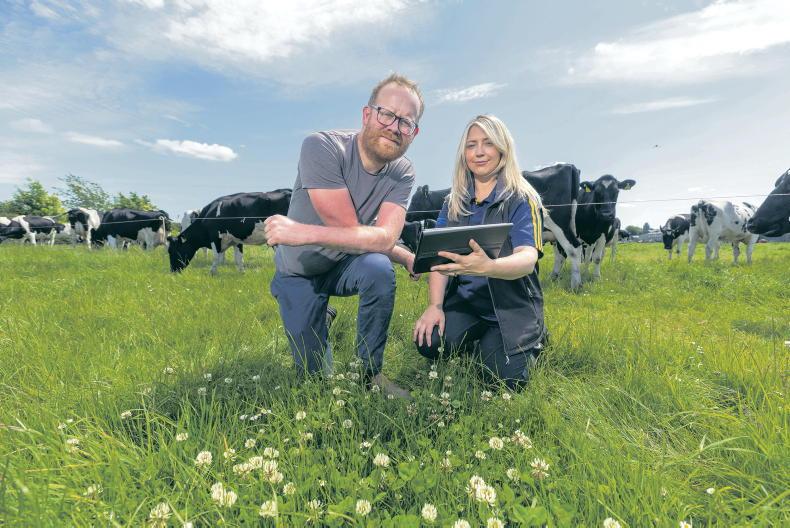
Dairy farmers Katie and Phil Gleeson explain how they have used AgNav on their farm, supported by their Teagasc Signpost Climate Adviser, Padraig Fogarty.
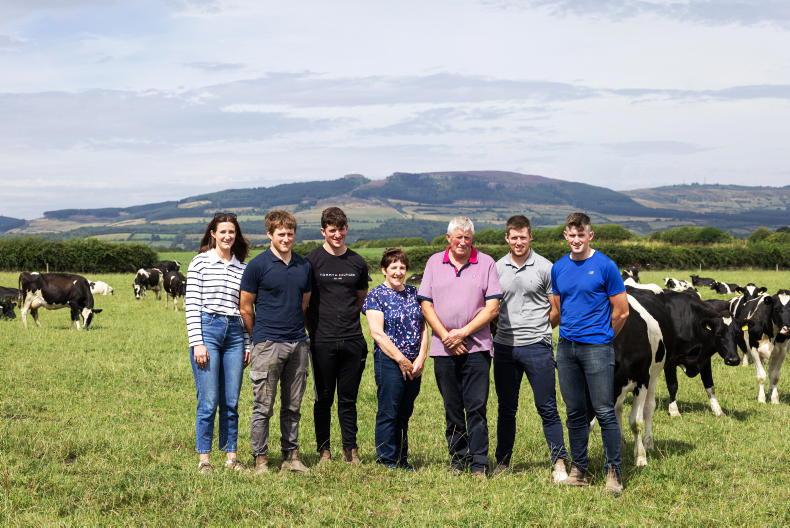
Katie and Phil Gleeson, Templemore, Co Tipperary
“We’re a spring-calving herd here – we’re running about 100 cows every spring. We graze from early February and hopefully keep them out until mid-November. It’s a family-run farm – no staff, just the three of us keeping things going [Phil, Katie, and Phil’s dad].
“In farming now sustainability is the name of the game, and we wanted to incorporate sustainable actions into our farm to make it more productive and to help the environment.
“We first heard about AgNav through Teagasc and again at our local discussion group. It’s great to have a platform that pulls together all the existing data – from Bord Bia, ICBF – and gives you a clear picture of what’s happening on your farm. If it’s measured, it’s managed and we can figure out how to reduce emissions further as we go about our everyday actions.
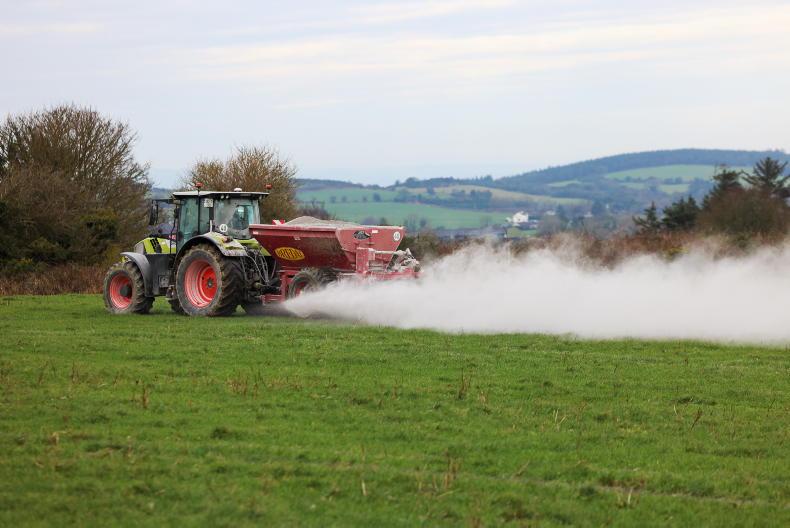
“We’ve already made some big changes. We’ve completely moved away from CAN and now use 100% protected urea. All of our slurry is spread using LESS equipment and we make sure to get most of it – around 75% – out in the spring, when it’s more effective.
“We’re also incorporating clover into our re-seeds, so that reduced our fertiliser use. We are trying to minimise chemical fertiliser and maximise the use of organic N.
“Since switching to protected urea, we’ve already seen a drop in our carbon footprint. It’s been the most noticeable impact so far.
“One thing we’re really focusing on now is herd genetics. We’re using sexed semen on our best cows to improve milk solids and yield, and we’re being very selective with the bulls we use. Through the EBI section in the AgNav Forecaster, we can actually see the improvements we’re making – not just in performance, but in our carbon footprint too. Genetics has a huge role to play, and now we can measure the difference it makes.
It’s great to have a platform that gives you a clear picture of what’s happening on your farm
“We’ll keep using Agnav to guide what we’re doing. It simplifies things. It’s giving farmers an idea of where they are and what their options are. You can build a clear action plan with real targets.
“For us, it’s about doing what’s right for the farm now – and what’s right for the future.”
Padraig Fogarty, Signpost Climate Adviser

Padraig Fogarty, Signpost Climate Adviser.
“I’m a Teagasc Signpost Climate Adviser based in North Tipperary.
“I help farmers introduce actions and measures that can reduce their carbon footprint, but also increase their profitability. The most common actions taken on-farm are the use of protected urea, building soil fertility, incorporating clover and improving herd genetics. However, it’s not one size fits all, different actions are suited to different farms.
“A lot of the measures and actions we talk about are designed with both the environment and the bottom line in mind. That’s the carrot when it comes to adopting new technologies.
“A big part of what I do is introducing farmers to AgNav. I use AgNav to show them the carbon emission figures for their farm and I get them comfortable with using the platform.
“What a lot of farmers appreciate is that AgNav lets them see the impact of their actions. When they log in, they can view how different measures would reduce their total emissions. Seeing those figures, combined with the financial benefits, encourages farmers to implement changes.”
Assess
AgNav shows an assessment of current farm performance using data from Bord Bia, ICBF, Teagasc and farmer-completed surveys. For beef and dairy farms, animal and production data from ICBF, along with Bord Bia audit data, are automatically entered into AgNav, which removes the need for farmers to do it themselves. Scientific models developed by Teagasc then uses this data to calculate the individual farm’s performance under key sustainability metrics:
Greenhouse gas (GHG) emissions.Ammonia emissions.Production. Nutrient balance.Soil carbon. Soil carbon will only be calculated if a farmer chooses to complete an AgNav-hosted survey on their farm’s soils. If they do, AgNav will calculate how much carbon is captured in their soil and can adjust the farm’s GHG emissions accordingly.
Get started
AgNav is available to all beef, dairy and tillage farmers through the AgNav website (www.agnav.ie). Additionally, all beef, dairy and tillage farmers can sign up for the free Teagasc Signpost Advisory Programme for support and guidance on using and implementing AgNav. Beef and dairy farmers can also join through an affiliated processor sustainability scheme.
Analyse
The AgNav Forecaster is a core feature of the AgNav platform and is currently available for dairy and beef enterprises. Farmers, or their advisers, can use the forecaster to analyse how changes in farming practices and management can impact each sustainability metric.
Act
Based on the forecaster analysis, beef and dairy farmers can identify which actions are most appropriate for their farm, allowing them to create a personalised farm sustainability action plan. Farmers can choose actions to address water quality, gaseous farm emissions and biodiversity.

Farmers can use AgNav to develop farm-specific sustainability action plans to reduce on-farm emissions and improve water quality.
Dairy farmers Katie and Phil Gleeson explain how they have used AgNav on their farm, supported by their Teagasc Signpost Climate Adviser, Padraig Fogarty.
Katie and Phil Gleeson, Templemore, Co Tipperary
“We’re a spring-calving herd here – we’re running about 100 cows every spring. We graze from early February and hopefully keep them out until mid-November. It’s a family-run farm – no staff, just the three of us keeping things going [Phil, Katie, and Phil’s dad].
“In farming now sustainability is the name of the game, and we wanted to incorporate sustainable actions into our farm to make it more productive and to help the environment.
“We first heard about AgNav through Teagasc and again at our local discussion group. It’s great to have a platform that pulls together all the existing data – from Bord Bia, ICBF – and gives you a clear picture of what’s happening on your farm. If it’s measured, it’s managed and we can figure out how to reduce emissions further as we go about our everyday actions.
“We’ve already made some big changes. We’ve completely moved away from CAN and now use 100% protected urea. All of our slurry is spread using LESS equipment and we make sure to get most of it – around 75% – out in the spring, when it’s more effective.
“We’re also incorporating clover into our re-seeds, so that reduced our fertiliser use. We are trying to minimise chemical fertiliser and maximise the use of organic N.
“Since switching to protected urea, we’ve already seen a drop in our carbon footprint. It’s been the most noticeable impact so far.
“One thing we’re really focusing on now is herd genetics. We’re using sexed semen on our best cows to improve milk solids and yield, and we’re being very selective with the bulls we use. Through the EBI section in the AgNav Forecaster, we can actually see the improvements we’re making – not just in performance, but in our carbon footprint too. Genetics has a huge role to play, and now we can measure the difference it makes.
It’s great to have a platform that gives you a clear picture of what’s happening on your farm
“We’ll keep using Agnav to guide what we’re doing. It simplifies things. It’s giving farmers an idea of where they are and what their options are. You can build a clear action plan with real targets.
“For us, it’s about doing what’s right for the farm now – and what’s right for the future.”
Padraig Fogarty, Signpost Climate Adviser

Padraig Fogarty, Signpost Climate Adviser.
“I’m a Teagasc Signpost Climate Adviser based in North Tipperary.
“I help farmers introduce actions and measures that can reduce their carbon footprint, but also increase their profitability. The most common actions taken on-farm are the use of protected urea, building soil fertility, incorporating clover and improving herd genetics. However, it’s not one size fits all, different actions are suited to different farms.
“A lot of the measures and actions we talk about are designed with both the environment and the bottom line in mind. That’s the carrot when it comes to adopting new technologies.
“A big part of what I do is introducing farmers to AgNav. I use AgNav to show them the carbon emission figures for their farm and I get them comfortable with using the platform.
“What a lot of farmers appreciate is that AgNav lets them see the impact of their actions. When they log in, they can view how different measures would reduce their total emissions. Seeing those figures, combined with the financial benefits, encourages farmers to implement changes.”
Assess
AgNav shows an assessment of current farm performance using data from Bord Bia, ICBF, Teagasc and farmer-completed surveys. For beef and dairy farms, animal and production data from ICBF, along with Bord Bia audit data, are automatically entered into AgNav, which removes the need for farmers to do it themselves. Scientific models developed by Teagasc then uses this data to calculate the individual farm’s performance under key sustainability metrics:
Greenhouse gas (GHG) emissions.Ammonia emissions.Production. Nutrient balance.Soil carbon. Soil carbon will only be calculated if a farmer chooses to complete an AgNav-hosted survey on their farm’s soils. If they do, AgNav will calculate how much carbon is captured in their soil and can adjust the farm’s GHG emissions accordingly.
Get started
AgNav is available to all beef, dairy and tillage farmers through the AgNav website (www.agnav.ie). Additionally, all beef, dairy and tillage farmers can sign up for the free Teagasc Signpost Advisory Programme for support and guidance on using and implementing AgNav. Beef and dairy farmers can also join through an affiliated processor sustainability scheme.
Analyse
The AgNav Forecaster is a core feature of the AgNav platform and is currently available for dairy and beef enterprises. Farmers, or their advisers, can use the forecaster to analyse how changes in farming practices and management can impact each sustainability metric.
Act
Based on the forecaster analysis, beef and dairy farmers can identify which actions are most appropriate for their farm, allowing them to create a personalised farm sustainability action plan. Farmers can choose actions to address water quality, gaseous farm emissions and biodiversity.
SHARING OPTIONS