“Most farmers know that there is a need to change the way we worm cattle, but there is still confusion about some of the terminology used and how best to start,” explains Norbrook technical adviser Maura Langan.
Vets often refer to two approaches. ‘Strategic’ worming anticipates weather conditions, the parasite lifecycle and grazing management in order to limit egg contamination of pastures and the subsequent risk to cattle. ‘Tactical’ (or ‘targeted’) worming treats cattle that display clinical signs, fail to meet expected growth rates or as a result of a faecal egg sample.
“In reality, most farms will adopt a combination of both strategic and tactical, depending on farm history, grazing pressures and the management groups being treated. This is why it’s so important to get professional help from your vet that is tailored to your farm,” advises Maura.
“Treating with the right product is absolutely essential to this process.”
The tactical choice
Levamisole, sometimes known as yellow drench, has a broad spectrum of anthelmintic activity against mature and developing immature stages of gastrointestinal worms and lungworm in cattle and sheep.
Levacide Low-Volume contains 75mg/ml levamisole and can play a useful role in devising season-long parasite control management strategies for different management groups.
Young stock at grass are completely naive to gut and lungworm infections. As they graze, they are exposed to both gut and lungworm, acquiring low level burdens.
The rate at which immunity develops is dependent on the level of exposure to infective larvae. By the second grazing season, they will have acquired some immunity and will be better able to tolerate a low worm burden.
“Achieving a balance between allowing enough exposure to stimulate protective immunity, but not so much as to cause pathogenic burdens of worms, is critical to sustainable worm control,” adds Maura.
“However, if calves are over-protected in their first grazing season, as may occur following the use or repeated use of persistent wormers, they may fail to develop sufficient immunity to give necessary protection through their adult life.”
Levamisole has no persistency, so may be a suitable initial grazing treatment or primer dose that allows immunity to develop following exposure to gut worms early in the season.
Levacide Low-Volume can be prescribed before or after other wormer classes throughout the season to provide effective and responsible parasite control strategies that balance immunity, treatment and persistency where appropriate.
Effective lungworm treatment
Lungworm infection in growing cattle can develop quickly and incur significant production losses.
The risk from lungworm depends on pasture contamination, previous exposure, immunity and whether cattle have been vaccinated. Lungworm causes coughing and laboured breathing and, if left untreated, can result in death or long-term debility.
“It’s important to monitor regularly for lungworm, be vigilant for the first signs of coughing and dose the whole management group at the first sign of infection,” warns Maura.
“Levacide Low-Volume is a particularly effective treatment for lungworm due to its unique mode of action. Because Levamisole causes spastic paralysis of susceptible worms, cattle find it easier to cough the worms up after treatment.”
A useful alternative
Over-reliance on a few active ingredients can encourage the build-up of resistant worms. Rotating products is one of many ways that farmers can reduce the pressure.
“There is a risk that the repeated, frequent use of one product or active ingredient, especially if there is under-dosing involved, can lead to anthelmintic resistance. Where there are limited choices available to farmers, this can be a challenge,” explains Maura.
“Because of product licence restriction and milk withdrawals, dairy cows rely heavily on the benzimidazole and macrocyclic lactone anthelmintic classes. Levamisole is not suitable for use in dairy cows, but may be a useful alternative wormer for dairy youngstock or heifers," she concludes.
More information
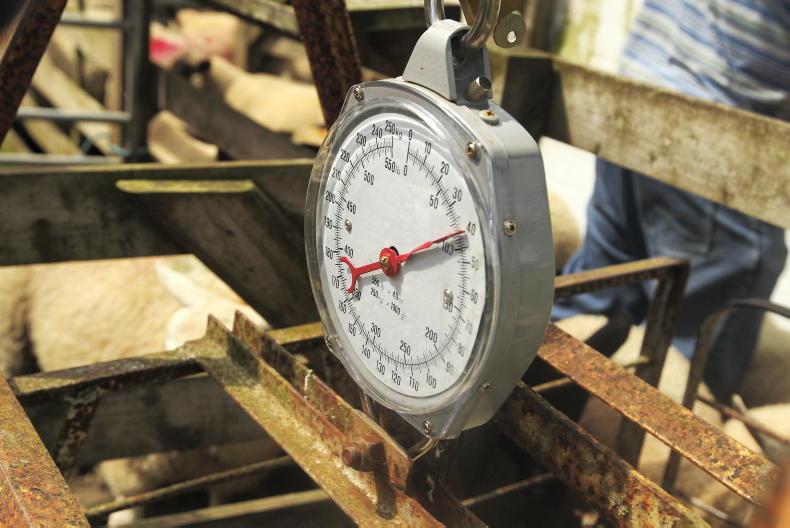
Levacide Low-Volume contains 75mg/ml levamisole and is recommended for use in cattle and sheep at a dosage rate of 1ml per 10kg. Always determine bodyweight as accurately as possible in order to avoid under or overdosing.
If animals are to be treated collectively rather than individually, they should be grouped according to their bodyweight and treated accordingly with properly calibrated dosing equipment. Always seek advice from your vet about the use of medicines appropriate to your farm.
Visit www.norbrook.com for more information.
Right time, right product, right animal
There are three classes of anthelmintics licensed for the treatment of stomach and lungworm in cattle in Ireland: benzimidazoles (white), imidazothiazole (yellow), macrocyclic lactones (clear).
Levamisole is the only member of the imidazothiazole group of anthelmintics licensed in Ireland and offers an alternative to benzimidazoles and macrocyclic lactones.
Alternative options are important, given that a number of Irish studies are showing evidence of resistance among the main species of cattle gut worms. Where anthelmintic resistance is suspected, your vet will be able to test for effectiveness and prescribe alternative treatments.
There are many risk factors for anthelmintic resistance. The best way of limiting selection pressure on worm populations is to avoid treating cattle unnecessarily and to always ensure the correct drug and dose is used.
It is important to understand that each of the wormer classes has different characteristics and that will influence whether they are the right choice for your farm.
“Most farmers know that there is a need to change the way we worm cattle, but there is still confusion about some of the terminology used and how best to start,” explains Norbrook technical adviser Maura Langan.
Vets often refer to two approaches. ‘Strategic’ worming anticipates weather conditions, the parasite lifecycle and grazing management in order to limit egg contamination of pastures and the subsequent risk to cattle. ‘Tactical’ (or ‘targeted’) worming treats cattle that display clinical signs, fail to meet expected growth rates or as a result of a faecal egg sample.
“In reality, most farms will adopt a combination of both strategic and tactical, depending on farm history, grazing pressures and the management groups being treated. This is why it’s so important to get professional help from your vet that is tailored to your farm,” advises Maura.
“Treating with the right product is absolutely essential to this process.”
The tactical choice
Levamisole, sometimes known as yellow drench, has a broad spectrum of anthelmintic activity against mature and developing immature stages of gastrointestinal worms and lungworm in cattle and sheep.
Levacide Low-Volume contains 75mg/ml levamisole and can play a useful role in devising season-long parasite control management strategies for different management groups.
Young stock at grass are completely naive to gut and lungworm infections. As they graze, they are exposed to both gut and lungworm, acquiring low level burdens.
The rate at which immunity develops is dependent on the level of exposure to infective larvae. By the second grazing season, they will have acquired some immunity and will be better able to tolerate a low worm burden.
“Achieving a balance between allowing enough exposure to stimulate protective immunity, but not so much as to cause pathogenic burdens of worms, is critical to sustainable worm control,” adds Maura.
“However, if calves are over-protected in their first grazing season, as may occur following the use or repeated use of persistent wormers, they may fail to develop sufficient immunity to give necessary protection through their adult life.”
Levamisole has no persistency, so may be a suitable initial grazing treatment or primer dose that allows immunity to develop following exposure to gut worms early in the season.
Levacide Low-Volume can be prescribed before or after other wormer classes throughout the season to provide effective and responsible parasite control strategies that balance immunity, treatment and persistency where appropriate.
Effective lungworm treatment
Lungworm infection in growing cattle can develop quickly and incur significant production losses.
The risk from lungworm depends on pasture contamination, previous exposure, immunity and whether cattle have been vaccinated. Lungworm causes coughing and laboured breathing and, if left untreated, can result in death or long-term debility.
“It’s important to monitor regularly for lungworm, be vigilant for the first signs of coughing and dose the whole management group at the first sign of infection,” warns Maura.
“Levacide Low-Volume is a particularly effective treatment for lungworm due to its unique mode of action. Because Levamisole causes spastic paralysis of susceptible worms, cattle find it easier to cough the worms up after treatment.”
A useful alternative
Over-reliance on a few active ingredients can encourage the build-up of resistant worms. Rotating products is one of many ways that farmers can reduce the pressure.
“There is a risk that the repeated, frequent use of one product or active ingredient, especially if there is under-dosing involved, can lead to anthelmintic resistance. Where there are limited choices available to farmers, this can be a challenge,” explains Maura.
“Because of product licence restriction and milk withdrawals, dairy cows rely heavily on the benzimidazole and macrocyclic lactone anthelmintic classes. Levamisole is not suitable for use in dairy cows, but may be a useful alternative wormer for dairy youngstock or heifers," she concludes.
More information
Levacide Low-Volume contains 75mg/ml levamisole and is recommended for use in cattle and sheep at a dosage rate of 1ml per 10kg. Always determine bodyweight as accurately as possible in order to avoid under or overdosing.
If animals are to be treated collectively rather than individually, they should be grouped according to their bodyweight and treated accordingly with properly calibrated dosing equipment. Always seek advice from your vet about the use of medicines appropriate to your farm.
Visit www.norbrook.com for more information.
Right time, right product, right animal
There are three classes of anthelmintics licensed for the treatment of stomach and lungworm in cattle in Ireland: benzimidazoles (white), imidazothiazole (yellow), macrocyclic lactones (clear).
Levamisole is the only member of the imidazothiazole group of anthelmintics licensed in Ireland and offers an alternative to benzimidazoles and macrocyclic lactones.
Alternative options are important, given that a number of Irish studies are showing evidence of resistance among the main species of cattle gut worms. Where anthelmintic resistance is suspected, your vet will be able to test for effectiveness and prescribe alternative treatments.
There are many risk factors for anthelmintic resistance. The best way of limiting selection pressure on worm populations is to avoid treating cattle unnecessarily and to always ensure the correct drug and dose is used.
It is important to understand that each of the wormer classes has different characteristics and that will influence whether they are the right choice for your farm.









SHARING OPTIONS