The rain over the last 10 days has resulted in a deterioration in grazing conditions.
In certain areas, the rain has led to some cattle being rehoused.
Up to this point, most farmers were very happy with graze-outs and utilisation.
Increased growth over the last week has led to higher pre-grazing covers, which, combined with high levels of rainfall, is resulting in poorer graze-outs.
Grassland management course
During our Irish Farmers Journal grassland management course meetings this week, it was very clear that many farms are heading into a grass surplus.
For those who have given the last three weeks to a month supplementing with concentrates and silage in order to reduce demand, it’s now very important to get back on track.
Increase demand in line with growth in order to reduce the levels of supplementation, which comes at a high cost.

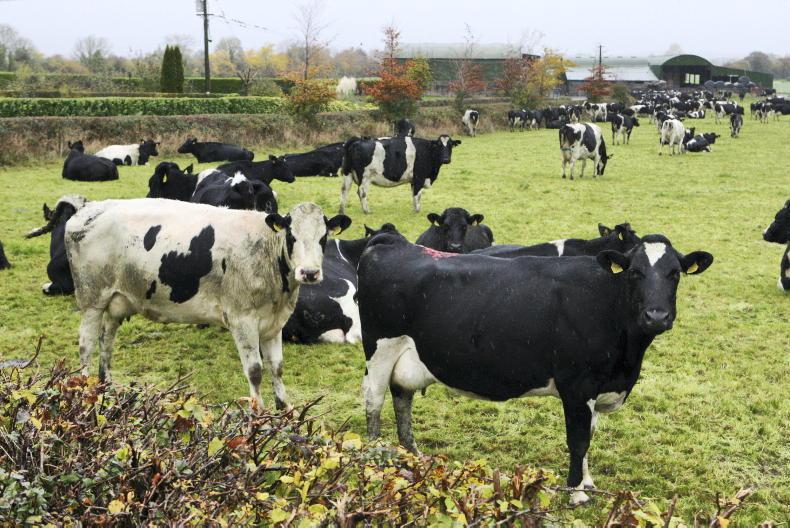
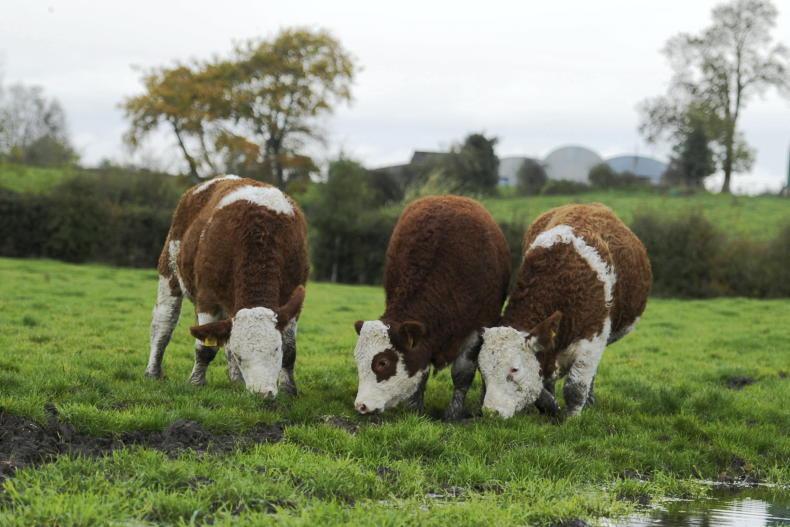
Dairy cows grazing in the rain near Calliaghstown, Co Meath. \ Ramona Farrelly
On dairy farms, you should be targeting a cover per livestock unit (C/LU) of between 160kg and 180kg DM/LU.
Where C/LU is 200-plus, it is time to have a look at any paddocks higher than 1,700kg DM/ha and remove surplus bales as soon as the weather allows.
Beef farms
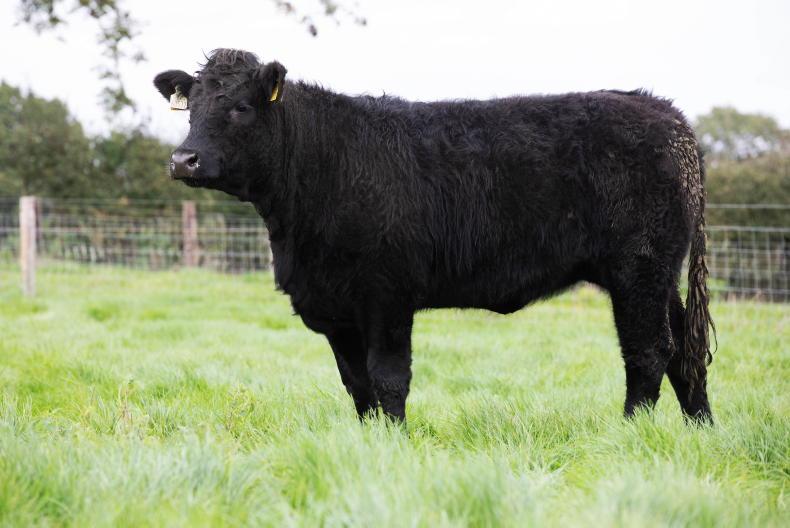
On beef farms, the number of days ahead will highlight whether there is surplus grass building on the farm. Target 12 to 14 days ahead.
Walking the farm every five days will help identify surpluses and allow you to react quickly in order to keep quality grass in the diet.
The forecast from the middle of next week does show a good improvement, with less rain and higher temperatures.
This will lead to a further increase in growth rates and hopefully an opportunity for some to get first-cut silage done.
The rain over the last 10 days has resulted in a deterioration in grazing conditions.
In certain areas, the rain has led to some cattle being rehoused.
Up to this point, most farmers were very happy with graze-outs and utilisation.
Increased growth over the last week has led to higher pre-grazing covers, which, combined with high levels of rainfall, is resulting in poorer graze-outs.
Grassland management course
During our Irish Farmers Journal grassland management course meetings this week, it was very clear that many farms are heading into a grass surplus.
For those who have given the last three weeks to a month supplementing with concentrates and silage in order to reduce demand, it’s now very important to get back on track.
Increase demand in line with growth in order to reduce the levels of supplementation, which comes at a high cost.
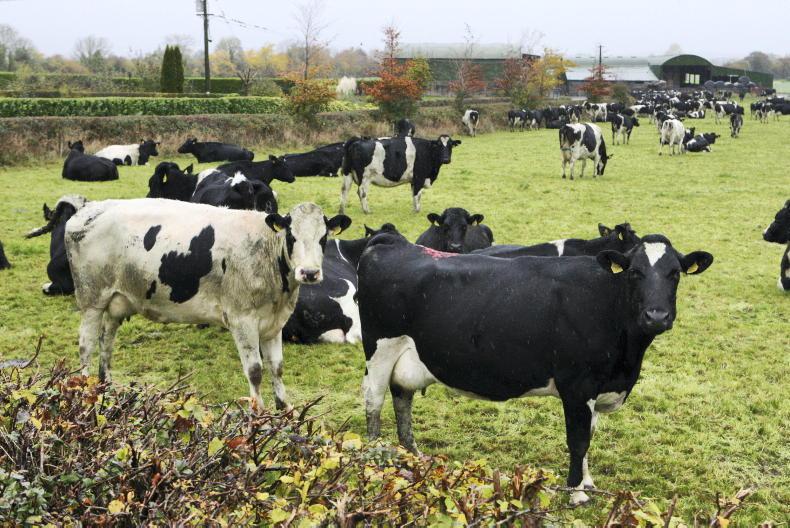
Dairy cows grazing in the rain near Calliaghstown, Co Meath. \ Ramona Farrelly
On dairy farms, you should be targeting a cover per livestock unit (C/LU) of between 160kg and 180kg DM/LU.
Where C/LU is 200-plus, it is time to have a look at any paddocks higher than 1,700kg DM/ha and remove surplus bales as soon as the weather allows.
Beef farms
On beef farms, the number of days ahead will highlight whether there is surplus grass building on the farm. Target 12 to 14 days ahead.
Walking the farm every five days will help identify surpluses and allow you to react quickly in order to keep quality grass in the diet.
The forecast from the middle of next week does show a good improvement, with less rain and higher temperatures.
This will lead to a further increase in growth rates and hopefully an opportunity for some to get first-cut silage done.







SHARING OPTIONS