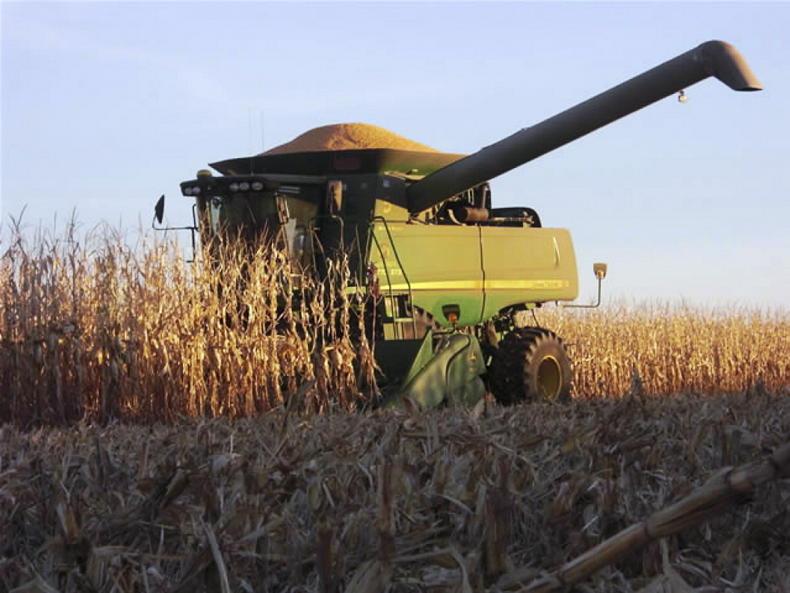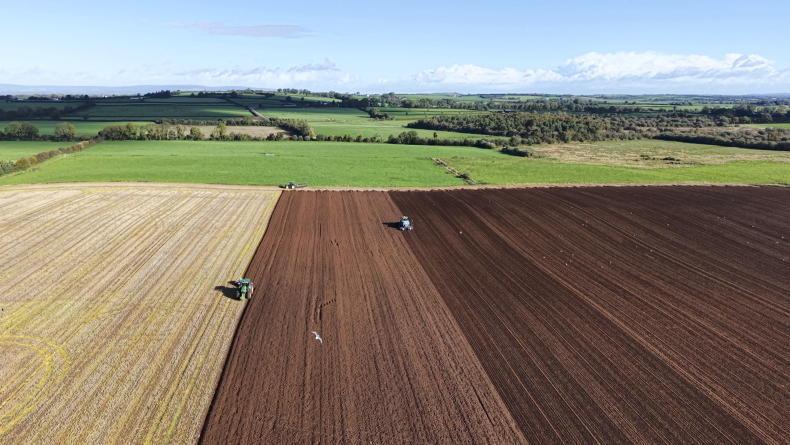
Harvest: A nice bit of spring barley is likely to come ripe in the coming days with a good amount cut already. Some crops have dried in, but have still been hard to ripen. Watch out for varieties with poor straw profiles as crops could start to breakdown.
A lot of oilseed rape is now harvested, winter wheat is a good bit of the way through, but in contrast to other crops farmers have had to wait for moisture contents to come down on winter wheat.
Rye is harvested in many places, but there is a good bit to be harvested still too.
Beans: Beans look a sorry sight in many areas. The dry weather has really not done them any good. Expect an early harvest, but know that they look yellow and are falling over on many farms across the country so you’re not the only one.
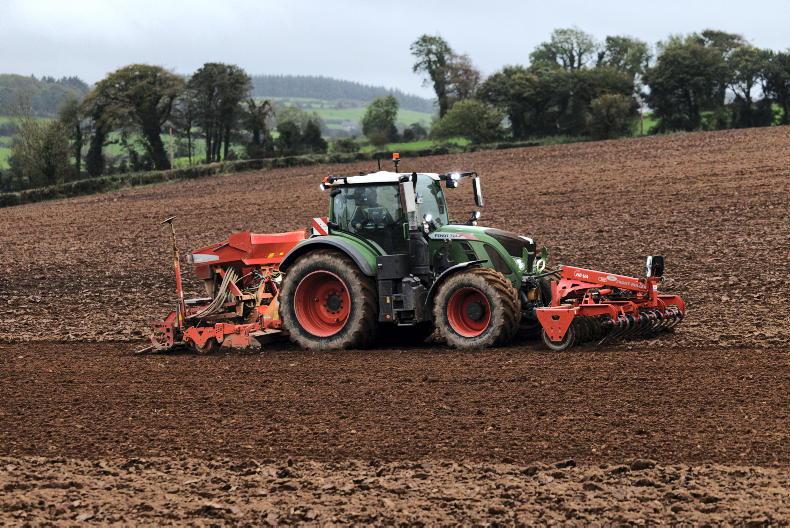
Weed control: Where you have grass weed issues you need to be putting a plan in place to reduce down the numbers. Stale seedbeds should be used when the weather allows for stubble cultivation.
Allow the seeds to germinate and spray them off once there is enough leaf there.
While there are no rules around stubble cultivation this year you do need to create a green cover on land being left over winter, so if you need to germinate weed seeds then this will do the job too.
Assess fields for grass weed problems and decide what field needs a break crop, what needs to be ploughed or what should not be ploughed to prevent weeds returning to the surface.
Some fields will need to be left to a spring crop and may need more than one stale seedbed. Other fields may need to enter grassland if the problem is out of control, but if the problem is contained and the seedbank is reduced this should not need to happen. Ploughing, delayed sowing and stale seedbeds are good tactics for this, break crops then offer alternative chemistry.
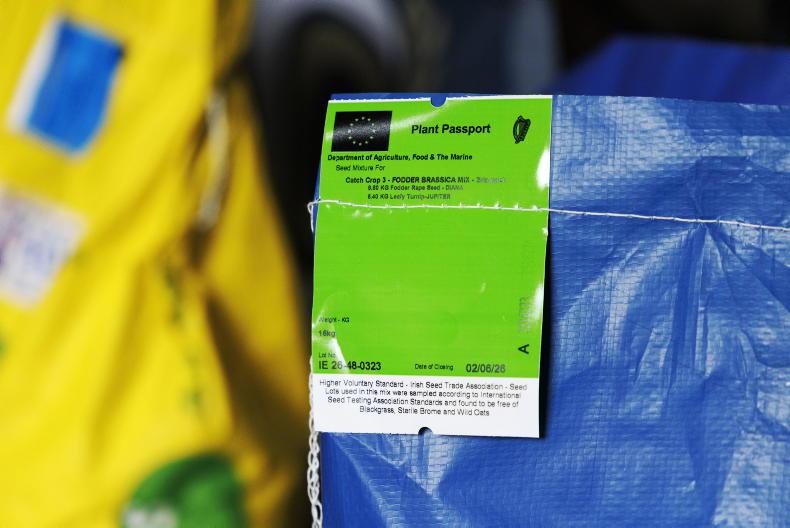
Catch crops: It will take a nice bit of rain to make land easily workable to plant catch crops and we don’t need that rain yet as crops need to be harvested. Get them in as soon as you can when conditions allow. Plant higher voluntary standard seed which has been tested for grass weed seeds. High-quality seed is important not to bring other issues onto your farm while trying to make improvements.
Planning: Grass weed management and catch crop planting all feed into crop planning. Now is the time to make a cropping plan for 2027. What fields will be in spring crops to leave catch crops over winter and to reduce grass weed seed germination? Are you going to plant oilseed rape in the coming weeks? What crops have performed well and what varieties? Do you need to change the area of crops that did or didn’t perform? What is your most consistent crop? Does your rotation allow for the crop to be grown this year?