



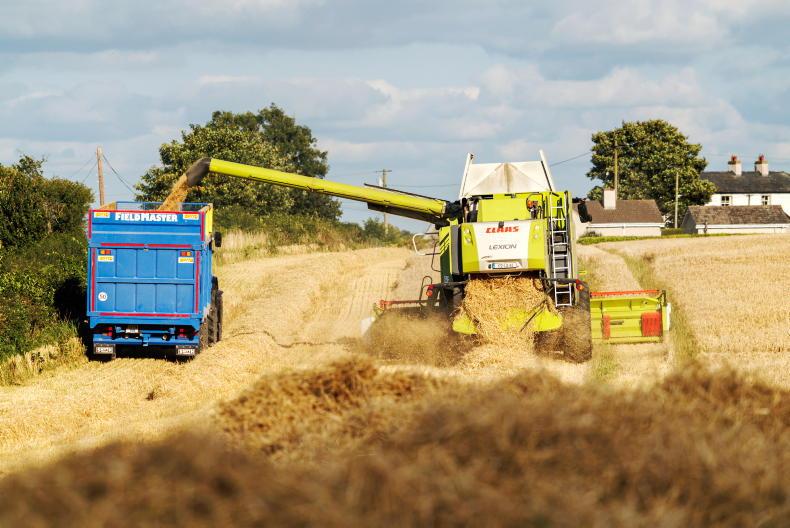
Harvest: The harvest is in full swing at the minute from spring barley and winter wheat to oilseed rape and oats. Some spring barley and wheat crops are only coming right and the later sown crops are another bit away.
There is rain in the forecast. Prioritise harvesting varieties with lower straw strength than others. Some varieties can break down quite quickly and would be better cut if they are ready. That said, some crops are being cut slightly early according to reports, so don’t cut unless they are ripe.
Keep an eye on grass weeds or under-performing areas of fields when you are harvesting so you can make changes to management next season.
Straw: Straw has a value to your soil. Don’t undersell it. Some spring barley crops have very low straw yields. These crops may be better chopped. It would take a very high straw price to turn a profit on low-yielding straw. Don’t give away nutrients to another farmer if you are not being paid enough for it. If you are getting four bales/ac, place baling at €6/bale, turning and loading at €4 or around that figure. That’s €40/ac on costs. Divide the €100/ac for the Straw Incorporation Measure by four. That’s €25/bale plus €10, bringing the price to €35/bale. Some costs will be higher.
Nitrates: Stubbles from winter crops look to be cultivated across the country and many of them have been planted with a catch crop. The early planting will stand to those crops. Stubbles must be cultivated under nitrates within 14 days of harvest in Cork, Tipperary, Waterford and Leinster apart from Longford. You can leave land destined for winter crops uncultivated and you should leave 20-25% of cereal stubble uncultivated over winter for the birds. If you have catch crops in schemes then this area does not have to be left.
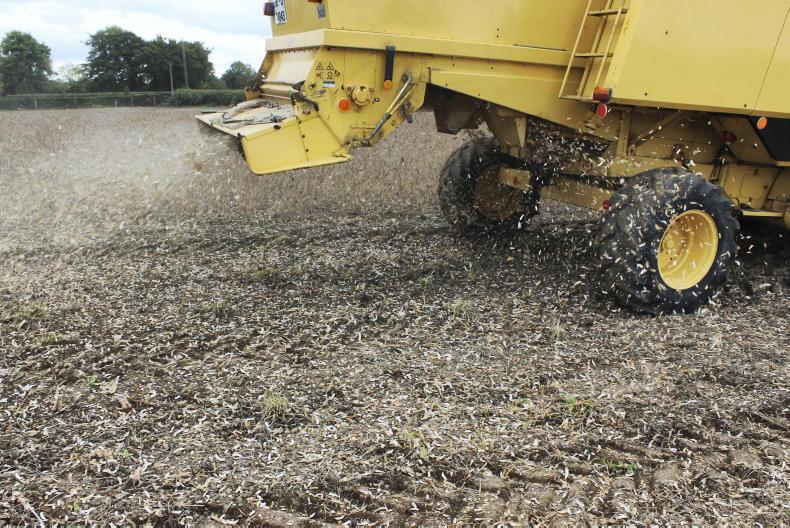
Straw chopping: If you have entered crops into the Straw Incorporation Measure (SIM) then you need to incorporate that straw in as soon as possible after harvest. Take pictures of the chopped straw and of cultivating that straw. Turn on the location on your phone and geo-tag the photo in case of inspections later on. If you want to change any parcels in the measure or take them out then email tillage@agriculture.gov.ie call 057-8674422 or contact your adviser.
Beet: Beet crops may need a fungicide. Check for disease, but applying a preventative application at this time of year can benefit yields. Chat with your agronomist on this.
Crop Tour: Keep an eye on the Irish Farmers Journal Crop Tour. There are two more videos due up on 31 July and 1 August and you can watch back the other three videos. You’ll hear how crops are doing across the country and what issues were encountered, as well as solutions to problems.
Safety: It is a busy time of the year, but the most important thing is that everyone comes home safe at the end of each day so take your time at jobs and get enough sleep.



SHARING OPTIONS