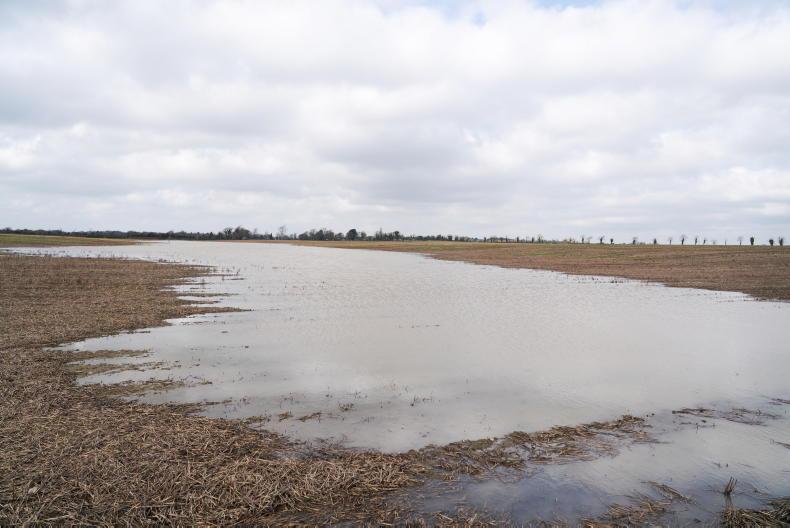
Weather: rain over the weekend and Monday and Tuesday has put any thought of fieldwork away. Land is now saturated and flooded in some cases. Winter crops are in good order and have escaped well so far.
The coming days will challenge them, but with such good establishment it should not be a big issue. Good progress has also been made in the fields. Many farmers and agronomists have said they got herbicide out over the past month, which is a good thing.
Varieties: you might now have had a look through the recommended lists. Choose your varieties and get your order into your merchant or co-op. The sooner you get the order in, the better chance you have of getting the variety that you want.
Take delivery or collect bean seed in the next while to have it in the yard and be able to sow when the weather allows. There is great choice on spring cereal and bean varieties at the minute.
In spring barley there are 12 varieties, and you should aim for some of the newer ones where possible. In some cases you will have to plant lower-performing varieties for the malting market, but you must ask whether it is going to deliver a return.
We don’t know where that price will end up, currently it is under €20/t ahead of feed. Will it deliver enough yield when the premium is not as good as it once was? On the other side of things, that premium might improve.
Fertiliser: calculate your fertiliser needs and get prices or order what is needed first soon enough to get it in place for winter and spring crops.
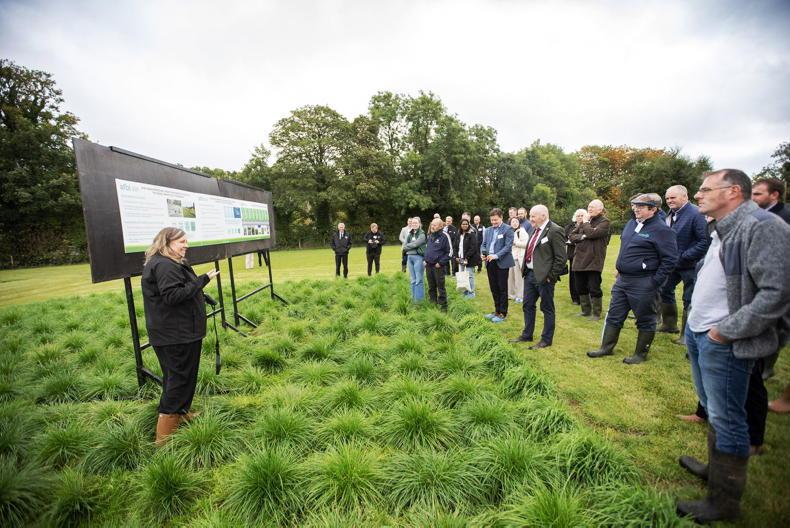
AgNav: as the weather has turned it is important to catch up on records, and one thing that all tillage farmers should be doing this year is filling out AgNav. AgNav is an online tool that allows farmers to calculate their carbon footprint.
AgNav will be essential in the coming years as farmers aim to get paid for having low carbon emissions and for sequestering carbon. The more farmers that fill this out, the more data there will be, and therefore the more information there is to make the figures for the carbon footprint of Irish grain more accurate.
At present there are sheds of Irish grain sitting across the country. It is unbelievable that grain we all know carries a low carbon footprint compared to imported grain is not being used by the livestock sector.
In order to create demand for this grain we need to prove its low carbon footprint and therefore make it essential for livestock farmers to feed it to reduce the carbon footprint of meat and milk.
You can access AgNav by logging onto agnav.ie. Once you are on there is a box in the top left corner entitled “tillage registration”. If you want help filling out your AgNav you can contact your Teagasc adviser and they will put you onto a climate adviser who will work through all the steps with you.