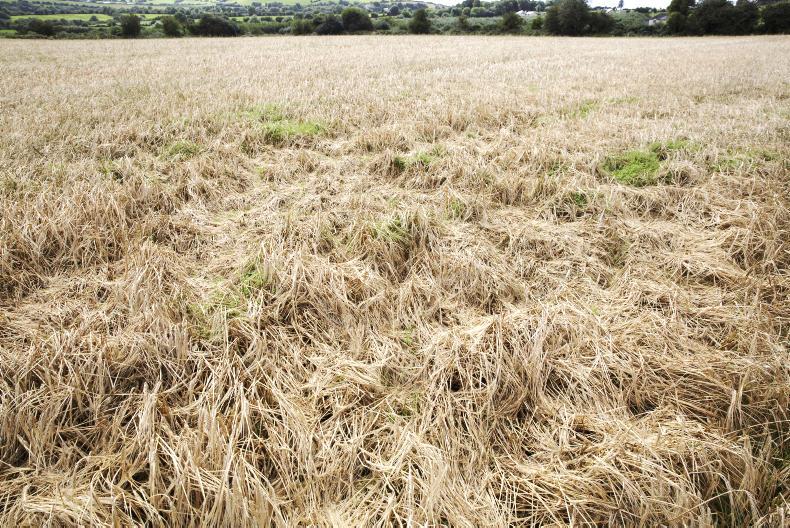
Great progress: The fine week might not have been great but it was good enough in most areas to enable a lot of harvesting to take place. Some growers are now finished and many are most of the way through. Progress remains very slow in the northwest where wheat harvesting is only just beginning and there is very little spring barley cut.
Elsewhere there has been a lot of crops harvested over the past week. The vast majority are now ripe and ready for cutting but there has been very little good ripening weather over the past week. This is certainly slowing down the maturation process for spring wheat and oats and it is also impacting on spring beans, where harvesting has begun in the south.
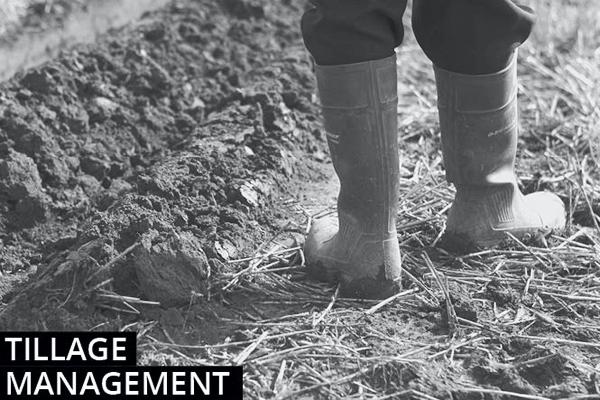
Cultivate stubbles: Much of the straw left in rows has been baled up and either removed or stacked. It is good to see so many cleared stubbles cultivated to help kill slugs and get seeds germinated. Chopped straw needs to be cultivated to get it mixed with soil before ploughing.
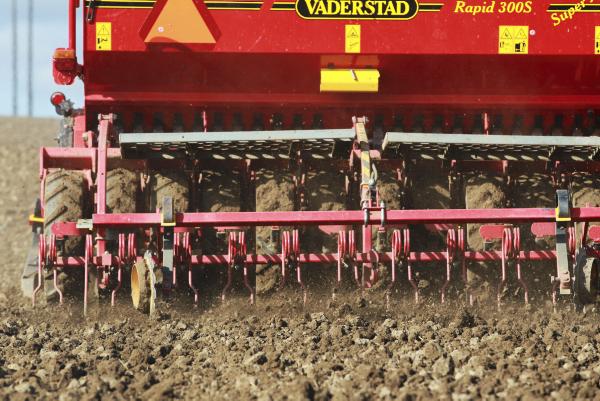
High volumes of chopped straw could cause problems for direct drilling, especially if it is wet. The use of a straw harrow is a great way to lift it off the ground to enable it to dry out in front of the drill. Avoid having the soil covered with chopped straw when using residual herbicides.
Those not planting winter crops should cultivate stubbles to encourage regrowth of volunteers and weed seeds like sterile brome, canary grass, wild oats or other weeds. Once a weed seed germinates and is killed, it is one less problem for the future. Cultivation needs to be shallow.
Planting dates: The temptation is to get planting winter cereals again instantly. This is a practical consideration for every grower but try and hold off until the third week in September for all crops. Earlier plantings (there are cereals already planted) increase infection pressure from diseases like BYDV and increase the risk of serious autumn infection with foliar diseases like septoria, rhyncho, net blotch, mildew, take-all and eyespot.
Start by planting barley and move on to wheat and/or oats. If you are planting wheat early, only plant a septoria resistant variety like Epson or Torp. A susceptible variety will carry much more septoria through the winter to cause bigger challenges in spring.
Planting should begin in the colder heavier ground as this is likely to have less autumn growth and opportunities to drill later could be more limited. Delay planting towards mid-October where take-all is a risk and use Latitude dressed seed.
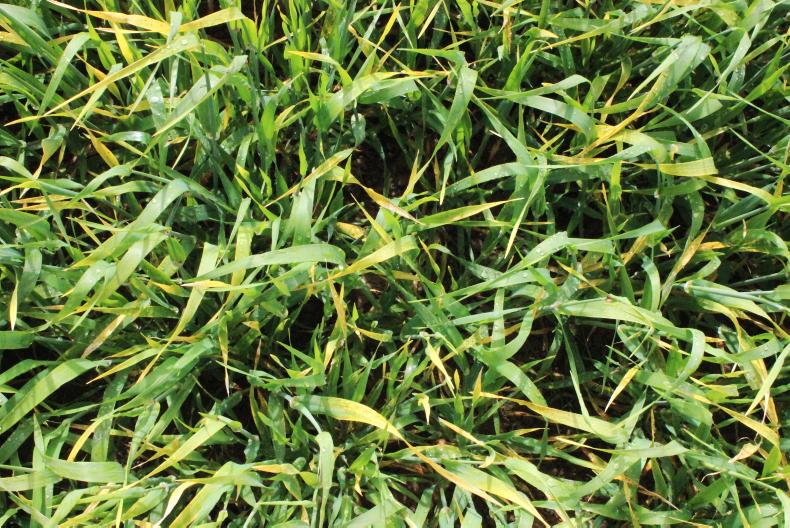
Use of Redigo Deter dressing must be regarded as essential for early planting and BYDV control. This should provide up to six weeks of aphid control but a follow-up spray (or two) may still be needed. There was a fair bit of BYDV around this year which appeared to have an impact on some winter barley crops but less so on winter wheat.
Great progress: The fine week might not have been great but it was good enough in most areas to enable a lot of harvesting to take place. Some growers are now finished and many are most of the way through. Progress remains very slow in the northwest where wheat harvesting is only just beginning and there is very little spring barley cut.
Elsewhere there has been a lot of crops harvested over the past week. The vast majority are now ripe and ready for cutting but there has been very little good ripening weather over the past week. This is certainly slowing down the maturation process for spring wheat and oats and it is also impacting on spring beans, where harvesting has begun in the south.
Cultivate stubbles: Much of the straw left in rows has been baled up and either removed or stacked. It is good to see so many cleared stubbles cultivated to help kill slugs and get seeds germinated. Chopped straw needs to be cultivated to get it mixed with soil before ploughing.
High volumes of chopped straw could cause problems for direct drilling, especially if it is wet. The use of a straw harrow is a great way to lift it off the ground to enable it to dry out in front of the drill. Avoid having the soil covered with chopped straw when using residual herbicides.
Those not planting winter crops should cultivate stubbles to encourage regrowth of volunteers and weed seeds like sterile brome, canary grass, wild oats or other weeds. Once a weed seed germinates and is killed, it is one less problem for the future. Cultivation needs to be shallow.
Planting dates: The temptation is to get planting winter cereals again instantly. This is a practical consideration for every grower but try and hold off until the third week in September for all crops. Earlier plantings (there are cereals already planted) increase infection pressure from diseases like BYDV and increase the risk of serious autumn infection with foliar diseases like septoria, rhyncho, net blotch, mildew, take-all and eyespot.
Start by planting barley and move on to wheat and/or oats. If you are planting wheat early, only plant a septoria resistant variety like Epson or Torp. A susceptible variety will carry much more septoria through the winter to cause bigger challenges in spring.
Planting should begin in the colder heavier ground as this is likely to have less autumn growth and opportunities to drill later could be more limited. Delay planting towards mid-October where take-all is a risk and use Latitude dressed seed.
Use of Redigo Deter dressing must be regarded as essential for early planting and BYDV control. This should provide up to six weeks of aphid control but a follow-up spray (or two) may still be needed. There was a fair bit of BYDV around this year which appeared to have an impact on some winter barley crops but less so on winter wheat.






SHARING OPTIONS