


Wrapping up: The harvest is just about wrapped up. There is now very little grain left to be harvested in most of the country, with spring rape and beans accounting for most of what’s left. The good weather has been very useful.
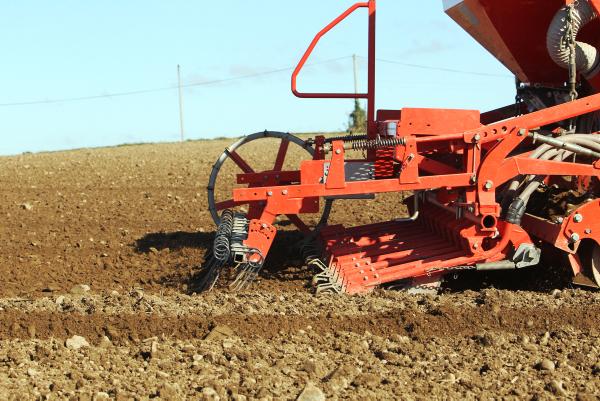
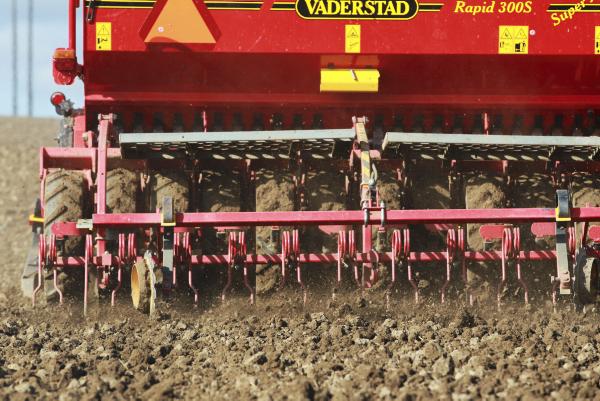
Planting dates: The temptation will be to instantly get going again with planting of winter cereals. This is a practical consideration for every grower, but try to hold off until the third week in September at the earliest. Start by planting barley and then onto wheat and oats.
As always, begin planting in colder, heavier ground, where opportunities to drill later can be restricted and autumn growth is limited. As we have more first wheats and less second and continuous crops, the risk from take-all should be low. Consider planting winter barley ahead of wheat to help reduce septoria pressure.
Even if you are planting latitude-dressed wheat, planting before mid-October will still increase disease pressure.
Use of Redigo Deter dressing for early planting can help minimise the risk of BYDV infection on very early-sown crops. This should provide up to six weeks aphid control, but a follow-up spray will still be needed.
Cultivate stubbles: Those who will not be planting winter crops should try to cultivate stubbles to encourage regrowth of volunteers and to help germinate weed seeds like sterile brome, canary grass, wild oats, or other weeds that got away in recent years. Once a weed seed germinates and is killed, it is one less problem weed for the future.
Cultivation needs to be shallow to prevent subsequent cultivation problems, but it should increase the amount of green cover present. Ground conditions are generally excellent and land is breaking up well following all kinds of tools.
Straw: There has been an amount of straw moved off land over the past week. If you have baled straw for subsequent sale, get it off the land and under cover, as bleached straw may be less appealing later in the winter when there will be a lot of straw available. Having straw bales sitting in fields reinforces an over-supply situation.
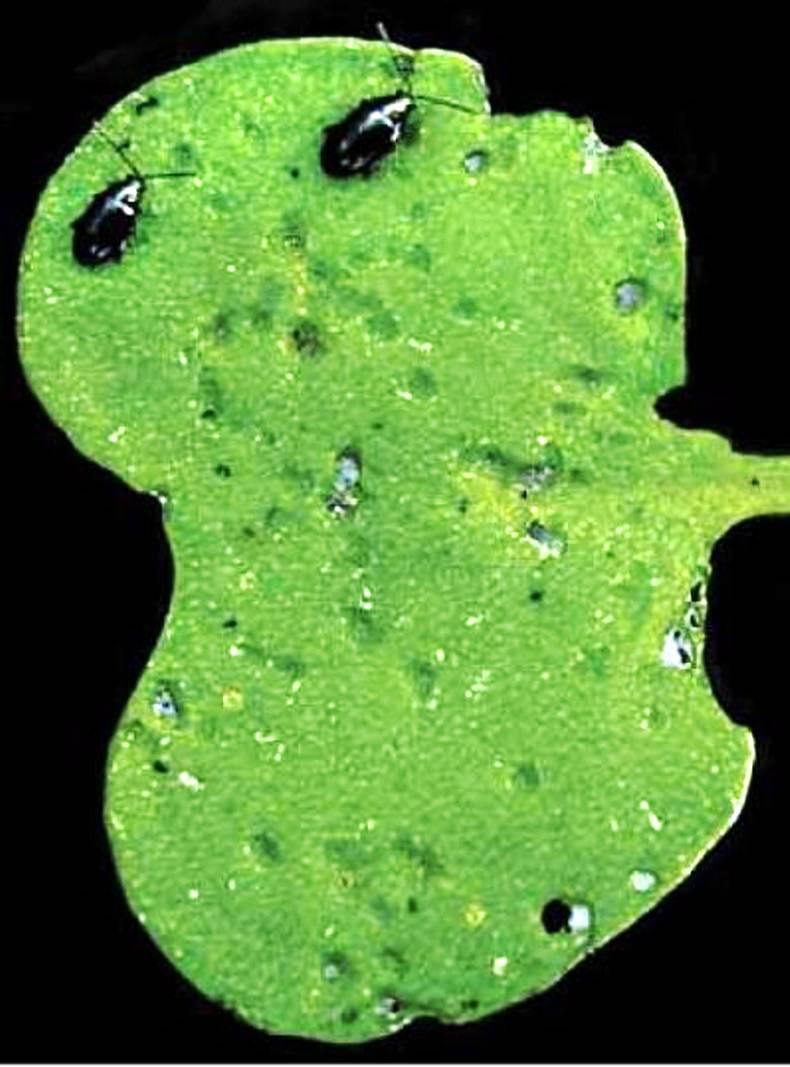
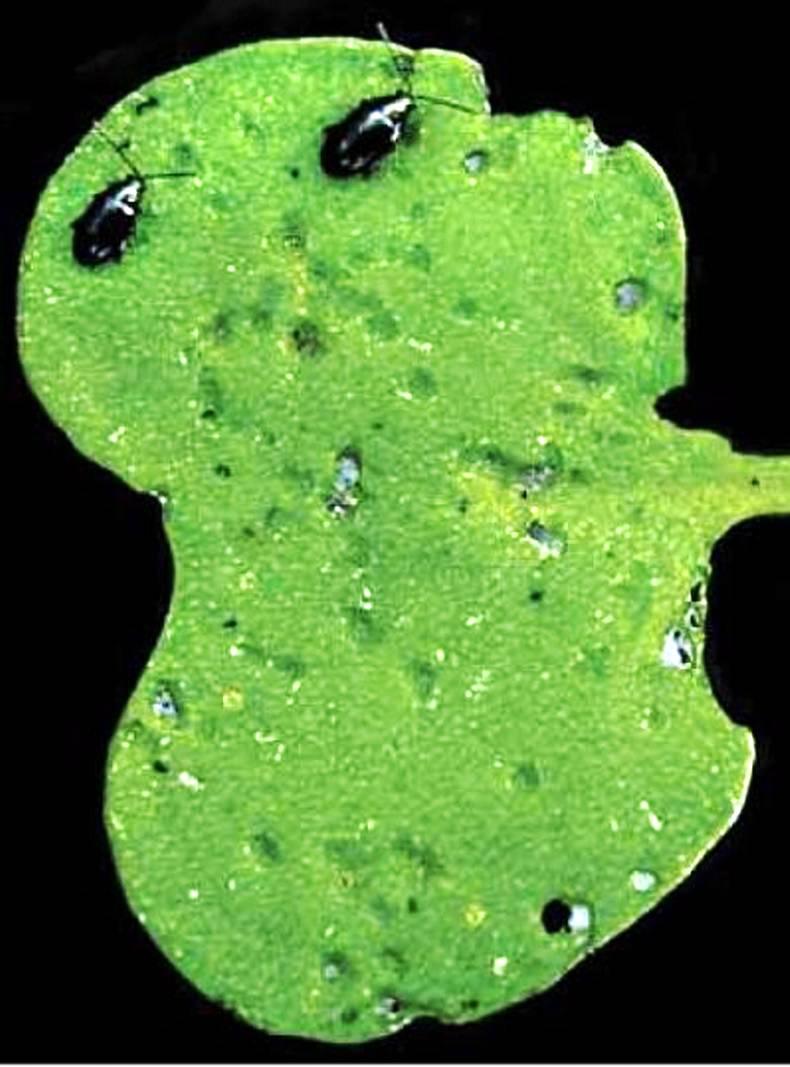
Emerging rape crops: Early winter rape crops are now emerged or emerging, so watch for signs of flea beetle damage. If the pest is present, it can quickly multiply to menacing numbers in the warmer weather. Spray if necessary.
Apply either Butisan S or Katamaran pre or early post-emergence, but be careful if apply during emergence where seeds are exposed and still only germinating. Applying these residual herbicides is likely to be more effective if applied either side of a rain shower to wash them into the soil.
Check establishing crops for signs of slug damage. If you still plan to plant rape, use a hybrid variety, preferably in a warm field, at 35 to 40 seeds/m2.
Fields with a charlock or mustard problem may need to be sprayed with Salsa later. It is too early for graminicide, unless there are already a lot of cereal volunteers present.



SHARING OPTIONS