Fungus resistance, genetic resistance and the challenges of new active availability will be among the topics discussed at next week’s Teagasc conference.
Septoria control may be the main focus of the conference but the topics equally relate to the challenges for the control of all crop diseases.
ADVERTISEMENT
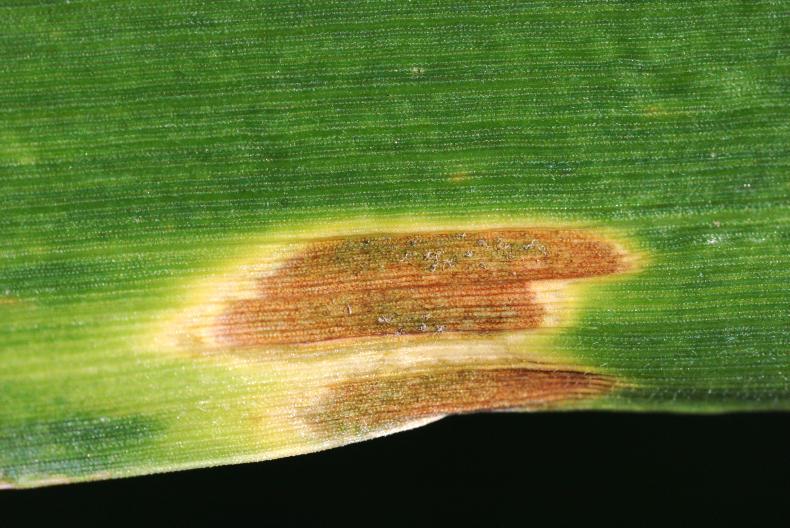
The recent wet weather will have sparked considerable movement and infection of septoria in wheat crops. However, Steven Kildea of Teagasc says this is not a major concern as the leaves now present will die. He emphasised that it is the spread that takes place in April/May which sets crops up for epidemics and causes control concerns.
If the weather continues to produce big spurts of rain from now until May it is likely that two SDHIs will be required, Steven said. But all uses of SDHIs must involve protection from other chemistry families including the azoles. How best we can protect this very important family of chemistry will be a major focus of the Teagasc Septoria conference.
The conference will state that the increasing challenges of disease control arise from the evolution of fungi since we began to use fungicides.
ADVERTISEMENT
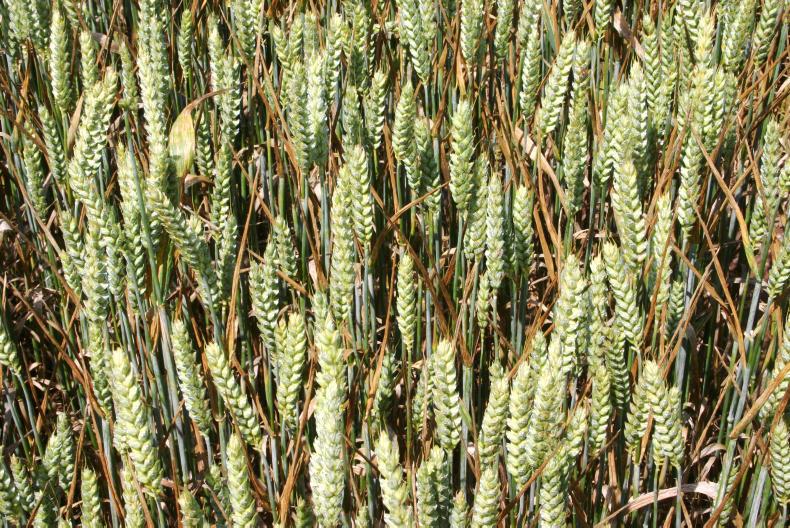
On the wheat front, the conference will address the potential for genetic resistance and its potential for field and fungicide use.
The conference takes place in Dunboyne Castle next Wednesday 22 March.
Register for free to read this story and our free stories.
This content is available to digital subscribers and loyalty code users only. Sign in to your account, use the code or subscribe to get unlimited access.
The reader loyalty code gives you full access to the site from when you enter it until the following Wednesday at 9pm. Find your unique code on the back page of Irish Country Living every week.
CODE ACCEPTED
You have full access to the site until next Wednesday at 9pm.
CODE NOT VALID
Please try again or contact support.
The recent wet weather will have sparked considerable movement and infection of septoria in wheat crops. However, Steven Kildea of Teagasc says this is not a major concern as the leaves now present will die. He emphasised that it is the spread that takes place in April/May which sets crops up for epidemics and causes control concerns.
If the weather continues to produce big spurts of rain from now until May it is likely that two SDHIs will be required, Steven said. But all uses of SDHIs must involve protection from other chemistry families including the azoles. How best we can protect this very important family of chemistry will be a major focus of the Teagasc Septoria conference.
The conference will state that the increasing challenges of disease control arise from the evolution of fungi since we began to use fungicides.
On the wheat front, the conference will address the potential for genetic resistance and its potential for field and fungicide use.
The conference takes place in Dunboyne Castle next Wednesday 22 March.
If you would like to speak to a member of our team, please call us on 01-4199525.
Link sent to your email address
We have sent an email to your address. Please click on the link in this email to reset your password. If you can't find it in your inbox, please check your spam folder. If you can't find the email, please call us on 01-4199525.
ENTER YOUR LOYALTY CODE:
The reader loyalty code gives you full access to the site from when you enter it until the following Wednesday at 9pm. Find your unique code on the back page of Irish Country Living every week.






SHARING OPTIONS