Members of the European Parliament (MEPs) have adopted a resolution for a tougher stance on the live export of animals, including a recommendation not to export livestock to non-EU countries without a bi-lateral standards agreement.
If a bi-lateral agreement on animal welfare standards during transport cannot be reached, the resolution recommends that the European Commission should ban live exports to that country.
Actors in the transport chain need to live up to their obligations
This could be of concern to Irish exports to non-EU countries such as Libya and Turkey.
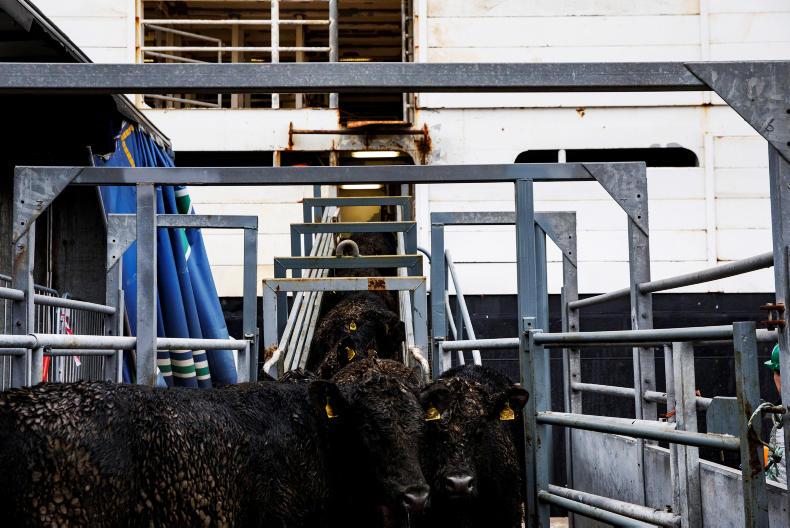
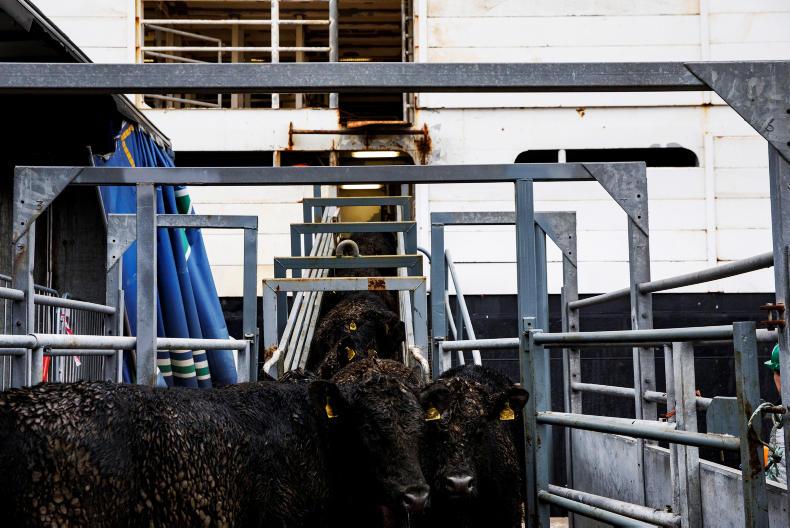
Ireland exported almost 6,000 cattle to Libya last year and 12,870 cattle to Turkey last year, with hopes to grow exports to both markets in 2019.
Geolocation on transports
MEPs also voted in favour of stricter and more regular checks on transports and called on the Commission to create a geolocation system to track vehicles transporting live animals.
They stated that this would ensure a real-time feedback which would show if journey logs were being filled fraudulently.
If a vehicle driver was found to be in breach of regulations, MEPs recommended that their transport licence be suspended or withdrawn.
They also suggested a ban on vehicle traders found to be in breach of regulations.
“Actors in the transport chain need to live up to their obligations, whether they are farmers, traders of animals, veterinarians, or transport companies,” rapporteur Jørn Dohrmann.
Cutting down on live exports
MEPs in the Agriculture Committee asked that the Commission carry out species specific research on how long journey times should take.
However for the long term, they advocated cutting down on live exports and moving to meat and carcass transport as an alternative.
The adopted text will be reviewed by the European Parliament in February.
Read more
Live exports: what's in store for 2019?
Curzon to send more bulls Libya
Members of the European Parliament (MEPs) have adopted a resolution for a tougher stance on the live export of animals, including a recommendation not to export livestock to non-EU countries without a bi-lateral standards agreement.
If a bi-lateral agreement on animal welfare standards during transport cannot be reached, the resolution recommends that the European Commission should ban live exports to that country.
Actors in the transport chain need to live up to their obligations
This could be of concern to Irish exports to non-EU countries such as Libya and Turkey.
Ireland exported almost 6,000 cattle to Libya last year and 12,870 cattle to Turkey last year, with hopes to grow exports to both markets in 2019.
Geolocation on transports
MEPs also voted in favour of stricter and more regular checks on transports and called on the Commission to create a geolocation system to track vehicles transporting live animals.
They stated that this would ensure a real-time feedback which would show if journey logs were being filled fraudulently.
If a vehicle driver was found to be in breach of regulations, MEPs recommended that their transport licence be suspended or withdrawn.
They also suggested a ban on vehicle traders found to be in breach of regulations.
“Actors in the transport chain need to live up to their obligations, whether they are farmers, traders of animals, veterinarians, or transport companies,” rapporteur Jørn Dohrmann.
Cutting down on live exports
MEPs in the Agriculture Committee asked that the Commission carry out species specific research on how long journey times should take.
However for the long term, they advocated cutting down on live exports and moving to meat and carcass transport as an alternative.
The adopted text will be reviewed by the European Parliament in February.
Read more
Live exports: what's in store for 2019?
Curzon to send more bulls Libya







SHARING OPTIONS