


The minister addressed the ongoing TB debacle from the stage at Moorepark last week. He detailed the 36% increase in TB cases in two years.
This additional cost of administrating the scheme has been compounded by the increase in the value of stock over the same period.
Very interesting to hear him say that he was advised by Michael Cronin, TB forum chair, that the TB forum had come to a natural end as regards making changes and a new approach was needed.
The Department subsequently called a TB summit and the stakeholders were told five pillars and 30 different actions are now needed. The minister said in Moorepark that he was continuing to engage with colleagues on these actions but they needed to be practical.
The disease continues to rampage across rural Ireland. Under the new proposals, restricted farmers would lose out considerably on potential high value stock sales if any TB is identified.
Farmers need proportionate penalties and timely clarity on these proposed new rules.
To change herd status for a small number of reactors is very disproportionate to the on farm restriction and potential impact on farmers’ income. Imagine having three reactors and you are tied up for eight months and then you have a doubtful at a third test and you are restricted for another six months. That’s a huge burden to carry for a relatively small number of reactors.
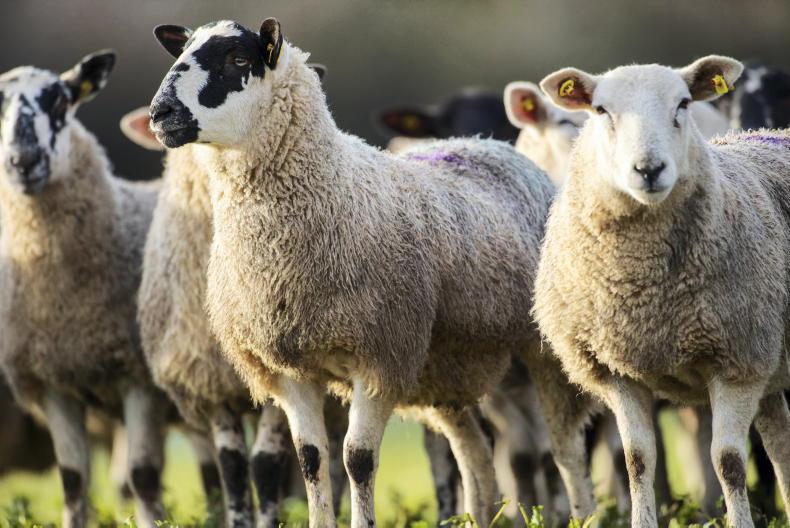
On page 33, Tullamore Farm manager Shaun Diver outlines the individual lamb slaughter performance and returns for the first draft of lambs from Tullamore Farm 2025. The information shared on this page is virtually unparalleled in the sector.
Shaun details how he is reducing costs and labour by avoiding unnecessary dosing and slowing down the development of anthelmintic resistance with faecal testing. He also details the pedigree and parentage information which, when included in the Sheep Ireland database, brings power and strength to the genetic information.
The intention of this project is to play our part and demonstrate efficient lamb production and to make commercial farmers sustainable. The intense effort and measurement at lambing and breeding that Shaun and his team deliver pays off when the carcase detail is delivered. Well done to all.
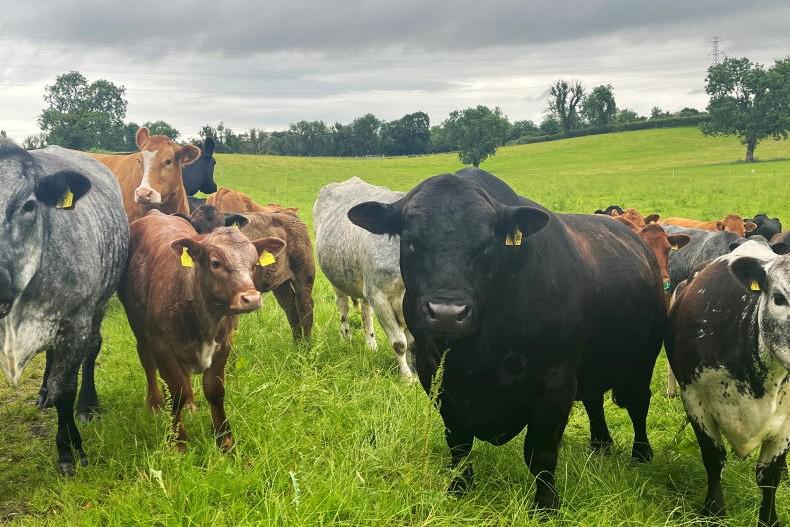
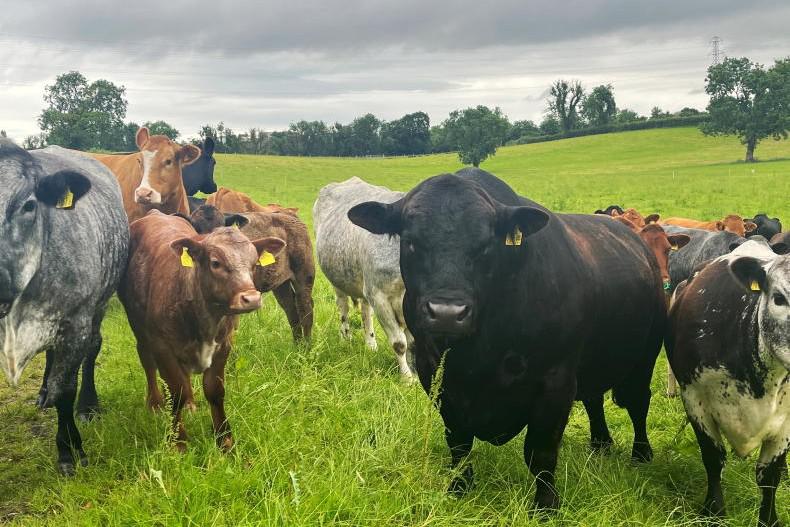
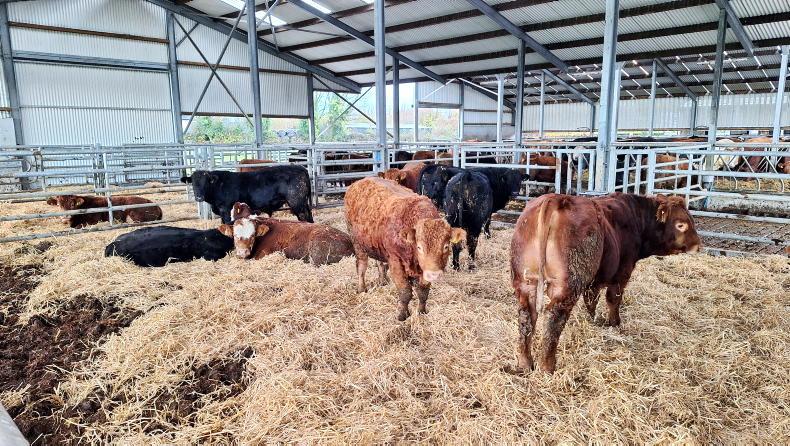
The Ulster Grassland Society summer beef walk was on Lisgoole Abbey Estate farm just outside Enniskillen in Co Fermanagh. On page 32, Adam Woods details the views of farm manager Conor Donaldson on his ideal suckler cow.
He mentions the work/life balance as part of his decision-making on breed choice. In contrast, many suckler farmers want to breed the very best at any cost. The Lisgoole breed choice is aligned to the heavy land and high rainfall that Fermanagh farms have to deal with. This suckler story serves as another reminder that sometimes, simple systems are best. Could we see more of these “easy care” type suckler herds in the future?



SHARING OPTIONS