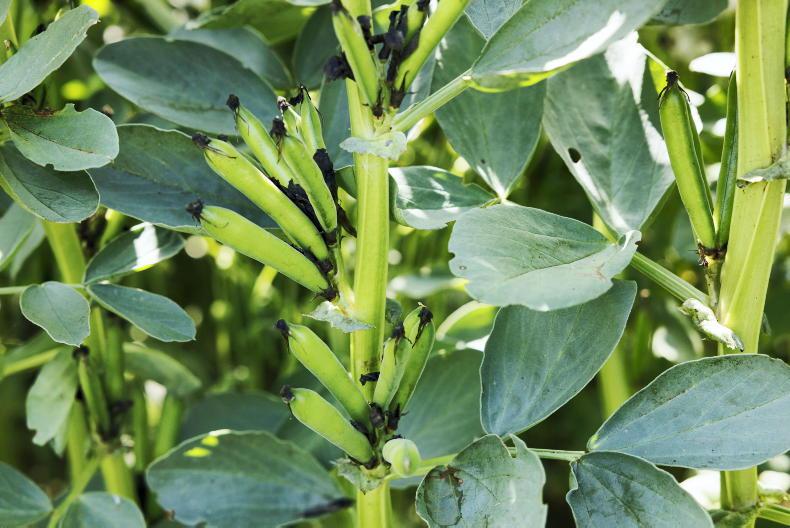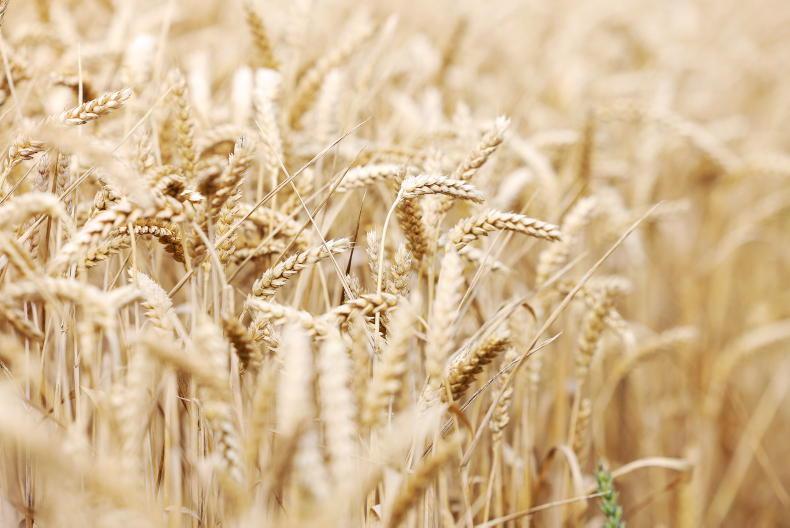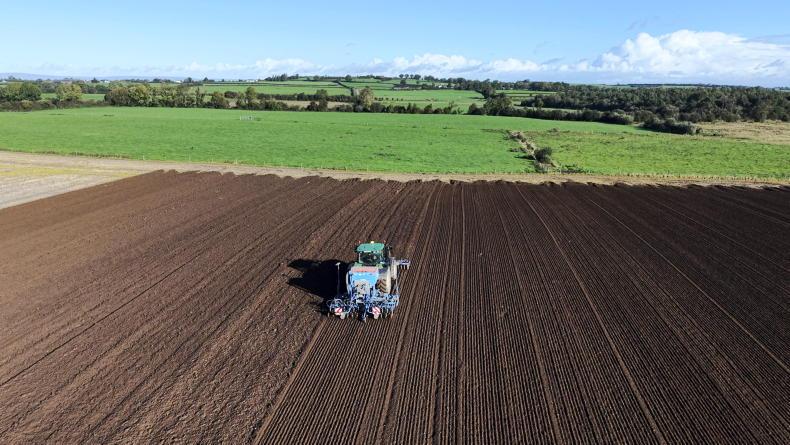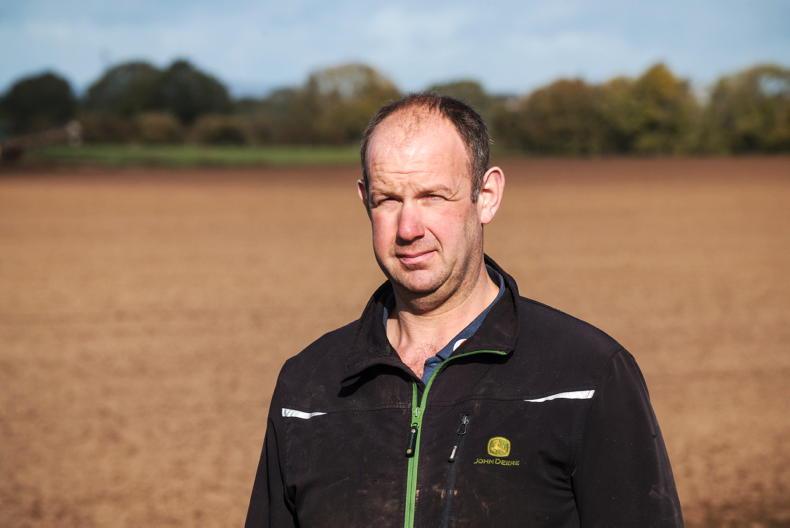
Farming around 450 acres between owned and rented land in Co Laois, Gary Roe has a mixture of crops from winter and spring barley to winter wheat, winter rye, winter oilseed rape, spring beans and oats in his rotation.
Gary also has potatoes and carrots in his rotation, working with a local vegetable grower.
While sowing Orcade winter barley at 180kg/ha with a thousand grain weight of 60 last week, he spoke to the Irish Farmers Journal about the current challenges facing tillage farmers.
“The price is the problem. I know we’re on a world market and that’s the way it is, but, unfortunately, we are competing with third-world countries that are using chemicals that are banned here, they have lower costs and all that and are not meeting our standards.
"I know we have to have imported grain into the country, but that imported grain should be of European standard,” said Gary.
Impact of drought
The drought of the summer hit many tillage crops in 2026.
“The early sown spring barley suffered, the winter barley suffered. There were winter oats in this field that suffered very badly with the drought. It suffered. We did suffer around here, I can’t say we didn’t.
"It just depended on where it was. Some places got rain and it might have only been showers, but it was enough to keep things ticking along. Any crops that had organic fertiliser under them had the power in the soil and they seemed to perform well,” said Gary.
However, he admitted the harvest was made much easier because the weather was so good.
CBAM
Fertiliser next year will once again have the European Union’s carbon border adjustment mechanism (CBAM) import tax on it.
“CBAM is a carbon tax; CBAM grain is the same principal. It’s coming from outside the EU, that’s the way to sort it. If it’s not meeting our standards, there should be a tax put on it. That would help the price.
"A minimum inclusion rate will work, but it needs to be 30% to 40% to make the mills do it. There are a lot of local small mills around here and they are very good to buy Irish grain, but if you go down to parts of the country and they’re beside the ports and there are some mills and it’s the boat,” said Gary.
The price of diesel has affected Gary, as they would burn around 120,000l a year, but, for him, "fuel is only the small thing".
“Everything has gone up in price; insurance, parts, even the garages to do the repairs has got a lot higher and the labour, everything is always climbing,” he said.
Watch the full video here: