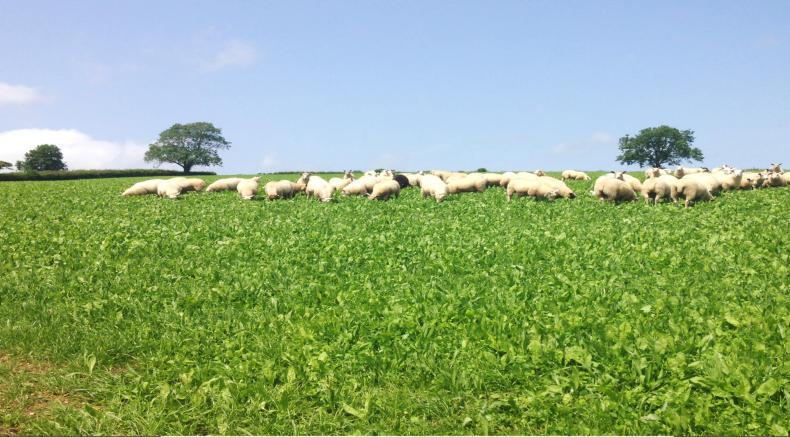
Sheep numbers in Wales are also bucking the trend of many EU countries, recording growth in both the breeding ewe flock and number of lambs produced
The Welsh government also recently released the results of its June 2016 sheep census. Recovery in flock numbers has stepped up a gear after falling to a low level, similar to that experienced in Ireland and Northern Ireland in the period 2010 to 2012 on the back of higher culling of ewes.
The census shows a 3.7% or 168,867 head lift in the breeding ewe flock, which now stands at 4.6m. This is about 2m higher than the Irish flock, with a high percentage of Welsh land described as more marginal in nature and suitable for grazing sheep and cattle.
ADVERTISEMENT
The number of ewes highlighted as selected for culling has also remained low and is benefiting from flocks expanding following a few difficult years. The report highlights poor market prices in 2012 and 2013 and difficult weather conditions as hitting confidence, leading to more ewes being culled and more lambs held over for finishing in the following year.
The higher ewe flock is also influencing the number of lambs aged under one year on farms last June. This category increased 2.8% or 128,750 head, but it should be noted it is only returning to 2013/2014 levels when favourable breeding conditions and a large jump in ewe numbers inserted a sharp lift in the number of lambs aged under one year. The full report can be found at ifj.ie/wales.
This content is available to digital subscribers and loyalty code users only. Sign in to your account, use the code or subscribe to get unlimited access.
The reader loyalty code gives you full access to the site from when you enter it until the following Wednesday at 9pm. Find your unique code on the back page of Irish Country Living every week.
CODE ACCEPTED
You have full access to the site until next Wednesday at 9pm.
CODE NOT VALID
Please try again or contact support.
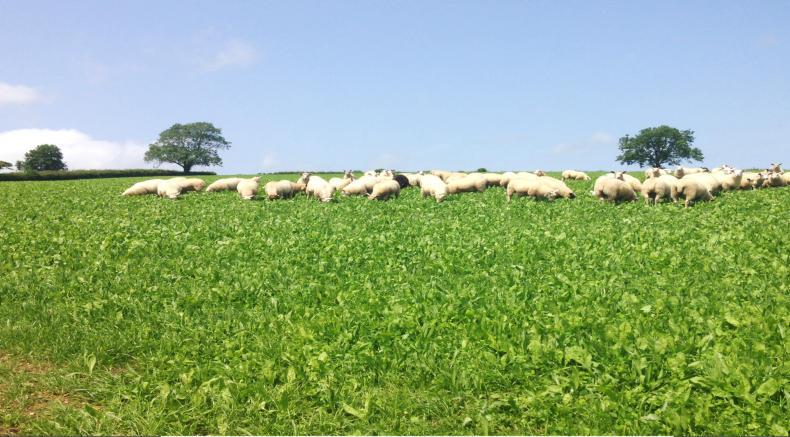
Sheep numbers in Wales are also bucking the trend of many EU countries, recording growth in both the breeding ewe flock and number of lambs produced
The Welsh government also recently released the results of its June 2016 sheep census. Recovery in flock numbers has stepped up a gear after falling to a low level, similar to that experienced in Ireland and Northern Ireland in the period 2010 to 2012 on the back of higher culling of ewes.
The census shows a 3.7% or 168,867 head lift in the breeding ewe flock, which now stands at 4.6m. This is about 2m higher than the Irish flock, with a high percentage of Welsh land described as more marginal in nature and suitable for grazing sheep and cattle.
The number of ewes highlighted as selected for culling has also remained low and is benefiting from flocks expanding following a few difficult years. The report highlights poor market prices in 2012 and 2013 and difficult weather conditions as hitting confidence, leading to more ewes being culled and more lambs held over for finishing in the following year.
The higher ewe flock is also influencing the number of lambs aged under one year on farms last June. This category increased 2.8% or 128,750 head, but it should be noted it is only returning to 2013/2014 levels when favourable breeding conditions and a large jump in ewe numbers inserted a sharp lift in the number of lambs aged under one year. The full report can be found at ifj.ie/wales.
If you would like to speak to a member of our team, please call us on 01-4199525.
Link sent to your email address
We have sent an email to your address. Please click on the link in this email to reset your password. If you can't find it in your inbox, please check your spam folder. If you can't find the email, please call us on 01-4199525.
ENTER YOUR LOYALTY CODE:
The reader loyalty code gives you full access to the site from when you enter it until the following Wednesday at 9pm. Find your unique code on the back page of Irish Country Living every week.







SHARING OPTIONS