



The trade framework agreement between the EU and the US announced yesterday has taken the risk of a trans-Atlantic trade war off the table for now. However, details on what has actually been agreed are scant at the moment.
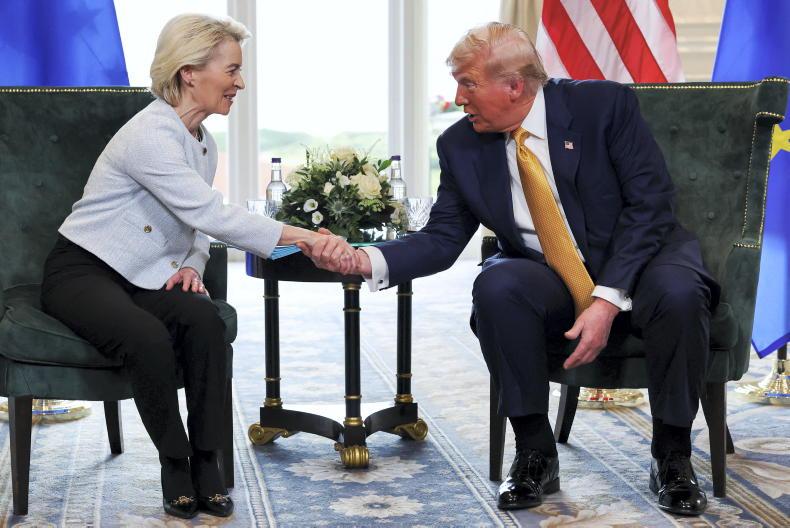
EU Commission president Ursula von der Leyen said that there will be a single 15% tariff rate “for the vast majority” of EU exports. Crucially, she said the 15% rate will be all-inclusive, meaning that it will be the maximum amount paid on goods, some of which have been subject to tariffs under long-standing trade agreements.
Von der Leyen also said that there would be zero-for-zero tariffs on a number of strategic products which include “certain agricultural products”. No clarity has yet emerged on what those products might be.
For Irish farmers the key exports to the US are in the dairy sector. Irish meat exports to the US make up a tiny fraction of that industry’s output, with less than €10m of beef exports to the country last year. In contrast, Irish dairy exports to the US stood at €809m in 2024.
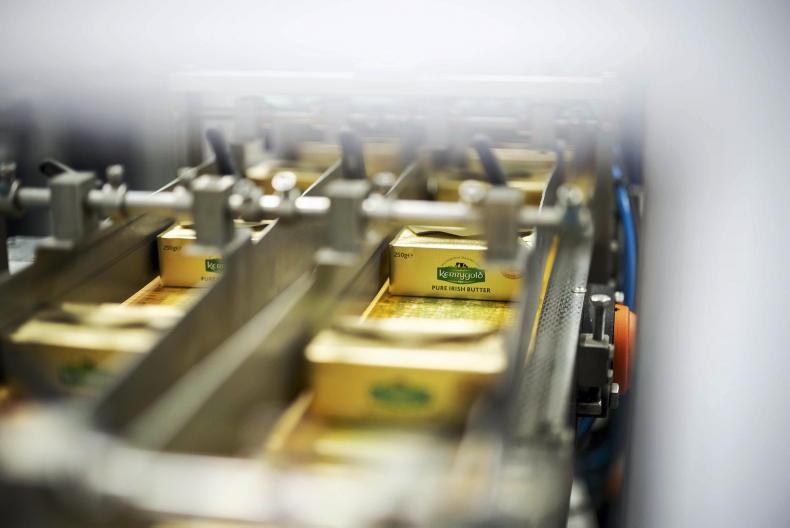
Since April butter, which makes up the majority of those exports, has had a 10% additional tariff rate applied, on top of the $1,541 per tonne levy which the product had already been subject to.
Conor Mulvihill, Director of Dairy Industry Ireland (DII) said: “For our key dairy sector, which exports over 90 percent of its output, all tariffs are regrettable.
However, the confirmation that EU exports will now be subject to a single 15% tariff rate, with no additional stacked duties, is particularly important for Irish dairy products such as butter, which had faced a combined tariff burden of over 25% since April.”
Mulvihill noted the reference to zero-for-zero tariffs and called on the government to and EU institutions to “seek clarity on whether Irish dairy products could be included in that list”.
The deal at 15% for EU goods means that there now is a different tariff rate on exports from the EU and those from the UK, which are subject to a 10% tariff. Mulvihill said that DII “remain concerned about the broader implications of any tariff border on the island of Ireland. The dairy industry operates on an all-island basis, with integrated supply chains and cross border trade in raw milk, ingredients, and finished products. Any divergence in tariff treatment between Northern Ireland and the Republic of Ireland could introduce complexity, cost, and uncertainty for processors and farmers alike.”
DII added that while many details remain to be finalised, the agreement should provide a degree of stability.



SHARING OPTIONS