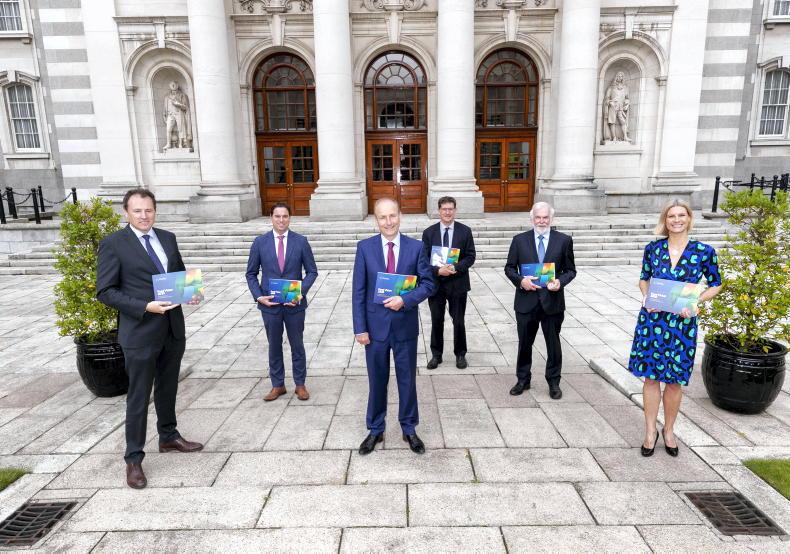
The Conference of the Parties, better known as COP, started its 30th meeting with a gathering of world leaders including the Taoiseach on Thursday this week and the formal summit will run from Monday 10 November until Friday 21 November.
Originally established in 1992 under the UN framework convention on climate change, the forum now has close to 200 member countries that are committed to finding a way to deal with climate change.
This meeting will be hosted by Brazil for the first time and the location is in Belem, which is known as the gateway to the Amazon.
The buildup to this year’s event has been more low key than usual.
As well as the conflicts in Ukraine and Gaza, trade discussions - frequently including the US - have tended to dominate global international exchanges this year.
There is also concern that with the US withdrawal from the Paris climate agreement, progress will be difficult to achieve at COP 30.
Of course, 10 years on from the Paris agreement in 2015 to restrict global temperature increase to 1.5 degrees Celsius, it is questionable what progress has been made to date.
Food and climate
Tom Arnold has had long-standing engagement with international affairs and remains a keen observer of the challenge to produce food sustainably to feed the world.
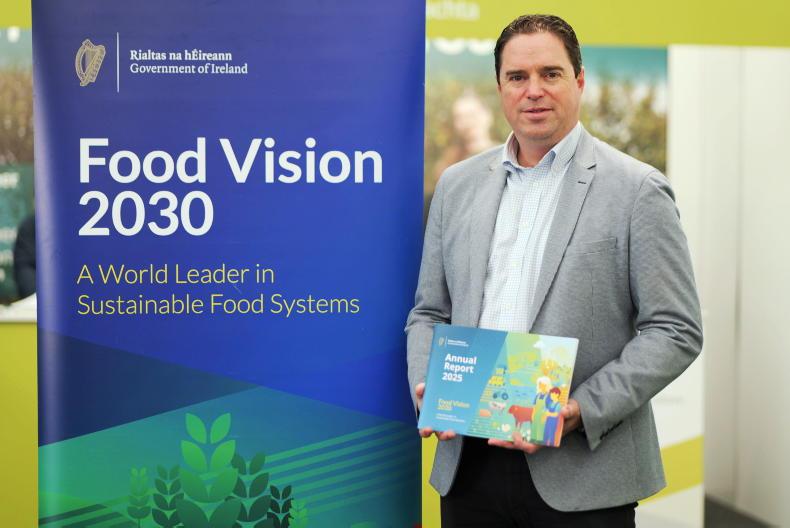
He is best known to Irish farmers for his role in chairing the group that put together Food Vision 2030 and is currently chair of Ireland’s Africa rural development committee.
The Irish Farmers Journal spoke with him earlier this week to get his thoughts on how to sustainably feed the global population, including the African continent, where much of global hunger remains.
Starting with COP 30, he isn’t particularly negative about its prospects. He spoke of having spent some time in Brazil earlier this year and was impressed with the preparations that were being made.
“From talking to people on my visit, I could see that they were putting a lot of effort into preparation and they are really keen to focus on agreements already made and measure progress on these as opposed to setting new targets.”
He also learned that “they want to make the link between climate and food and hunger and they proposed, and this was very much their initiative”.
This took the shape of the formation of the Global Alliance Against Hunger and Poverty announced at the G20 leaders meeting in October last year and now has over 100 member countries including Ireland.
Food Vision 2030
Tom takes the view that while this doesn’t involve anything particularly new for Ireland, it was “really just repeating commitments that they'd made elsewhere".
"But when you put them together, they look quite substantial.”
This, he believes, will further reinforce food and climate which very much “comes home to roost” in Africa where “the impact of climate change is directly having an effect on food production”.
Bringing the issue back to Irish agriculture, we asked him about how this all applies to Irish agriculture and was Food Vision 2030 - in which he was deeply involved - a guiding star for our industry.
His response was an enthusiastic: “Not only is it a good guiding star, I think it's a uniquely positive and advantageous guiding star.”
When asked to elaborate, he explained: “We're getting it right in terms of linking food, good food, nutrition, good, safe and quality food, the impact of nutrition, the impact on health and the linkage that it has on climate."
The first United Nations Framework Convention on Climate Change annual meeting - or COP 1 - was held in Germany in 1995.
There can be a debate about what has been achieved in the 30 years since about what progress society has made to reduce emissions and limit the increase in global warming.
A necessary starting point is recognising that there is a problem.
Thirty years after the first COP, there is now general acceptance that climate change is happening and that there is a man-made element to this.
However, the challenge remains, which is taking the necessary measures to tackle climate change and, for farmers, that remains producing food in the most sustainable way possible.