



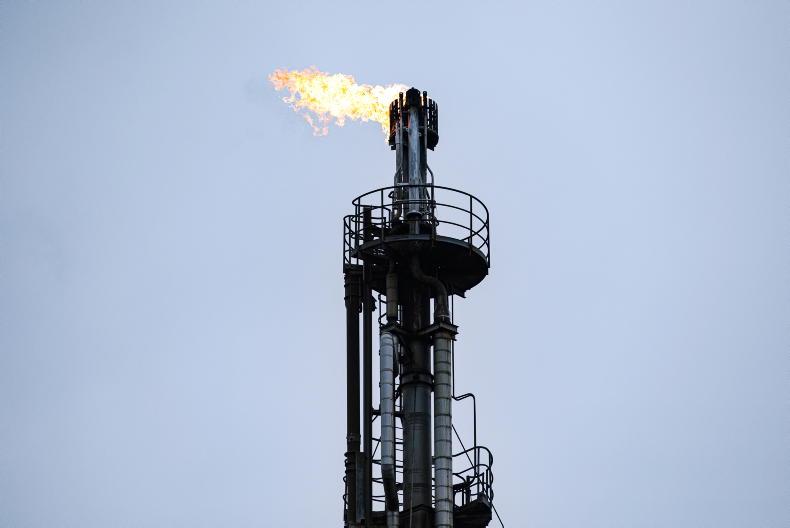
The relief for international energy markets from the peace talks between the US and Iran has proved to be short-lived.
The resumption of hostilities, the declaration from US President Donald Trump that the “ceasefire is over” and a fresh closure of the Strait of Hormuz means that benchmark crude oil prices have pushed significantly higher again.
At the time of writing a barrel of Brent crude was trading above $87 (€76.30) – over 20% higher than the level seen a week ago when progress towards peace seemed to be on track.
While the current level remains well below what was seen in April and May, the jump in crude means that prices at the pump will likely start to move higher soon.
However, looking at diesel futures prices on international exchanges it is clear that there is more than the conflict in the Middle East pushing fuel prices higher.
The last week has seen diesel future prices increase at a faster pace than the underlying oil price (see Figure 1).
The answer to what is going on is to be found in Russia. In recent months Ukrainian forces have increased their attacks on Russian fuel infrastructure.
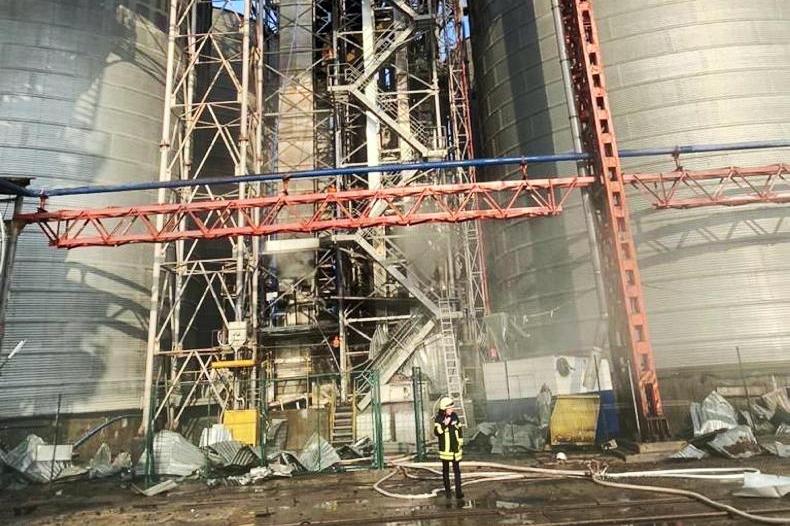
The country’s refineries have been particularly targeted, pushing capacity to the lowest level since 2005. Analysts’ estimates suggest that between 25% and 40% of Russian refining is now offline. This has led to fuel shortages in some parts of Russia, a situation the government there has reacted to by introducing a ban of exports of diesel.
While Europe stopped importing diesel from Russia in the wake of the invasion of Ukraine, the halting of Russian exports is having an effect on global diesel prices. The situation for Ireland is similar to the price spike in fertiliser seen after the initial closure of the Strait of Hormuz in March. While Ireland (and Europe) sources very little of its fertiliser supply from the region, the countries reliant on that supply started competing for fertiliser in the places where Ireland normally secures supply, leading to higher prices.
The exact same thing is starting to happen in the diesel market. The US is the world’s largest exporter of diesel fuel and refineries there will always sell their product where the margin is highest. Those refiners had already started selling more diesel into the Asia in recent months to make up for supply lost through the Gulf. The cutting off of Russian supply will only further encourage shipments from the US to the region, forcing European buyers to pay more to obtain what is needed.
Irish picture
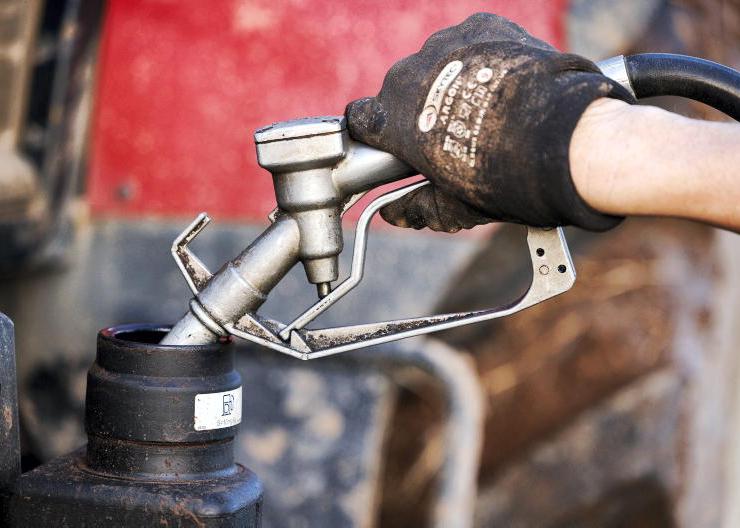
Ireland, with only one refinery and low levels of commercial storage of refined products on the island, has very little in by way of a buffer from these changes in diesel prices. This means that the country will see this change in the price of diesel feed through to the pump in the coming days. In fact, a recent report from the Sustainable Energy Authority of Ireland found that Ireland is among the most energy vulnerable countries in Europe, importing 78.2% of total energy needs. The average across the EU 57.3%.
It is not clear what can be done in the short term to shelter Irish farmers and consumers from the coming rise in diesel prices. The government have already extended the cuts in excise duties and levies on diesel to the end of August. There is no willingness to reduce carbon taxes on fuel. This means that, in effect, there is little that can be done if there is another rapid rise in prices.
While there are measures than can be put in place over the medium- to longer-term to reduce Ireland’s reliance on imported fuel, none of those measures will help farmers put diesel in their tractors and machines during what’s left of the busy summer season.
Trump’s latest escalation in the Gulf is bad news for Irish farmers, businesses and consumers. The banning of Russian diesel exports only serves to add to that pressure.
Once again, it is unclear when, or if, both of those conflicts which are driving the shortages will cool down enough to allow trade to resume. It is also clear, once more, that Ireland’s reliance on imported energy exposes the country to risks which we have little control over.
The scale of that helplessness is apparent in the government’s inability to do very much about the price rises. Cuts to duties and levies, which have been extended to the end of August, have taken away some of the worst of the immediate effects. But those cuts are necessarily only short-term measures which will have to be reintroduced in future.
Ireland has the potential to become more energy independent through increases in electrification and domestic electricity production. While policies to help that transition will have little effect during the current crisis, they will pay dividends over the longer term. The best time to make those necessary investments was before the current crisis began, the second-best time is today.




SHARING OPTIONS