AHDB beef import data shows that Ireland’s share of UK beef imports fell 3.5% between January and May this year.
Overall the UK beef imports during this period increased to 100,779 tonnes (t) of fresh and frozen beef, slightly more than the 100,334t imported in the same period last year. Ireland supplied 74,725t, down from 77,400t between January and May last year, see Figure 1.
Poland was the next-largest supplier with 8,701t up from 7,261t in the year before.
Brazil, Australia and New Zealand are all relatively small suppliers of UK beef imports but each increased their volumes significantly this year. Imports from Brazil increased from 1,646t between January and May 2024 to 3,455t this year while Australian supplies also doubled from 1,628t to 3,280t.
New Zealand increased from 1,617t to 2,772t and interestingly export data from the Meat Industry Association in New Zealand shows that for June this year, 2,603t were exported to the UK which was almost five times as much as was exported in the same month last year. Supplies from the Netherlands were lower for the first five months of the year down from 3,517t to 2,125t.
The UK is a major net beef importer as it typically produces just 80% of the beef that is consumed. Production has fallen in the first half of 2025 by 3.4% to 375,400t, so that means an increase in demand for imported beef.
Market variations
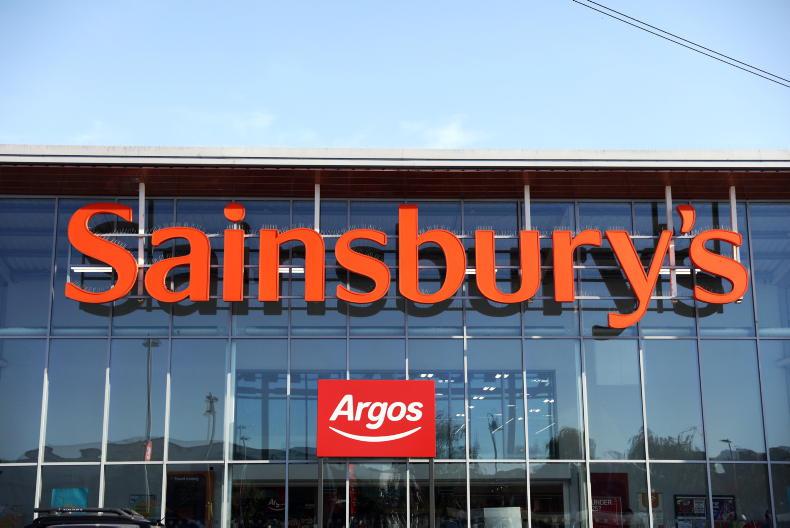
Irish fresh beef exports to the UK had been underpinned by the policy of Tesco, Sainsbury’s and Asda to buy only British and Irish beef until May this year.
Since then they each have trialled imported beef ranges and it will be interesting to see if these become a more permanent feature of their beef offering in the longer term.
Meeting supermarket’s just in time delivery schedules requires geographical closeness to distribution centres and finely tuned logistics.
This gives Ireland a particular advantage in supplying fresh beef to supermarkets which is also aided by the ABP, Kepak and Dawn Meats who all operate both sides of the Irish sea.
The Irish Farmers Journal knows of at least one problem with an imported delivery failing to arrive on schedule. That experience means that British and Irish beef will always be the core supply for the UK retail sector but imports from elsewhere are likely to remain part of the mix.
Frozen beef is more widely used in catering and food service businesses and there is greater flexibility with delivery schedules.
It is unsurprising therefore that this is the category where Irish supplies have been replaced to the greater extent with frozen volumes down 8.6% while fresh beef volumes fell by just over 1%.
Given the drop in the Irish cattle kill in recent weeks, it would be unsurprising if this trend continues for the remainder of the year especially if prices remain at or close to current levels.
In brief:
UK imported over 100,000t of beef January-May 2025.74,725t supplied by Ireland.3.5% less beef imported from Ireland this year.Other countries increased their market share.
AHDB beef import data shows that Ireland’s share of UK beef imports fell 3.5% between January and May this year.
Overall the UK beef imports during this period increased to 100,779 tonnes (t) of fresh and frozen beef, slightly more than the 100,334t imported in the same period last year. Ireland supplied 74,725t, down from 77,400t between January and May last year, see Figure 1.
Poland was the next-largest supplier with 8,701t up from 7,261t in the year before.
Brazil, Australia and New Zealand are all relatively small suppliers of UK beef imports but each increased their volumes significantly this year. Imports from Brazil increased from 1,646t between January and May 2024 to 3,455t this year while Australian supplies also doubled from 1,628t to 3,280t.
New Zealand increased from 1,617t to 2,772t and interestingly export data from the Meat Industry Association in New Zealand shows that for June this year, 2,603t were exported to the UK which was almost five times as much as was exported in the same month last year. Supplies from the Netherlands were lower for the first five months of the year down from 3,517t to 2,125t.
The UK is a major net beef importer as it typically produces just 80% of the beef that is consumed. Production has fallen in the first half of 2025 by 3.4% to 375,400t, so that means an increase in demand for imported beef.
Market variations
Irish fresh beef exports to the UK had been underpinned by the policy of Tesco, Sainsbury’s and Asda to buy only British and Irish beef until May this year.
Since then they each have trialled imported beef ranges and it will be interesting to see if these become a more permanent feature of their beef offering in the longer term.
Meeting supermarket’s just in time delivery schedules requires geographical closeness to distribution centres and finely tuned logistics.
This gives Ireland a particular advantage in supplying fresh beef to supermarkets which is also aided by the ABP, Kepak and Dawn Meats who all operate both sides of the Irish sea.
The Irish Farmers Journal knows of at least one problem with an imported delivery failing to arrive on schedule. That experience means that British and Irish beef will always be the core supply for the UK retail sector but imports from elsewhere are likely to remain part of the mix.
Frozen beef is more widely used in catering and food service businesses and there is greater flexibility with delivery schedules.
It is unsurprising therefore that this is the category where Irish supplies have been replaced to the greater extent with frozen volumes down 8.6% while fresh beef volumes fell by just over 1%.
Given the drop in the Irish cattle kill in recent weeks, it would be unsurprising if this trend continues for the remainder of the year especially if prices remain at or close to current levels.
In brief:
UK imported over 100,000t of beef January-May 2025.74,725t supplied by Ireland.3.5% less beef imported from Ireland this year.Other countries increased their market share. 





SHARING OPTIONS