



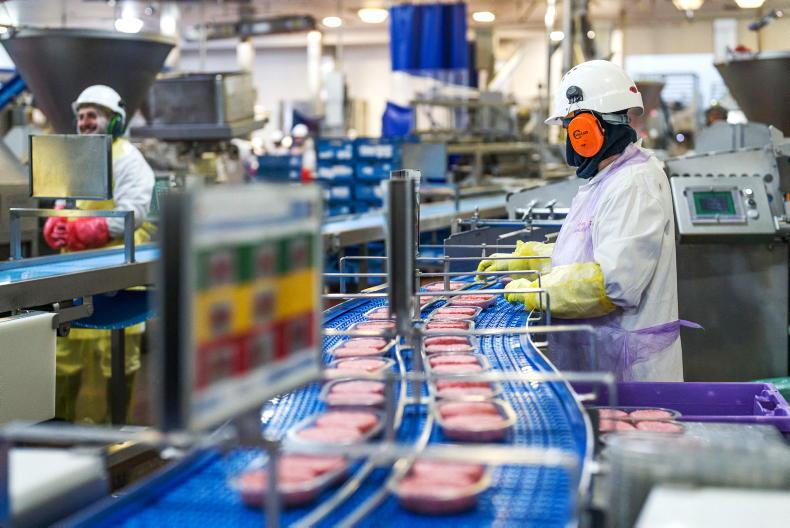
AHDB data highlights a year-on-year decline in the number of small abattoirs processing cattle and sheep in England.
Figure 1 shows that the overall number of factories processing cattle has fallen from 154 in 2017 to 118 in 2024 while the number processing sheep has fallen from 150 to 115, a reduction of almost one quarter in both cases.
The greatest decline is witnessed in abattoirs processing fewer than 1,000 cattle annually. In 2019 there were 64 of these abattoirs processing cattle, by 2024 this had fallen to 50.
At the other end of the scale, there were two fewer factories killing over 50,000 cattle in 2024 than there were in 2019.
It was a slightly different overall trend with sheep processing abattoirs.
There are actually seven more small abattoirs killing fewer than 1,000 sheep in 2024 than there were in 2023 though there were ten fewer factories processing between 1,000 and 10,000 head.
Big factories take most cattle and sheep
While small abattoirs are still the largest category the share of the cattle and sheep kill they handle is very small.
In 2024, the 50 smallest abattoirs had less than 1% of the total factory kill in England while the 22 factories that killed over 30,000 cattle were responsible for more than 82% of all cattle.
It was a similar picture with sheep as the 40 smallest handled just 0.7% of the total sheep kill while almost 88% of lambs were processed in the 23 largest factories with over 100,000 head throughput.
AHDB point out that “while consolidation offers efficiency gains and economies of scale, it also increases the sector’s exposure to disruption if fewer sites are relied upon,” and that “despite overall capacity being maintained, the closure of small abattoirs is detrimental to the wider supply chain.”
AHDB recognises that small abattoirs cannot compete with large ones in terms of efficiency but that they have unique selling points and have the flexibility to diversify and offer additional services on a local basis. Larger processors have the capacity to invest in technology and automation that helps address the issue of labour shortages.
– PHELIM O’NEILL
While the AHDB data is for England, the trend in Ireland over recent decades is for large factories to grow and small local abattoirs to close.
Much of the issue with small abattoirs has been around compliance with demanding legislation which often costs more than the business could afford.
Also, as the Irish beef and sheep meat export business developed, capital investment was frequently assisted by Government and EU grant support.
This helped them become ultra-efficient businesses and in the process making it more difficult for small processors to compete for livestock if they didn’t have particularly high-value niche markets to sell into.
The move from small to large abattoirs over time also reflects the change in consumer purchasing patterns.
Shoppers now buy more of their beef and lamb than ever before in supermarkets whereas in the past the local butcher was the main source for shoppers.
As supermarket dominance increased, they looked to the biggest factories to fill their large orders.
Small factories – as well as butchers– get squeezed out as a result.



SHARING OPTIONS