Dutch-headquartered dairy multinational FrieslandCampina posted a €363m half-year operating profit, up from €301m for the same period last year.
The net result of €230m was also an improvement on the €180m posted for the same period in 2024.
This was achieved on sales revenue of €6.8bn, an increase of 6.4% on the first half of last year, with higher market prices offsetting a fall in milk supply in the first half of 2025.
The volume processed was down 1.5% in the period to 4.6 billion kilogrammes (kg) (4.46 billion litres).
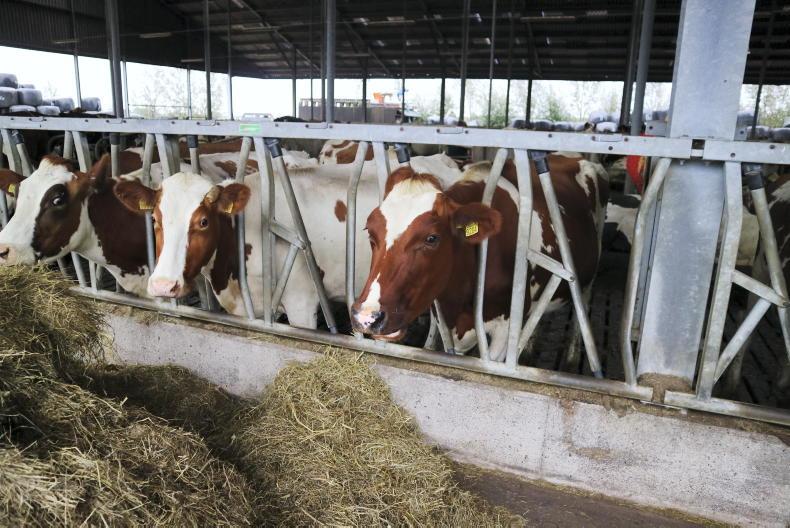
FrieslandCampina says that this was mainly due to “farm closures resulting from an ageing population of farmers and ongoing uncertainty in the sector”. It also pointed out that it was recruiting new supplier members, whom they expected to make a significant contribution to milk supply.
Milk price
The guaranteed milk price paid by the company in the first half of the year increased by just under 20% to €55.63 per 100kg, which works out at almost 54c per litre.
However, the pro forma milk price paid was €59.66 per 100kg, the equivalent of 57.8c per litre.
There will be no interim supplementary cash payment made to suppliers, as this will made based on the full-year results which are due to be published in February 2026.
Farmer members were paid €228m for their sustainability performance in 2024, which was down €17m compared with the previous year.
FrieslandCampina says that this was “related to the annual refinement of the climate threshold and top value within the framework of Foqus [sic] planet sustainable development”.
It also referred to 2024 being a challenging year for harvesting and grazing, with bluetongue also contributing to making farming conditions more difficult.
Outlook for second half
While commenting on the overall strength of the business, FrieslandCampina was cautious about prospects for the second half of 2025.
It referred to facing “several headwinds that were not present in 2024 or earlier in 2025”. It also reflected on “consumer confidence being low worldwide”, which it says will have a negative impact on demand.
Currency developments are also causing FrieslandCampina concern, as are commodity dairy markets, which are heading the wrong way. The combination of these factors is expected to cause lower profitability.
What is FrieslandCampina?
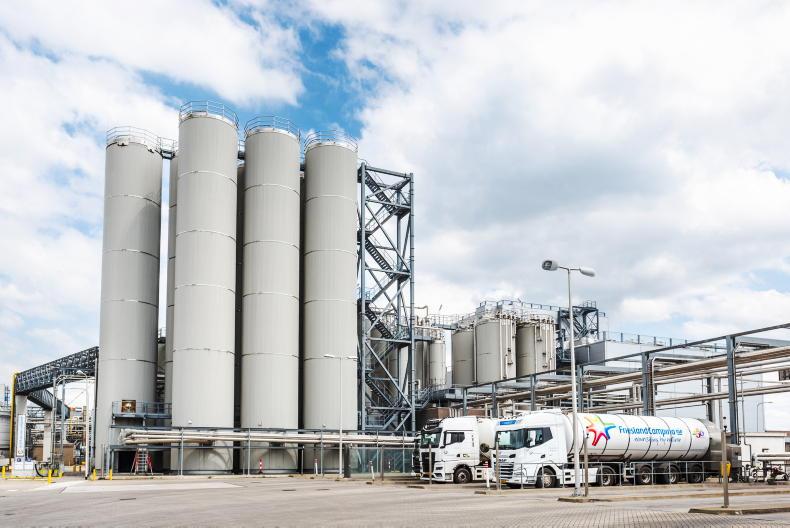
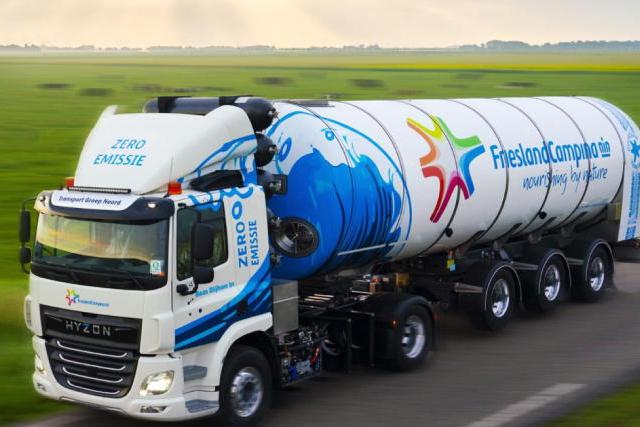
FrieslandCampina is a major multinational dairy-based business headquartered in the Netherlands. It is a farmer-owned co-operative with over 14,000 dairy farmer members in the Netherlands, Belgium and Germany.
It sells to more than 100 countries around the world and has a presence in 30 countries, with 19,500 employees.
Comment – are clouds gathering?
Given the strong first-half performance, the outlook presented by FrieslandCampina may appear unduly negative.
However, a level of caution is understandable given the uncertainty that hangs over the EU, with the risk of 30% tariffs on exports to the US if a trade agreement isn’t reached.
While the Irish dairy industry is arguably even more exposed to the US market, the reality is that anything that causes disruption in one part of the world is likely to have reverberations well beyond the region or countries involved.
The other reality for business leaders in providing a forecast – it is much easier to reflect on why results turned out better than expected than trying to explain why they didn’t meet expectations.
Dutch-headquartered dairy multinational FrieslandCampina posted a €363m half-year operating profit, up from €301m for the same period last year.
The net result of €230m was also an improvement on the €180m posted for the same period in 2024.
This was achieved on sales revenue of €6.8bn, an increase of 6.4% on the first half of last year, with higher market prices offsetting a fall in milk supply in the first half of 2025.
The volume processed was down 1.5% in the period to 4.6 billion kilogrammes (kg) (4.46 billion litres).
FrieslandCampina says that this was mainly due to “farm closures resulting from an ageing population of farmers and ongoing uncertainty in the sector”. It also pointed out that it was recruiting new supplier members, whom they expected to make a significant contribution to milk supply.
Milk price
The guaranteed milk price paid by the company in the first half of the year increased by just under 20% to €55.63 per 100kg, which works out at almost 54c per litre.
However, the pro forma milk price paid was €59.66 per 100kg, the equivalent of 57.8c per litre.
There will be no interim supplementary cash payment made to suppliers, as this will made based on the full-year results which are due to be published in February 2026.
Farmer members were paid €228m for their sustainability performance in 2024, which was down €17m compared with the previous year.
FrieslandCampina says that this was “related to the annual refinement of the climate threshold and top value within the framework of Foqus [sic] planet sustainable development”.
It also referred to 2024 being a challenging year for harvesting and grazing, with bluetongue also contributing to making farming conditions more difficult.
Outlook for second half
While commenting on the overall strength of the business, FrieslandCampina was cautious about prospects for the second half of 2025.
It referred to facing “several headwinds that were not present in 2024 or earlier in 2025”. It also reflected on “consumer confidence being low worldwide”, which it says will have a negative impact on demand.
Currency developments are also causing FrieslandCampina concern, as are commodity dairy markets, which are heading the wrong way. The combination of these factors is expected to cause lower profitability.
What is FrieslandCampina?
FrieslandCampina is a major multinational dairy-based business headquartered in the Netherlands. It is a farmer-owned co-operative with over 14,000 dairy farmer members in the Netherlands, Belgium and Germany.
It sells to more than 100 countries around the world and has a presence in 30 countries, with 19,500 employees.
Comment – are clouds gathering?
Given the strong first-half performance, the outlook presented by FrieslandCampina may appear unduly negative.
However, a level of caution is understandable given the uncertainty that hangs over the EU, with the risk of 30% tariffs on exports to the US if a trade agreement isn’t reached.
While the Irish dairy industry is arguably even more exposed to the US market, the reality is that anything that causes disruption in one part of the world is likely to have reverberations well beyond the region or countries involved.
The other reality for business leaders in providing a forecast – it is much easier to reflect on why results turned out better than expected than trying to explain why they didn’t meet expectations.
SHARING OPTIONS