


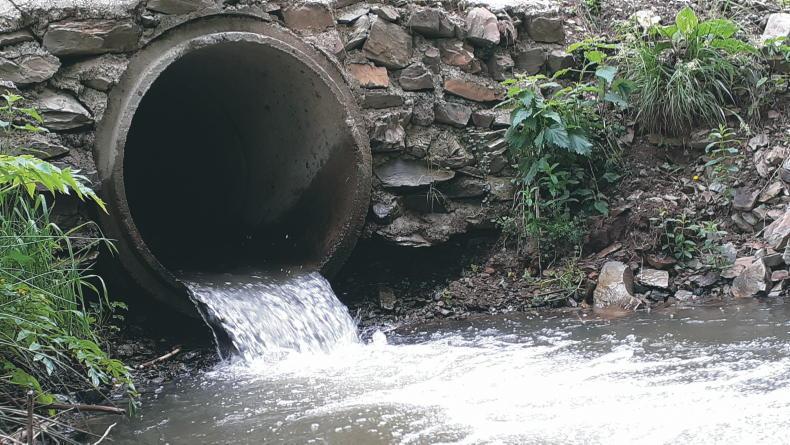
NI farmers who breach new Farm Sustainability Standards (FSS) will have to complete online training offered by DAERA before farm payments will be issued to their businesses.
New standards and an associated penalty matrix, are replacing the current system of cross-compliance from 1 January 2026 and will apply to all DAERA schemes going forward. According to the department, it is a significant change of approach, with rules that are more relevant to NI agriculture.
“A farmer taking reasonable care should have little difficulty in meeting them. They are minimum standards and are not intended to be excessive or onerous,” said Anna Campbell from DAERA.
Briefing the Stormont Agriculture Committee, Campbell said the department wants to help farmers comply with the standards, not punish them. If there is non-compliance, DAERA will try to change behaviours by communicating with farmers.
“Letters will inform the farmer of the nature of the breach and what they should do to improve and meet that standard. We will introduce participation in mandatory, standard specific, online training following a breach, to minimise repeat breaches,” she said.
Penalties
There are also changes in the way penalties will be assessed. The concept of intentional breaches, which currently attract higher rates of penalties than negligent breaches, has been removed and instead non-compliances will be measured against the severity of their impact. A low-level breach will still attract a 1% penalty.
Also changing is how repeat breaches are considered. Under the current system, for every repeat negligent breach (even if it has moved to a low-level offence), the penalty is tripled each time to a maximum of 15%, while for each repeat intentional breach, it is doubled each time, until it reaches 100%.
When the new system comes into play, each breach will be assessed on its own merits, explained Gregor Kerr from DAERA.
He confirmed that in the worst cases a high-level offence will attract a 50% penalty. If it is repeated on three further occasions, it would attract the maximum penalty which is a 100% reduction on all farm payments, plus no payments are made for the following two years. Where there is a criminal offence, any fines issued by a court remain separate to administrative penalties handed out by DAERA.
Inspections
Rates of inspection will remain in line with current cross compliance, which means for most of the new standards, DAERA will inspect 1% of farms annually, with some selected randomly and others based on risk of a repeat breach. Some veterinary-related standards will remain at a 3% and 5% herd inspection rate.
A review of the new farm standards is to be done in 2028.



SHARING OPTIONS