Cereal and potato growers in NI have warned that survival of their sector currently hangs in the balance.
In a working document sent to DAERA, the chairman of the Ulster Farmers’ Union (UFU) seeds and cereals committee, Richard Orr, has outlined why up to £13.5m of farm funding should be redirected at the sector.
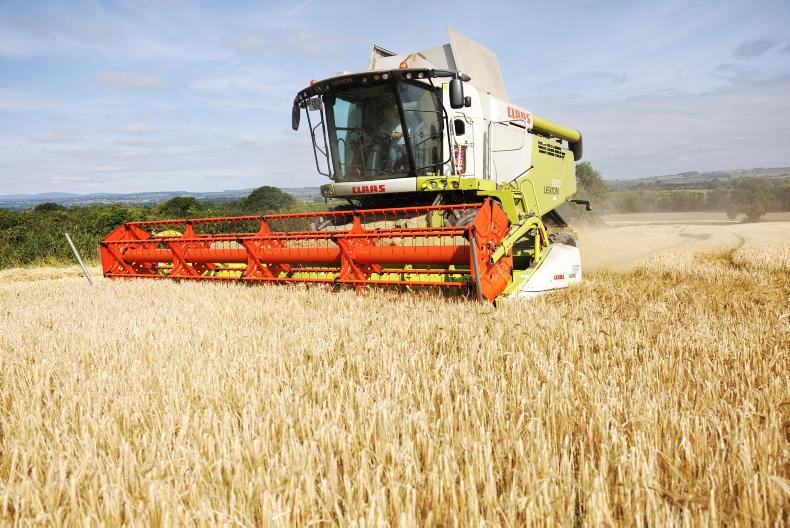
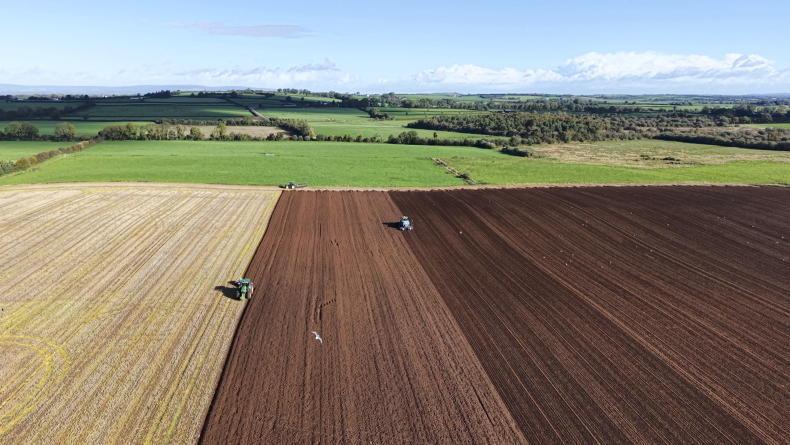
His report points out that the area of arable crops in NI has halved since 1981, with just 30,170ha of combinable cereals and 3,187ha of potatoes grown in 2025.
A lot of that reduction is due to low profitability, with DAERA figures putting average farm business income on cereal farms in 2023-2024 at just £6,215. However, there is also competition from intensive livestock farmers who need additional land for slurry exports, argues Orr.
He makes the case that the decline in crop areas is only adding to the environmental pressure on NI farming. As well as the negative impact on farmland bird populations, fewer acres of cereals grown in NI means we have to import more animal feed, thereby adding to an already large phosphorus surplus. At recent rates of decline, NI has to import an additional 60,000t of grain every year to bridge the gap.
“According to DAERA, 80% of NI phosphate load comes from animal feed. The arable sector can be part of that solution,” states the report.
However, that solution also depends on livestock producers and cereal growers working together by the likes of trading straw, with resultant farmyard manure sent back to growers.
It would also require a change of mindset among those importing straw from blackgrass regions and various parts of mainland Europe with unknown weed and disease status.
“Long term this has potential to bring severe integrated pest management challenges to the arable sector with an ever-decreasing toolbox of chemicals,” notes the Orr report.
Support
To give immediate confidence to the industry, Orr suggests a £250/ha flat rate payment is necessary on all combinable cereals and potato crops, to be in place for a minimum of five years. Assuming the NI crop area rises to 40,000ha, it would be a potential expenditure of £10m per year.
Longer-term, the report suggests that NI feed rations should have a minimum percentage rate of native home-grown grain.
Protein crops
He would also like to see changes made to the pilot protein crops scheme, which is due to end this year and currently pays £330/ha to grow beans and lupins.
However, while there is funding for up to 1,300ha, the area in the scheme dropped from 804ha in 2024 to 480ha in 2025. The Orr report wants the scheme to continue beyond 2026, but with a higher payment rate of £520/ha to bring it closer to a similar scheme in the Republic of Ireland (ROI).
Additionally, the UFU seeds and cereals chair suggests the scheme is expanded, with an additional 1,300ha where companion protein crops are grown, including with oilseed rape. Payment rate in this scheme is proposed at £260/ha.
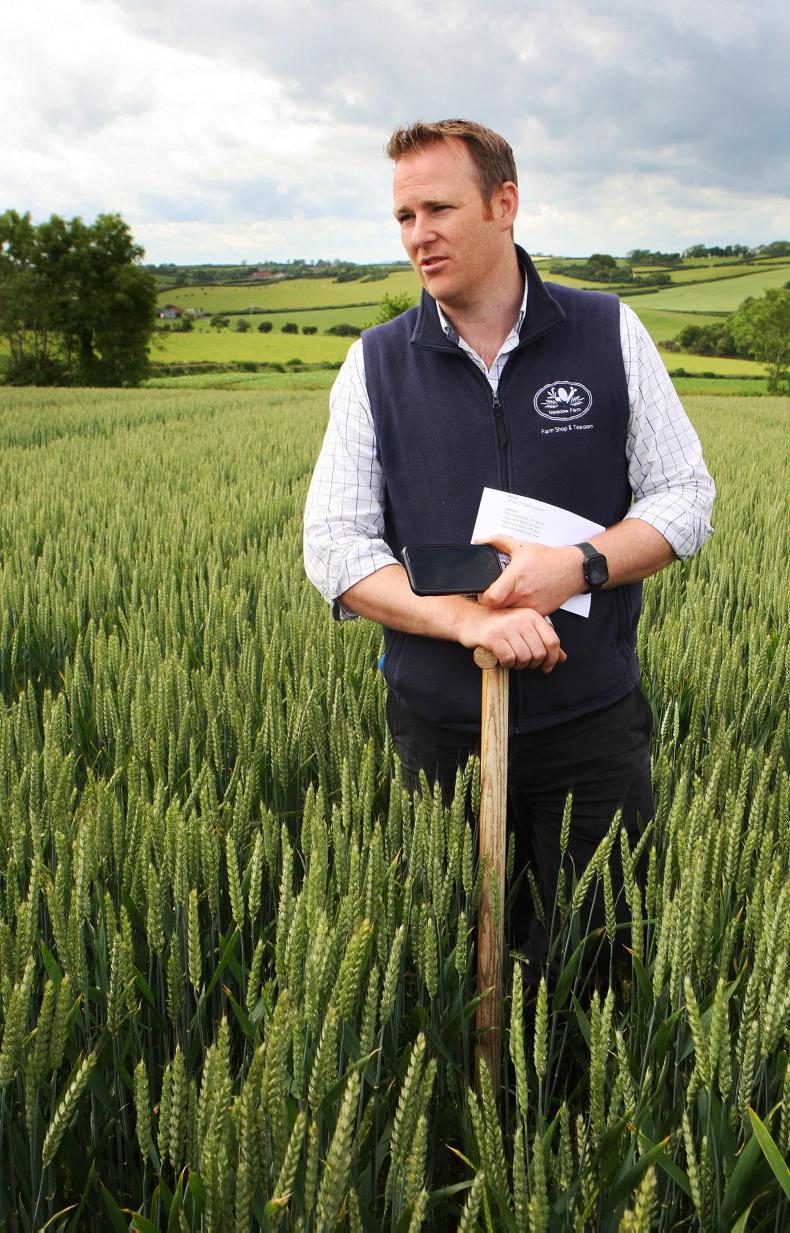
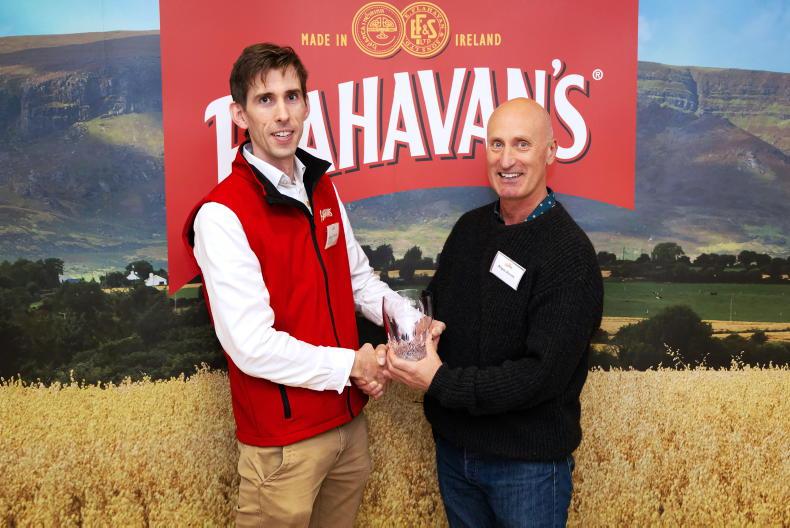
UFU seeds and cereals committee chair, Richard Orr. \ Houston Green
Straw
Also included in the report is the potential for a straw chopping scheme, similar to what has existed in ROI, with the aim to improve soil health, carbon in soils and reduce requirements for potash fertiliser.
It would have a payment of £250/ha on a minimum of 5ha, up to a maximum of 60ha or £15,000 per farm business. Orr suggests the scheme should be capped at £2.5m per year.
The final part of his report highlights some issues with the Farming with Nature scheme, including the need for more flexibility around dates when growing cover crops and when planting out field margins in cover crops or wildflowers.
Cereal and potato growers in NI have warned that survival of their sector currently hangs in the balance.
In a working document sent to DAERA, the chairman of the Ulster Farmers’ Union (UFU) seeds and cereals committee, Richard Orr, has outlined why up to £13.5m of farm funding should be redirected at the sector.
His report points out that the area of arable crops in NI has halved since 1981, with just 30,170ha of combinable cereals and 3,187ha of potatoes grown in 2025.
A lot of that reduction is due to low profitability, with DAERA figures putting average farm business income on cereal farms in 2023-2024 at just £6,215. However, there is also competition from intensive livestock farmers who need additional land for slurry exports, argues Orr.
He makes the case that the decline in crop areas is only adding to the environmental pressure on NI farming. As well as the negative impact on farmland bird populations, fewer acres of cereals grown in NI means we have to import more animal feed, thereby adding to an already large phosphorus surplus. At recent rates of decline, NI has to import an additional 60,000t of grain every year to bridge the gap.
“According to DAERA, 80% of NI phosphate load comes from animal feed. The arable sector can be part of that solution,” states the report.
However, that solution also depends on livestock producers and cereal growers working together by the likes of trading straw, with resultant farmyard manure sent back to growers.
It would also require a change of mindset among those importing straw from blackgrass regions and various parts of mainland Europe with unknown weed and disease status.
“Long term this has potential to bring severe integrated pest management challenges to the arable sector with an ever-decreasing toolbox of chemicals,” notes the Orr report.
Support
To give immediate confidence to the industry, Orr suggests a £250/ha flat rate payment is necessary on all combinable cereals and potato crops, to be in place for a minimum of five years. Assuming the NI crop area rises to 40,000ha, it would be a potential expenditure of £10m per year.
Longer-term, the report suggests that NI feed rations should have a minimum percentage rate of native home-grown grain.
Protein crops
He would also like to see changes made to the pilot protein crops scheme, which is due to end this year and currently pays £330/ha to grow beans and lupins.
However, while there is funding for up to 1,300ha, the area in the scheme dropped from 804ha in 2024 to 480ha in 2025. The Orr report wants the scheme to continue beyond 2026, but with a higher payment rate of £520/ha to bring it closer to a similar scheme in the Republic of Ireland (ROI).
Additionally, the UFU seeds and cereals chair suggests the scheme is expanded, with an additional 1,300ha where companion protein crops are grown, including with oilseed rape. Payment rate in this scheme is proposed at £260/ha.

UFU seeds and cereals committee chair, Richard Orr. \ Houston Green
Straw
Also included in the report is the potential for a straw chopping scheme, similar to what has existed in ROI, with the aim to improve soil health, carbon in soils and reduce requirements for potash fertiliser.
It would have a payment of £250/ha on a minimum of 5ha, up to a maximum of 60ha or £15,000 per farm business. Orr suggests the scheme should be capped at £2.5m per year.
The final part of his report highlights some issues with the Farming with Nature scheme, including the need for more flexibility around dates when growing cover crops and when planting out field margins in cover crops or wildflowers.
SHARING OPTIONS