


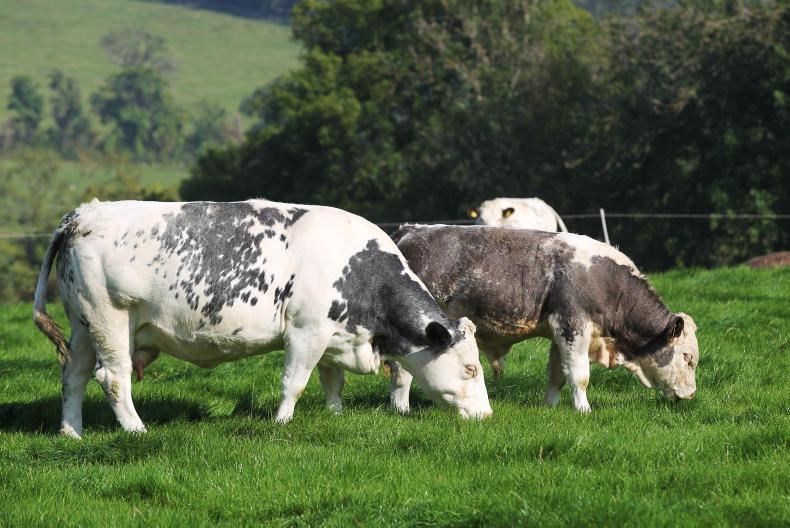
BDGP stock bull requirements: Participants in BDGP who use a stock bull must have an eligible stock bull on the holding on 30 June 2019. To be eligible, the bull must be four or five stars on the replacement or terminal index within or across breed on its first genomic evaluation or its genomic evaluation at the time of purchase.
Farmers can check stock bull eligibility at www.icbf.com. Where farmers are unable to access the profile themselves, they should contact ICBF on 023-883 2883. The next ICBF update of its €uro-Star evaluations takes place on 21 May.
There is an allowance being made available which allows the next subsequent evaluation on 22 July to be taken into account to meet the 30 June target.
However, you need to order a hair card as soon as possible from ICBF and get DNA samples returned to the lab by Wednesday 15 May to be included in the 22 July evaluation.
Breeding: Breeding has started on many early spring-calving farms around the country.
Some farmers are using AI for a few weeks at the start to try to breed replacements and then use a terminal stock bull for the rest of the breeding season.
If using AI, good heat detection is extremely important to get good conception rates.
Table 1 outlines the importance of conception and submission rate to high six-week in-calf rates.
Tail paint, vasectomised bulls and taking time to heat detect are all very important in achieving high conception rates.
While best results will be achieved using the AM-PM rule (cows seen in heat in the morning are bred in evening and cows in heat in the evening are bred in the morning).
Some herds, including the Tullamore Farm and Newford Herd, are just inseminating cows once a day at midday and achieving good results.
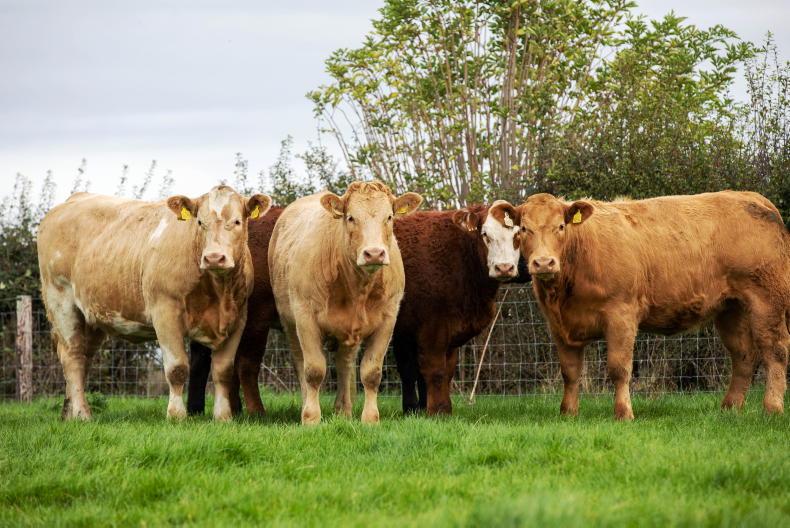
Dairy sires: Some dairy calf to beef farmers are going to dairy farms with a proposal to use certain beef bulls and then agreeing to buy these calves back in spring 2020.
A lot of dairy farmers currently make their beef sire choices around easy calving and short gestation without paying any attention to carcase weight or conformation attributes.
Low carcase weight and poor conformation has meant profitability of finishing these animals has been poor, with very low carcase weights and poor grades being achieved from some of the sires being used. Is there potential to go to a neighbouring dairy farm with a list of sires to use?



SHARING OPTIONS