


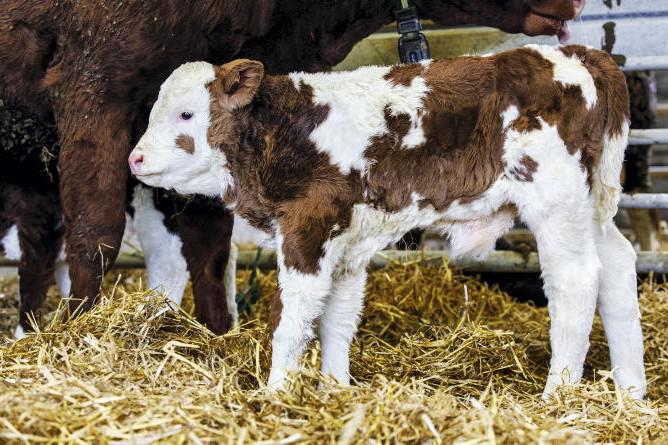
Colostrum management: getting enough high-quality colostrum in to calves is the first key step to ensuring they get off to a healthy start; calves that do not receive enough adequate colostrum are on the back foot straight away, and will likely be plagued with illness down the line.
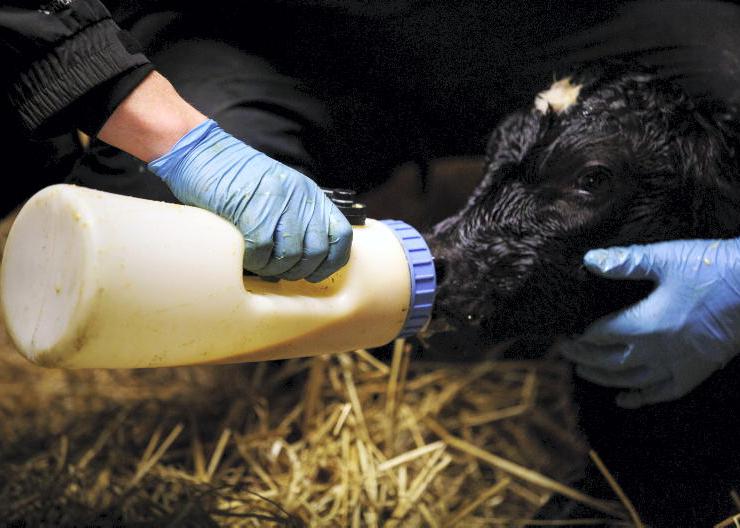
While most dairy calves are stomach tubed or fed from a bottle and teat, the majority of beef calves will suckle directly from their mother, so ascertaining how much they actually drink can be difficult. The important thing to do is to handle the cow and ensure there is some volume of colostrum there.
All teats should ideally be drawn; this is particularly important where teat sealers have been used as it can be extremely difficult for a calf to break this seal, which is why sealers are not recommended for cows with temperament issues at calving.
Observe the calf over the first two hours to ensure that they have suckled. If they haven’t and the cow has sufficient colostrum, then the calf can be put suckling or the cows milked and the calf stomach tubed. It’s critical that calves receive colostrum (ideally 3l, though this can be challenging in sucklers) in the first two hours.
Where colostrum from another source is being used, it’s important to note the vaccination protocols on that farm. Any antibodies developed from vaccination pass through the dam’s milk to their calf, so sourcing from an outside herd where vaccination is not practiced could leave calves compromised.
It’s also critical that when colostrum is frozen that it is brought up to body temperature gently. Under no circumstances should a microwave be used to thaw colostrum, as this will kill many of the essential antibodies contained in it, rendering it useless.
Slurry: zone A and B farmers have been free to spread slurry over the last week or so, though little movement of slurry has been seen owing to poor ground conditions. Some farmers have been getting by where tanks are full by picking and choosing ground carefully. Buffer zones surrounding watercourses extends to 10m for the first two weeks after the open period.
Ideally, any slurry produced on-farm should be held over until ground temperatures increase and grass begins to grow. Teagasc has pointed at slurry being three times more valuable when spread at optimum times of the year compared to spreading in the weeks after the closed period is opened. Where slurry is moved off your holding, then this exporting of slurry must be recorded with the department.
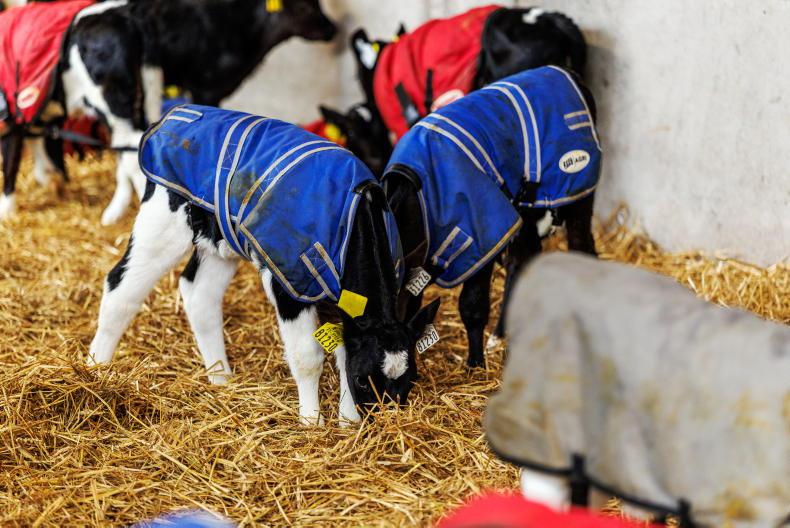
Calf accommodation: in this week’s calf focus, I visited a large-scale dairy operation in Cork where lessons have been learned and things tweaked for optimum calf comfort. Look at your own calf house before calves begin to hit the ground, as small tweaks can still be made.
A good way to assess draughts in a calf house is to kneel down to calf level. Down draughts from vented side sheeting or boarding can be eliminated by canopies such as seen on p36-38, while the importance of a deep, dry bed of straw can not be overstated.



SHARING OPTIONS