



Christopher Gill
Caledon Estate, Co Tyrone
Christopher was surprised to get out on land last week but ground travelled better than expected and was just a bit sticky and greasy on top. The usual wet spots were present but it was no worse than usual and there were no major issues.
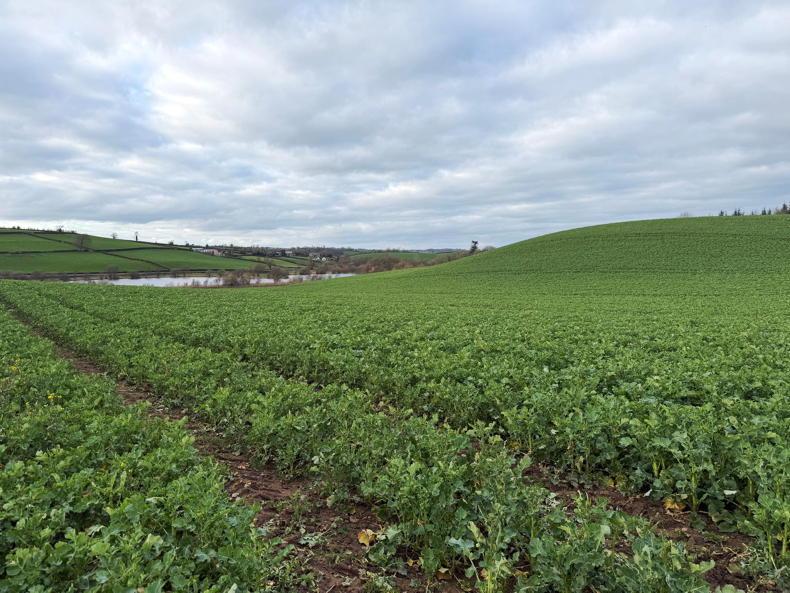
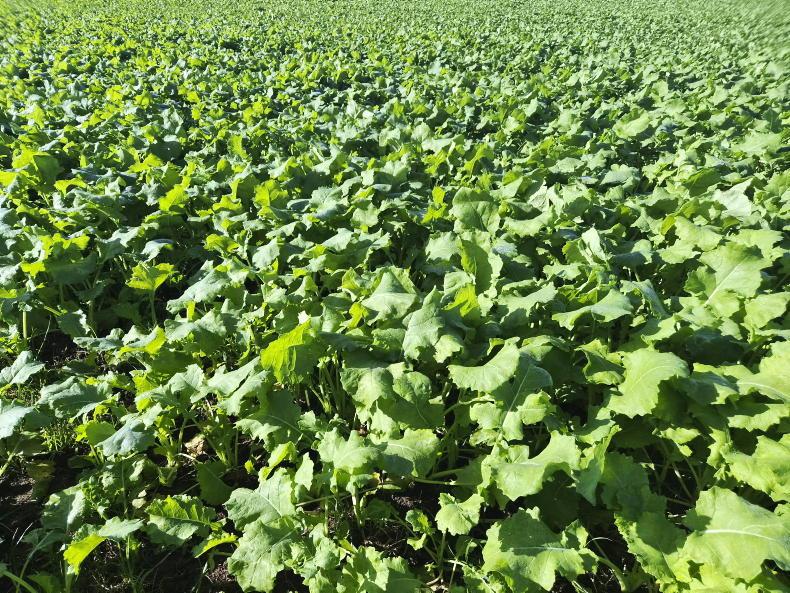
Two bags/ac of urea with sulphur was applied to the PT315 winter oilseed rape last week. The crop is progressing well and the green flower buds are just beginning to appear. Christopher aims to get boron, Caryx and Trinity onto the crop in the coming week. He says the oilseed rape looks well and it will grow quite quickly now that soil and air temperatures have improved.
Urea with sulphur was applied to the Molly winter barley, Lumaco triticale and one field of Kubik winter wheat too. The barley had started to go slightly yellow but the rest of the cereals still looked green. Christopher puts this down to the slurry and digestate applied pre-drilling. Manganese will need to be applied to the crops soon too to avoid a deficiency.
Fertiliser will be applied to the remaining wheat and the SU Baresi hybrid rye in the coming week. Pre-emergence herbicides were applied to all the cereals in the autumn and they have performed well, with the crops being pretty clean in general.
Once the ground dries out a bit more, Christopher aims to top dress the winter cereals with slurry. He uses a 24-metre dribble bar to apply 2,500 gallons/ac to the crops. The width of the dribble bar allows him to use the tramlines and reduce any crop and soil damage to an absolute minimum.
He feels that the slurry really helps the crop to move on and build a good biomass.
Christopher takes account of the exact nutrients applied to each field so that he can calculate exactly how much slurry and artificial fertilisers need to be applied.
Martin Ennis
Naul, Co Dublin
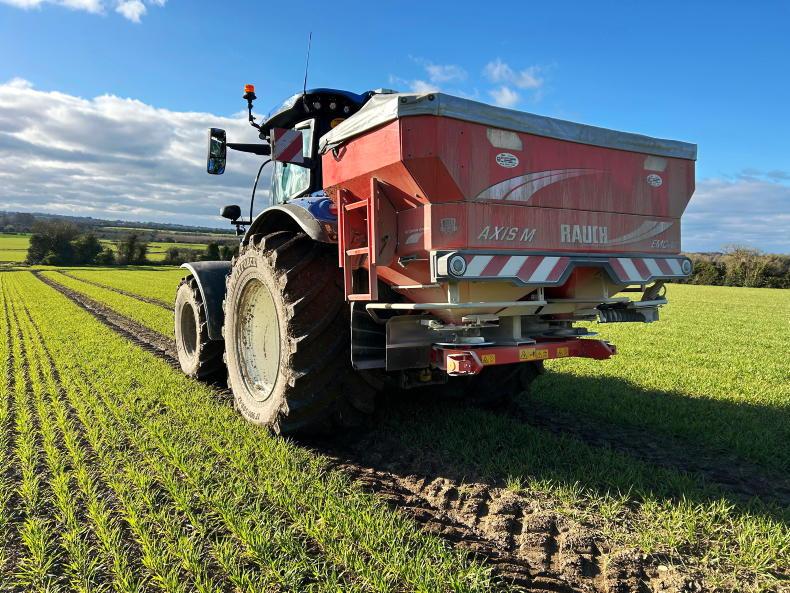
Martin has made it out onto his land in the past week to spread fertiliser. Some of the tramlines don’t look too good after travelling through them but Martin says it was not too bad. It was a bit soft but he felt he had to get out with fertiliser, especially on the winter barley which had started to go a bit yellow.
The barley received between 3.5 and four bags/ac of 10-5-25. Martin has Integral, Orcade and Belfry this year on the farm. The Belfry seed was dressed with Latitude as the land is two years out of potatoes. The barley will need a growth regulator of K2 in the next week if the weather allows it to be applied.
A small area of the winter oilseed rape received 60 units/ac of nitrogen. However, the GAI of most of the crop is nearing three, or even above three, so it does not need any nitrogen yet.
The winter wheat looks good. Martin says there is no panic to get fertiliser on it so he will wait until the tramlines dry up a bit more.
Last week, 350t of lime was applied to stubble destined for spring crops. Martin would typically apply lime after ploughing but with a challenging spring, he wanted to get the job done.
To keep the lime close to the surface, he will plough the land quite shallow and he might not plough for the beans and use a ripper instead.
Martin grid-samples his land every four years. This means every hectare of land has its own soil test result. This allows for a variable rate of lime to be spread, ensuring the lime is applied where it is needed most.
Martin has done this since 2015 and says he has seen the benefits of it. While the good areas won’t improve too much, he says it helps to improve the poor-yielding areas. Less lime is used overall too, which Martin says pays for the extra soil samples.
Brian Crowley
Ballycotton, Co Cork
The past couple of weeks have been busy in Cork with Brian spreading fertiliser and pulling the last of the beet.
A good share of the beet was pulled before Christmas and in the first week of January. With hindsight, Brian says all of it should have been pulled around Christmas but who was to know the weather that was to come. He says he has never seen a crop of beet like it, with a yield of 42.5t/ac. He notes the crop hit the ground running and looked good all year.
Compound fertiliser has been spread on the winter oilseed rape and barley. Brian applied between three and 3.5 bags/ac of 15-3-20+S or 10-5-25+S depending on the soil test results of each field.
The LG Armada oilseed rape is all there but was well grazed over the winter. While this means the crop will need more nitrogen, Brian is not too worried about it. His best yield of oilseed rape last year was in a badly grazed field. He also notes that there is very little leaf area for disease to build up on.
The Littoral, Integral and KWS Tardis winter barley all look quite strong. Brian would have liked to get the fertiliser on a bit earlier, but the crop did remain fairly green as most fields are following beans. Brian is in no rush to apply fertiliser to the Champion wheat just yet as it looks quite good.
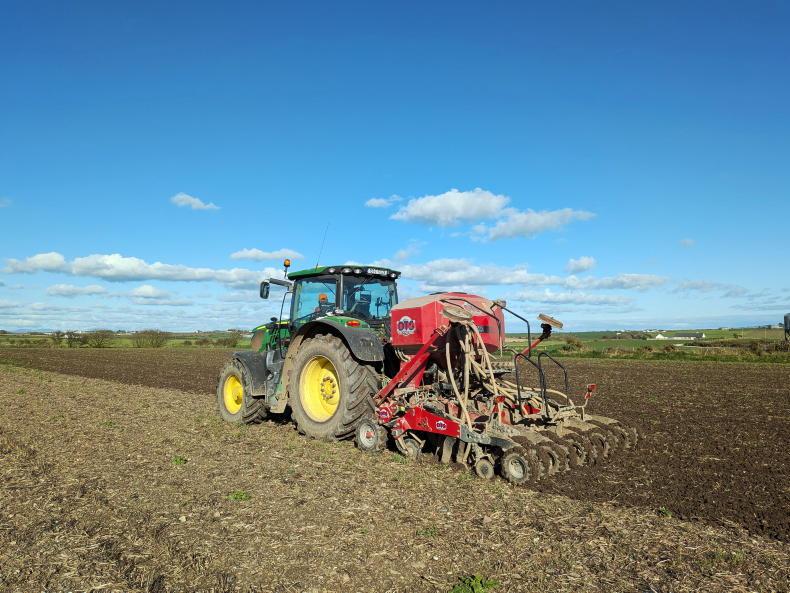
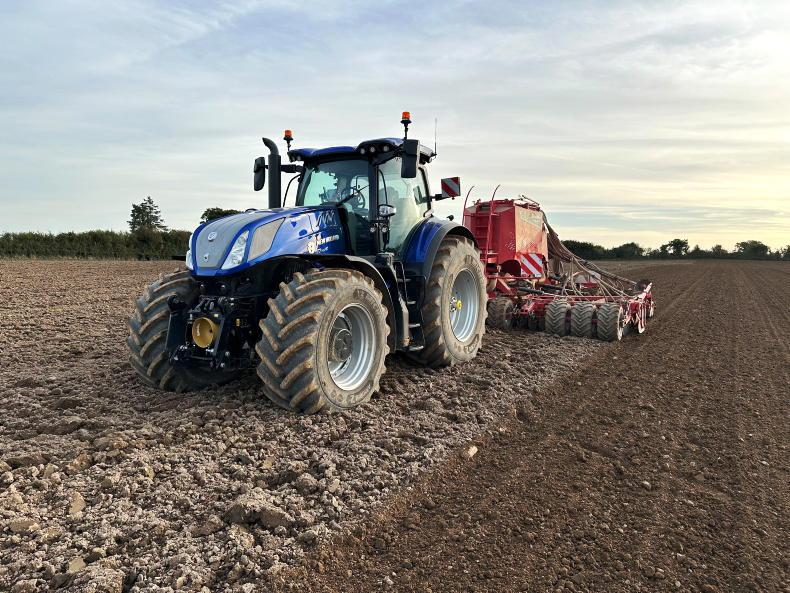
There was glorious weather in Cork on Monday which allowed Brian to start planting spring beans in the afternoon. The variety Lynx went in via strip-till at 200kg/ha. The only piece of land to be ploughed this spring is where the beet was. A seed crop of spring wheat will be drilled here. The remaining cereals will be established by minimum tillage. Brian’s malting barley contract is back this year but there will still be barley and oats to plant in the coming weeks too.



SHARING OPTIONS