"The high feed bills mean that many farmers have stretched all available credit lines to their limit"
ADVERTISEMENT
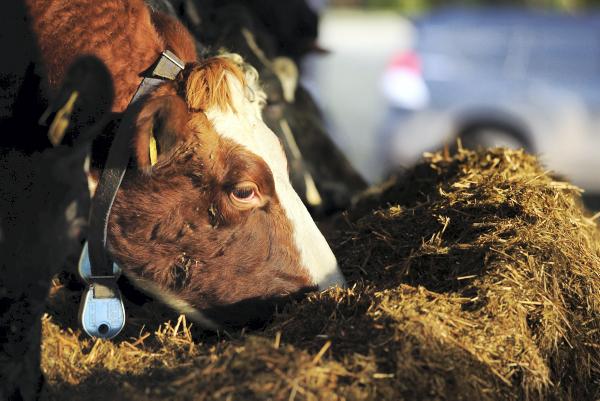
“Farmers have typically run up feed bills that are twice the size of last winter, with low forage volume and quality forcing farmers to feed higher volumes since housing,” says Peter Bolger of the Wexford-based John Bolger & Co merchants. “Usage is currently about 30% higher than normal. March had begun with feed demand falling, but it has risen again following the complete lack of growth this month.”
The high feed bills mean that many farmers have stretched all available credit lines to their limit, and Bolger says that banks need to be understanding at present.
“The level of merchant credit extended is putting pressure on merchant’s own cashflow,” he says, with the same message coming back from the feed mills. The upside of this is that a cash buyer for feed, and particularly fertilizer, is in a very strong negotiating position.
ADVERTISEMENT
In terms of feed prices, forward-purchased feed ingredients are being used up. Current supplies were purchased at the top of the market late last year and replacement stocks should offer better value, both for soya and grain. This could ease feed prices for beleaguered farmers. Current usage levels means that stocks of domestic grain are being eaten into. Barley supplies are running low, although imported grain is available at a similar price. Lower quality wheat is finding a market, at a price.
Register for free to read this story and our free stories.
This content is available to digital subscribers and loyalty code users only. Sign in to your account, use the code or subscribe to get unlimited access.
The reader loyalty code gives you full access to the site from when you enter it until the following Wednesday at 9pm. Find your unique code on the back page of Irish Country Living every week.
CODE ACCEPTED
You have full access to the site until next Wednesday at 9pm.
CODE NOT VALID
Please try again or contact support.
“Farmers have typically run up feed bills that are twice the size of last winter, with low forage volume and quality forcing farmers to feed higher volumes since housing,” says Peter Bolger of the Wexford-based John Bolger & Co merchants. “Usage is currently about 30% higher than normal. March had begun with feed demand falling, but it has risen again following the complete lack of growth this month.”
The high feed bills mean that many farmers have stretched all available credit lines to their limit, and Bolger says that banks need to be understanding at present.
“The level of merchant credit extended is putting pressure on merchant’s own cashflow,” he says, with the same message coming back from the feed mills. The upside of this is that a cash buyer for feed, and particularly fertilizer, is in a very strong negotiating position.
In terms of feed prices, forward-purchased feed ingredients are being used up. Current supplies were purchased at the top of the market late last year and replacement stocks should offer better value, both for soya and grain. This could ease feed prices for beleaguered farmers. Current usage levels means that stocks of domestic grain are being eaten into. Barley supplies are running low, although imported grain is available at a similar price. Lower quality wheat is finding a market, at a price.
If you would like to speak to a member of our team, please call us on 01-4199525.
Link sent to your email address
We have sent an email to your address. Please click on the link in this email to reset your password. If you can't find it in your inbox, please check your spam folder. If you can't find the email, please call us on 01-4199525.
ENTER YOUR LOYALTY CODE:
The reader loyalty code gives you full access to the site from when you enter it until the following Wednesday at 9pm. Find your unique code on the back page of Irish Country Living every week.







SHARING OPTIONS