



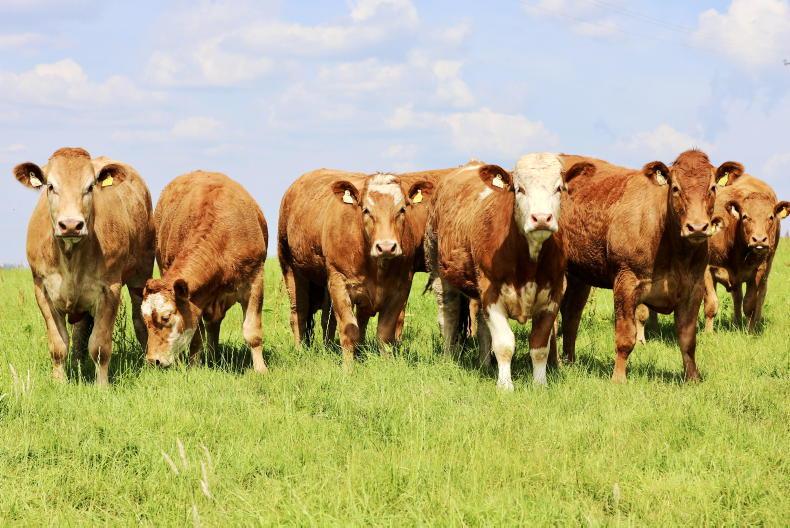
The tide is slowly turning on grass growth, with the majority of the country now recording growth above 25kg.
The worst affected areas, such as Kilkenny, Laois, Carlow and Waterford are still recording in the teens, with significant rain required in these areas to get grass growing again.
While it is late in the year, there is a slight silver lining in that less evaporation of any rainfall will occur, though farmers would have appreciated rain earlier and sacrifice a portion to the atmosphere.
A Teagasc survey published this week shows that 40% of farms currently do not have enough fodder for the winter. That is worrying.
With it being so late in the year, it will be difficult for farms worst affected by the drought to get a third (or even second in some cases) cut done.
For farmers that can do it, then topping up paddocks to allow nutrients to not be a restriction should be done. You may no need it, but it will be needed.
William Treacy – Hackballscross, Co Louth
I went with 20-24 units of N on a number of paddocks on Monday with it being a drizzly evening and we have received some nice showers of rain since. I was actually surprised how quickly grass had recovered.
The compound used contained sodium, which should help increase any palatability issues after the increase in growth rates.
All suckler cows and heifers are off silage now, with my usage of bales back from six bales/day to two. Spring born dairy beef bulls, the tail end of spring 2025 suckler bulls and some of the first autumn 2025 bulls are in the shed now.
I also weaned 10 problem spring calvers with the intention to fatten and kill these before the main housing period. While growth and silage yields are back, cattle appear closer to finishing, which may alleviate any issues with fodder.
System Suckler to beef
Soil Type Variable
Farm cover (kg/DM/ha) 852
Growth (kg/DM/ha/day) 56
Demand (kg/DM/ha/day) 37
Niall O’Meara – Killimor, Co Galway
Calving is just about to kick off here, but it has been a quiet period up until now. All cows should calve within a 60-odd day window, with the best quality grass being prioritised for these post calving.
I went with a light application of 375kg of protected urea across 44 of the 45 paddocks, which equates to 7.5 units/acre. I may top up some paddocks in the next few days again as I am short approximately 20-25 bales for the winter period.
We will introduce eight beef cattle, consisting of five cull cows and three heifers to concentrates to get these off loaded before the winter.
I generally top up paddocks with a bag/acre of 0-7-30 after cutting, but with the dry weather this summer some paddocks have been skipped so I will look to correct that now that we have had rainfall.
System Suckler to weanling
Soil Type Variable
Farm cover (kg/DM/ha) 768
Growth (kg/DM/ha/day) 55
Demand (kg/DM/ha/day) 32
Mark Maxwell – Ballinagore, Co Westmeath
I went out with some straight CAN at a rate of 22 units/acre on a small number of paddocks on the grazing block last week with the rain forecast, and with more rain having fallen this week I intend to go with some more fertiliser.
We had been buffering cows at grass with some hay and had originally pulled back on this but had to reintroduce it again to help slow down the rotation. Autumn calving kicked off at the beginning of August, so there is a relatively high demand for grass at the moment.
I fed some store suckler bred cattle heavier amounts of concentrates during the summer, both to get them away earlier and the lack of grass.
Some of these have been away this week at 23-24 months old and killing in to carcases of 450kg which I’m pleased with.
System Suckler to beef
Soil Type Variable
Farm cover (kg/DM/ha) 518
Growth (kg/DM/ha/day) 31
Demand (kg/DM/ha/day) 50



SHARING OPTIONS