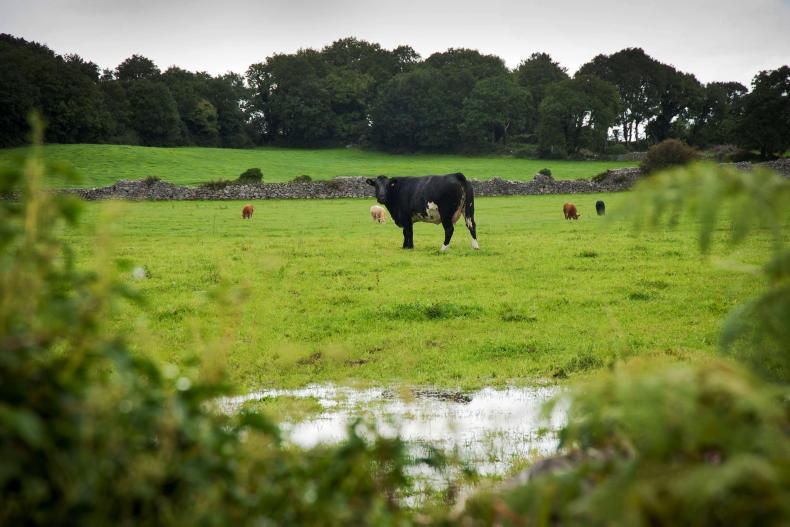
One farmer I spoke to during the week, operating on a heavy farm, told me that June and July were the only months that he never had to rehouse cattle, but that this year, that reality came as close as it ever has.
Damage is being done to heavier ground, as rainfall has been persistently above normal for the time of the year for a number of weeks now, with some areas seeing four or five times the normal rainfall amount.
What this has meant is that the reels and pigtails have come out of hibernation early, as management more in line with February or October has come into play.
Infrastructure
The paddocks that are well set up from an infrastructure point of view (several access points, spur roads, etc) will show their colours in these testing conditions.
Those requiring further works will equally highlight themselves, which should be noted and addressed in the medium term.
Saying all this, dry farms are doing fine and are actually seeing a slight increase or maintenance in growth, as they find themselves now fully recovered from the drought.
The extremes of this year's weather seems to have had an effect on how quickly the recovery came, with those most affected by the dry spell reporting a much slower than expected recovery, despite them now managing swards better in times of drought.
Building cover
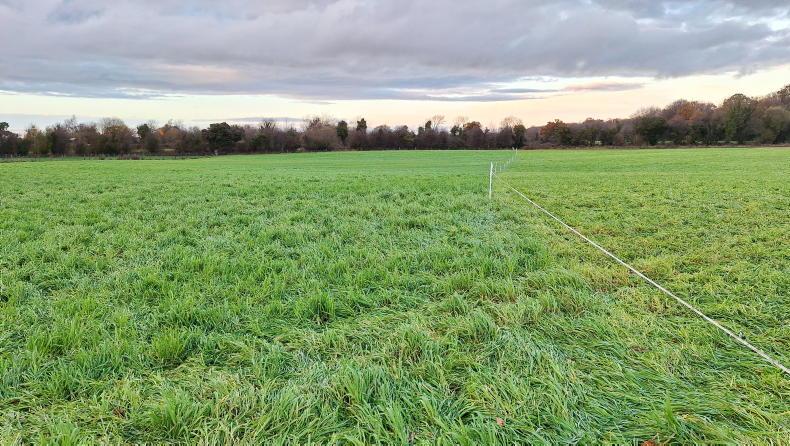
While it might seem difficult for those struggling to graze grass at the moment, the attention will soon turn to building grass for the autumn.
This simply means demand being lower than growth, with the bigger the difference resulting in a more rapid build-up.
Where silage ground and reseeds are coming back into play, this will help drop stocking rate.
On the beef and lamb side, slaughtering or selling cattle or lambs in the coming weeks will also aid in reducing the on-farm demand, while dairy farms should look at taking surplus stock (calves, heifers, cull cows) off the grazing block.
Where necessary, top up paddocks with chemical or organic nitrogen (N). It’s a good time for N, phosphorus and potassium usage, so any dung or slurry remaining in the yard would be best used soon.