



Second-cut silage fertiliser: first-cut has kicked well and truly into gear, with many farmers keen to get back out again with slurry and fertiliser for second-cut.
The recommended amount of fertiliser for second-cut is 60 units of N, 10 units of P and 60 units of K/acre, which should yield in the region of 6t/acre.
Spreading 2,000 gallons of slurry/acre if you have it will supply the P and K requirements, which means you will need 1.5 bags of protected urea/acre or two bags of CAN/acre to meet the crop’s demand. Utilisation of the nutrients in slurry will be much higher now than later in the year, so utilise slurry where possible for P and K requirements.
Cattle slurry applied by splash plate in June will have a lower nitrogen (N) value compared to low emission application techniques by about two to three units per 1,000 gallons. Caution does have to be exercised in the current weather with using LESS, as slurry can be dried out and brought back in to the silage sward much easier than with a splash plate.
Grass quality: grass growth has kicked forward considerably this week, and for many farmers the only way to control it is to mow out surplus paddocks.
The kick forward in growth is coming right where grass begins to shoot out anyway, so mowing out these paddocks will yield excellent-quality silage, correct stemmy paddocks and hopefully reduced the need for topping of paddocks in the coming weeks.
While many will argue that in a year like this mowing out surplus is too expensive, the real value in mowing out paddocks is in keeping the remainder of the farm in check. Grazing high covers now will yield to poorer growth rates in stock, as well as leading to more corrective action having to be taken later on.
While most paddocks will generally have to get a run of a mower at some stage, be it for bales or topping, it is still preferred that as little grass as is possible is wasted before going in with a topper.
For farmers that do not wish to mow out paddocks frequently, taking out a small number of paddocks in longer term silage will artificially increase the stocking rate and shorten the rotation.
Heat stress: heat stress in cattle needs to be monitored carefully, with breeding bulls particularly prone to heat stress due to their work load.
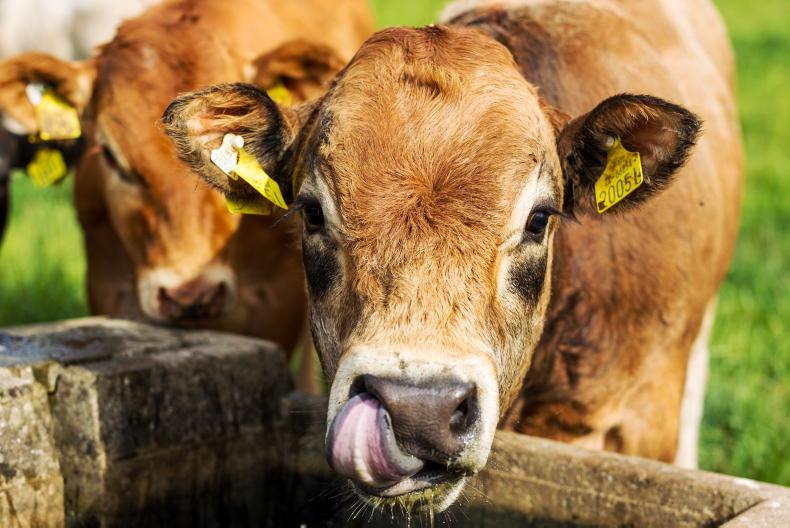
Check water troughs to ensure that clean, fresh water is available at all times. A buffer supply of water may be required where trough size is small.
Try to select paddocks that have the most amount of shade to help keep cattle cool, with the trees/hedges on southern borders of fields helping protect cattle from the strongest sunshine.
Working with cattle should be confined to the early morning and late evening when it is coolest, and working dogs should not be worked in intense heat.



SHARING OPTIONS