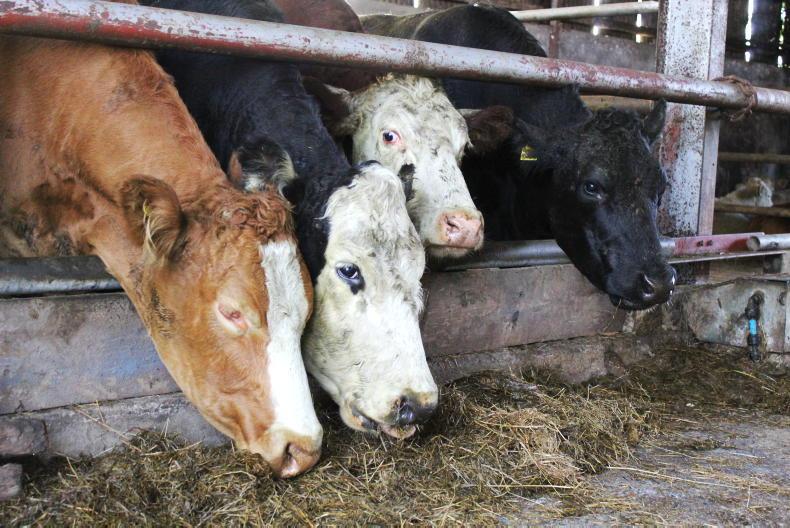
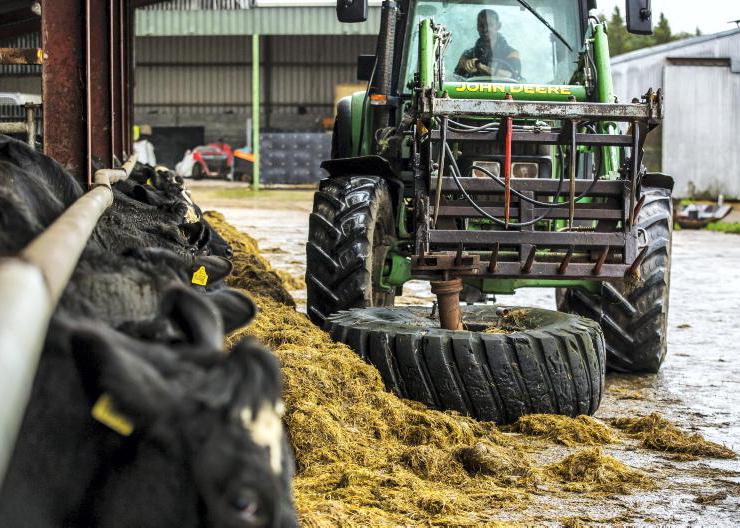
Where spring-calving cows have been housed for winter, simply penning animals and leaving blocks of silage in the feed passage every day is not the way to manage breeding animals over winter.
Mixing small or thin cows with larger, stronger animals can lead to a lot of bullying in pens. This increases the risk of lighter cows being underfed, injured and in the worst-case scenario, pitching their calf from a knock on the side.
While it can be difficult to separate animals when housing space is limited, or in smaller breeding herds, it should be part and parcel of winter management in larger suckler herds.
Outlined are five tips to grouping cows in cattle pens.
1. Replacement heifers
Replacement heifers should be grouped together for winter feeding. As replacement heifers were not suckling a calf this summer and autumn, they should be in good condition (BCS 3) at housing time.
Replacements heifers in BCS 3 will require a maintenance diet of average-quality silage around 66% to 68% DMD over winter.
2.First-calving heifers
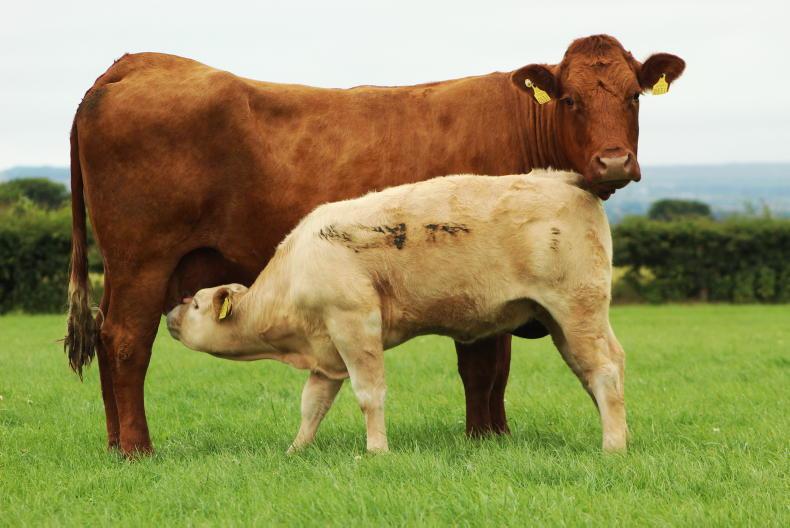
First-calving heifers are the animals that come under the greatest level of nutritional stress when housed, especially if they still have a calf at foot.
These animals should be the first cows to wean after housing. Delaying weaning runs the risk of heifers losing excessive body condition, unless they are on good-quality silage and 2kg to 3kg/day of concentrate.
But even then, consider early we aning to take the pressure off first-calving heifers. Don’t forget, these heifers are still developing, at the same time as having a growing calf inside them.
Delaying weaning runs the risk of heifers losing excessive body condition
3. Thin cows
Cows should be maintained in a condition score of 2.5 to 3 over winter. Thin cows below BCS 2.5 should be pulled out so they can get priority feeding to regain condition before calving in spring.
The time to regain body condition is in mid-gestation, which for March-calving cows, is November and December.
Thin cows should be fed average- to good-quality silage (66% to 69% DMD) over the coming months until they regain condition. Having these cows weaned early also helps to regain body condition.
Once cows have recovered to BCS 2.5 to 3, they can rejoin the main herd to simplify feeding, housing and workload.
The time to regain body condition is in mid-gestation, which for March-calving cows, is November and December
4. Fat cows
Fat cows encounter more calving problems, so they should also be managed as a separate group. This usually applies to a handful of cows and once animals are slimmed down, they can rejoin the main herd.
Cows at BCS 3.5, or higher, should have silage restricted during November and December to reduce condition.
However, when restricting silage, all cows must be able to feed at the same time, so that dominant cows don’t eat more than their daily allocation.
Restrict intakes by around 25%. In practical terms, this means cutting shallower blocks from the clamp.
Where bales were fed every morning and eaten by the following morning, leave it until afternoon before putting in the next bale.
Alternatively, delay weaning these cows as this will also help reduce body condition.
5. Main herd
The final group is the main cow herd and will cover the majority of the herd. Group cows so they are as even in size as possible and feed a maintenance diet of silage.
It may be a good idea to group cows based on expected calving date. This means grouping as many February-calving cows together as possible, the same for March cows and then April cows.
This makes is easier to target pre-calving minerals to cows, as well as watching cows springing up and removing animals to straw bedding at calving time.
Read more
Watch: last draft from grass on Thrive demo farm
Grass+ Beef: a wet week sees the end of grazing
Where spring-calving cows have been housed for winter, simply penning animals and leaving blocks of silage in the feed passage every day is not the way to manage breeding animals over winter.
Mixing small or thin cows with larger, stronger animals can lead to a lot of bullying in pens. This increases the risk of lighter cows being underfed, injured and in the worst-case scenario, pitching their calf from a knock on the side.
While it can be difficult to separate animals when housing space is limited, or in smaller breeding herds, it should be part and parcel of winter management in larger suckler herds.
Outlined are five tips to grouping cows in cattle pens.
1. Replacement heifers
Replacement heifers should be grouped together for winter feeding. As replacement heifers were not suckling a calf this summer and autumn, they should be in good condition (BCS 3) at housing time.
Replacements heifers in BCS 3 will require a maintenance diet of average-quality silage around 66% to 68% DMD over winter.
2.First-calving heifers
First-calving heifers are the animals that come under the greatest level of nutritional stress when housed, especially if they still have a calf at foot.
These animals should be the first cows to wean after housing. Delaying weaning runs the risk of heifers losing excessive body condition, unless they are on good-quality silage and 2kg to 3kg/day of concentrate.
But even then, consider early we aning to take the pressure off first-calving heifers. Don’t forget, these heifers are still developing, at the same time as having a growing calf inside them.
Delaying weaning runs the risk of heifers losing excessive body condition
3. Thin cows
Cows should be maintained in a condition score of 2.5 to 3 over winter. Thin cows below BCS 2.5 should be pulled out so they can get priority feeding to regain condition before calving in spring.
The time to regain body condition is in mid-gestation, which for March-calving cows, is November and December.
Thin cows should be fed average- to good-quality silage (66% to 69% DMD) over the coming months until they regain condition. Having these cows weaned early also helps to regain body condition.
Once cows have recovered to BCS 2.5 to 3, they can rejoin the main herd to simplify feeding, housing and workload.
The time to regain body condition is in mid-gestation, which for March-calving cows, is November and December
4. Fat cows
Fat cows encounter more calving problems, so they should also be managed as a separate group. This usually applies to a handful of cows and once animals are slimmed down, they can rejoin the main herd.
Cows at BCS 3.5, or higher, should have silage restricted during November and December to reduce condition.
However, when restricting silage, all cows must be able to feed at the same time, so that dominant cows don’t eat more than their daily allocation.
Restrict intakes by around 25%. In practical terms, this means cutting shallower blocks from the clamp.
Where bales were fed every morning and eaten by the following morning, leave it until afternoon before putting in the next bale.
Alternatively, delay weaning these cows as this will also help reduce body condition.
5. Main herd
The final group is the main cow herd and will cover the majority of the herd. Group cows so they are as even in size as possible and feed a maintenance diet of silage.
It may be a good idea to group cows based on expected calving date. This means grouping as many February-calving cows together as possible, the same for March cows and then April cows.
This makes is easier to target pre-calving minerals to cows, as well as watching cows springing up and removing animals to straw bedding at calving time.
Read more
Watch: last draft from grass on Thrive demo farm
Grass+ Beef: a wet week sees the end of grazing






SHARING OPTIONS