


No mention of Britain is complete at present without a reference to the vote on EU membership that is taking place on 23 June. As the date approaches, more surveys of the economic impact are published. And the consistent theme is that exit would hit the UK hard but, such would the collateral damage be, Ireland would be hit as hard or even harder.
Agriculture is particularly vulnerable, as it is our most important market by a distance.
Price gap closes
In the meantime, there are other reasons for concern. Back in November, the price gap between Ireland and Britain had reached an outrageous €1.20c/kg. By last week that had shrunk to 43c/kg, still well ahead of the 27c/kg published by the IFA as the 10-year average, but dramatic nonetheless.
Back in November, it would have been impossible to imagine this reduction in the gap without some lift in Irish cattle prices. However, farmers have not benefited by a single cent, as Irish farmgate prices have flat-lined since November. The reduction in the British price is driven by the strengthening of the euro by 10-12%, the Brexit vote no doubt contributing to this. The steady decline in British prices, which began in October, has more or less continued weekly since.
Hard-nosed number crunchers may look back at UK prices compared with the rest of Europe and put this fall down to market correction. It is true that the reflex response of major British buyers in the aftermath of the horsemeat issue in 2013 was to demand home production.
That drove prices, not just in Britain but in Ireland. British farmers continued to enjoy a super-premium for much longer, however, because they ultimately have a bigger market for beef than they are able to supply.
The top-paying end of the British beef market is driven by the supermarkets, the big buyers of roasts, steaks and minces, while the large burger chains buy forequarter and flank meat. Huge changes have been taking place in the retail trade and this may now be having an impact on the industry.
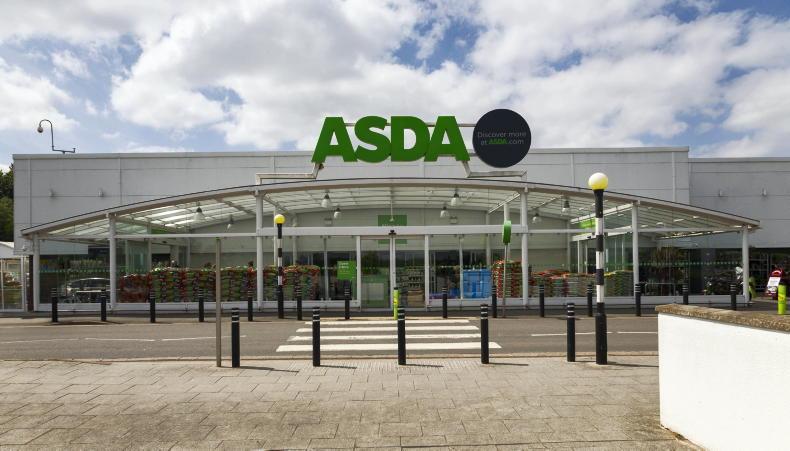
The discounters, particularly Lidl and Aldi, well-known in Ireland, are having an equally if not more dramatic impact on retailing in Britain. Their model of a narrow range of top-quality British beef has left mainstream retailers struggling to respond.
Tesco
Tesco, still Britain’s largest retailer with over a quarter of the total market (10% more than their closest competitor), last week announced its fight back strategy on meat and vegetables. As identified by The Dealer in the Irish Farmers Journal on Thursday, this will be through branding with the mythical Boswell Farms.
While the Dealer was wondering about their QA status and how well they got on in their last inspection, there has been a very lukewarm response in the UK, with the National Farmers Union and much of the press critical of this use of fictional British-sounding names.
Still, from an Irish perspective, there may be some opportunity because it will take young bulls and accept steers up to 36 months. This is something of a departure from one of the main drivers of reducing the age of slaughter below the controversial 30 months at present.
Another thing to consider is that Lidl and Aldi are likely to respond and, as price-driven beef promotions have not featured much recently, they could be about to make a comeback.
Closure in price spread between regions in Britain
The overall price reported for GB historically masked quite a spread from Scotland to the south of England. Northern Ireland reports prices to the EU separately, but if it is included it is historically the UK’s lowest price region, while Scotland is the highest.
For example, back in July 2014, Scotland’s R3 steer price was £3.46/kg compared with £3.33/kg in the north of England, £3.27 in the English midlands and Wales, and £3.18/kg in the south of England. Northern Ireland was at £3.24/kg.
The British average (excluding Northern Ireland) reported that week was £3.33/kg, but this covered a spread of prices from £3.46/kg in Scotland down to £3.18/kg in the south of England.
Compare this with three weeks ago. Prices paid for week ending 5 March show that In Scotland R3 steers were making £3.38/kg, compared with £3.33/kg in northern England, the English midlands and Wales. Meanwhile, the south of England was at £3.35/kg, which was the overall British average.
All the British regions are now clustered around the average, with a range of 5p/kg compared with 28p/kg in 2014. The price premium enjoyed by Scotland seems to have disappeared for now (R4 steer prices were actually 6p/kg higher in the north of England on the week ending 5 March).
While the British beef market has been in steady decline, there is not much joy elsewhere in our main European markets to compensate.
France enjoyed an 8c/kg bounce on R3 steer prices last week, but this just brought it up from €3.62/kg to €3.70c/kg, 10c/kg behind Ireland.
Italy enjoyed even more of a bounce on its R3 young bull price, recovering the 20c/kg loss over the previous three weeks with a 20c/kg jump to €1.04c/kg last week.
It was another week of slipping prices in Germany, which has been the weekly pattern since the start of the year. Prices have fallen to €3.74c/kg, which is 32c/kg down on the recent high of €4.06/kg at the start of the year.



SHARING OPTIONS