



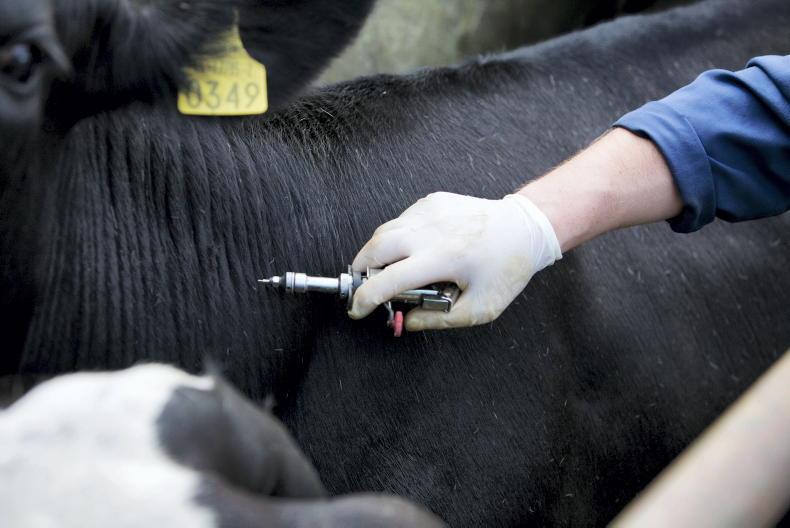
The Irish Cattle and Sheep Farmers’ Association (ICSA) has welcomed a softening of some aspects of Minister for Agriculture Marin Heydon’s new TB plans from those that had been initially proposed earlier this year.
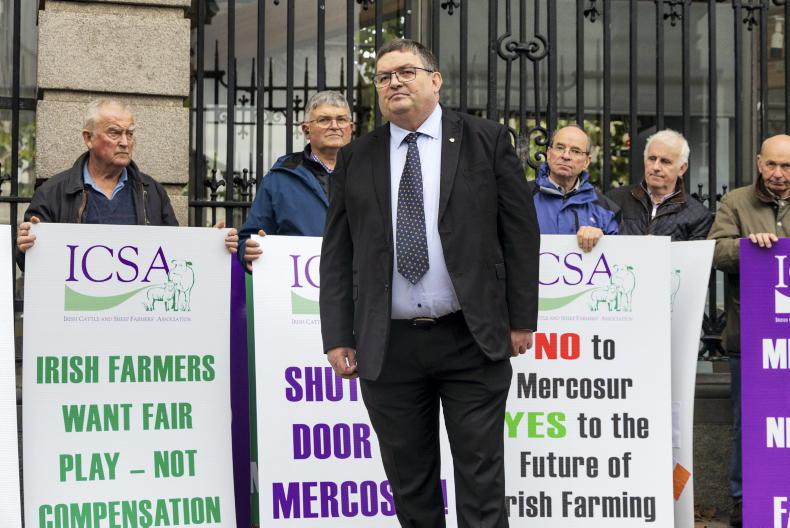
However, the association’s animal health and welfare chair John Barron warned that many of the finer details of the newly announced TB control measures have yet to be released.
Barron said that much of farmers’ goodwill with embracing new measures will depend on an increase to the “outdated compensation caps” limiting the funds received by farmers with reactors.
“Unless this and other concerns are dealt with in full, the goodwill needed to make this plan work will not be there,” the ICSA chair commented.
“Farmers want to see progress towards eradication, but it has to be achieved in partnership with them, not at their expense.”
Barron said that the ICSA had fought hard at the TB forum to “protect suckler farmers from the harsher ramifications of this plan”, adding that he was “glad to have achieved that”.
“It is important that the Minister listened to us on this point. In particular, suckler cows and males over 36 months can continue to be sold and moved in the six months following a clear herd test.
“We also welcome several new elements of the plan, including a 30% increase in wildlife operatives, the establishment of a telephone helpline for farmers entering a breakdown.”
Cautioned welcome
Special mart sales for TB-restricted cattle, funds for on-farm biosecurity measures and a commitment to consistency in protocol across all district veterinary offices were all welcomed by the drystock farmers’ group.
But Barron’s comments also referenced farmer caution with the Department of Agriculture on TB issues, as he claimed that “the protections built into the TB programme over the past decade through the TB forum have been weakened”.
“Farmers must have their say and they must be protected from unfair or disproportionate measures.”
The ICSA said that it was at the forum where itself and other groups “fought to protect farmers from the worst-case scenarios” on measures including herd categorisations, regionalisation, risk-based trading, non-negotiated risk mitigation plans and compensation cuts.



SHARING OPTIONS