



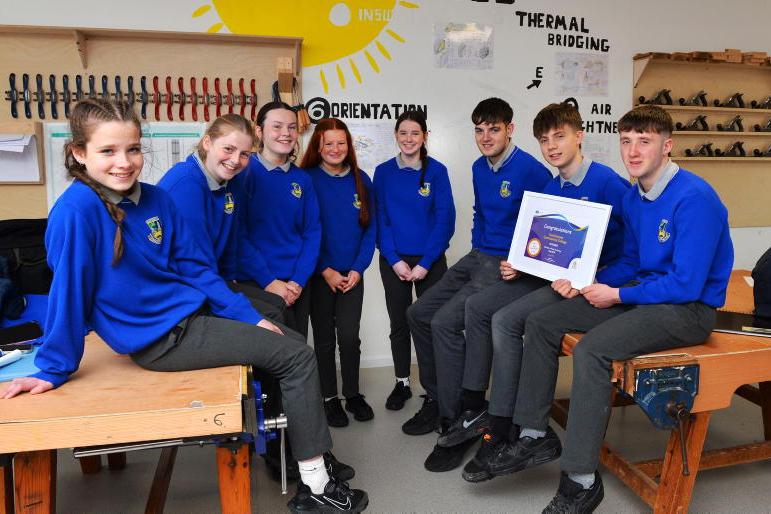
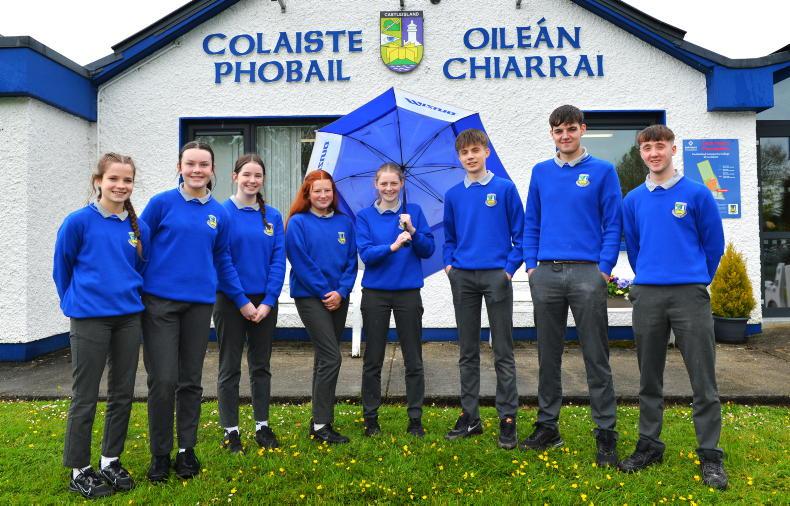
More than 180 schools, including Castleisland Community College, have taken part in the ESB Networks Weather Watch programme since its pilot launch last year.
The hands-on initiative has engaged over 18,000 students nationwide, helping them learn about weather patterns and their impact on electricity generation and consumption, while also providing access to a range of educational resources.
This year, the programme has expanded to include new modules focused on Ireland’s wind farms. Using Ordnance Survey maps and aerial imagery, students examine how physical geography influences wind farm location choices and explore the social and environmental benefits of renewable energy
The programme aims to spark conversations about energy awareness beyond the classroom, encouraging smarter electricity use in homes and communities. By connecting classroom theory with real-world examples, students develop a stronger understanding of how Ireland’s climate is linked to its renewable energy future.
Weather Watch is also helping to support the cultural shift needed to achieve Ireland’s net zero ambitions. By making energy literacy part of everyday learning, the programme encourages students to bring sustainable thinking into their daily lives, influencing attitudes and behaviours far beyond the school environment.
A short two-minute video about sunshine, rain and maps might sound simple, but for a group of secondary school students from Castleisland Community College in Co Kerry, it has opened up a much bigger world – one where climate, farming, renewable energy and future careers all intersect.
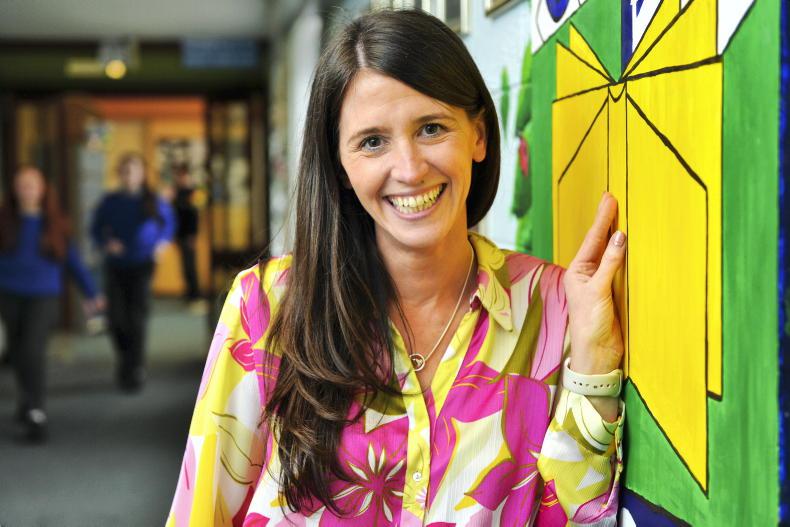
“We made a video, we got the idea because we all wanted to take part in something, and we just wanted to have a bit of fun in geography and bring some weather watching to it,” explains Mia Smith one of the students who completed the programme.
The group and their teacher, Elaine Murphy, decided to create a two-minute video, leaning into humour and creativity. They wanted to show the different aspects of weather scenarios while linking to the school’s weather station.
The students’ understanding of weather was largely limited to what they saw on television or an app.
“Before taking part in the Weather Watch programme, I had a basic understanding of the weather, mainly what I saw on daily forecasts, like temperature, rain, and sunshine. I didn’t really think about how weather is measured or why it changes,” says Mia.
Through the programme, that changed.
“I learned much more about things like air pressure, wind direction, cloud types, and how observations are recorded. For example, the anemometer measures wind speed,” she adds.
The introduction of real instruments and data gathering tools proved crucial. The students were able to move from theory in a textbook to practical measurements, seeing in real time how conditions outside the classroom were recorded and interpreted with their weather station
Teacher Elaine Murphy says this was one of the most valuable aspects for their learning.
“It was lovely to see, and it brought it to life. The students were able to see whatever we were learning in the textbook, and then having the weather station created a great buzz.
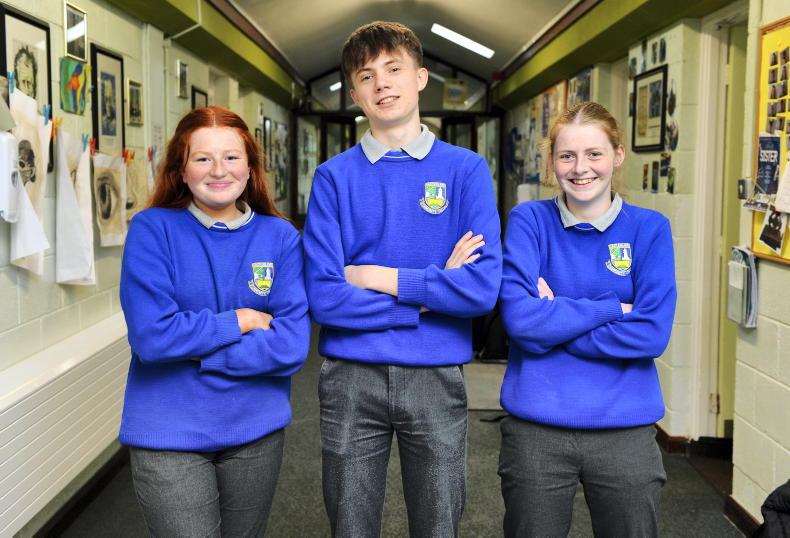
From the anemometer, a device that measures wind speed and direction the students were able to see the data and impacts of wind.
“During the winter on colder days students got familiar with the terms. They have to study it as part of their junior cycle, looking at weather patterns, storms and significant weather events.
“It was nice to be able to have the actual technology to show them because sometimes you’re just showing them out of a book and it doesn’t make any sense. The fact they got to also make a video with their peers it was great fun,” Elaine explains to Irish Country Living.
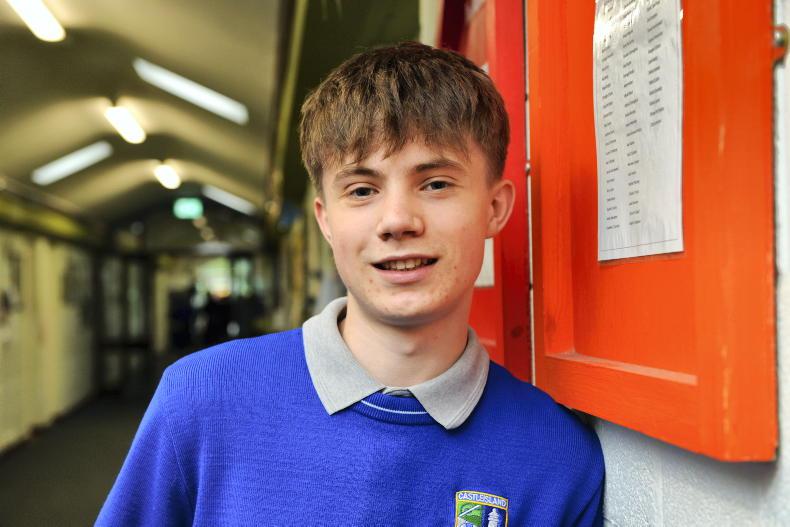
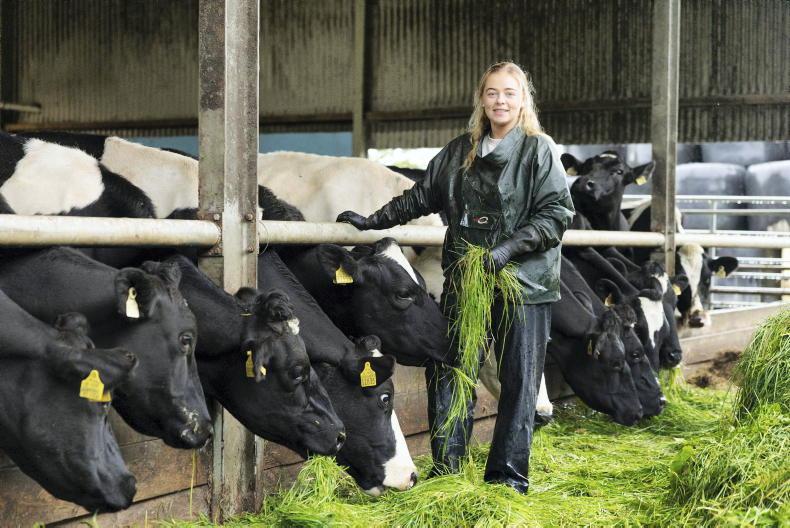
For student Seán O’Sullivan, the Weather Watch programme connected directly with everyday life on his family’s dairy farm, where they milk 120 cows. With two weather stations – one installed 10 years ago and another three years ago – they play a central role in decision making at home.
“The one that was recently installed is very good. It’s connected to an app, so you can get all the data from it. This is very handy, because if the weather is very wet, it will mean that animals need to be kept indoors for longer, leading to fodder shortages and increased costs,” Sean explains.
He’s acutely aware of how extreme conditions are reshaping farming.
“Summer drought restricts grass growth and quality. Higher rainfall makes it difficult for animals to graze and for machinery to travel on the land. Crops like potatoes, barley, and maize need particular weather conditions to grow.”
The programme helped Sean link those on-farm realities with the broader scientific and policy context of climate change and renewable energy.
“One of the biggest things I learned is how weather, energy, and climate change are all connected,” he says.
The role of rural communities
Beyond the farm gate, the students have also begun to see their rural area as a key player in Ireland’s clean energy ambitions. Ireland aims to increase the share of electricity generated from renewable sources to 80% by 2030, up from around 40% currently.
The students recognise that much of that infrastructure will be based in places like their own community.
“Rural communities play an important role in powering the country’s clean energy future, because many renewable energy projects, especially wind farms, are located in rural areas,” Sean explains.
“These communities provide the land and space needed for wind turbines and other energy developments. They also support the construction and maintenance of these projects, helping to generate clean electricity for the whole country.”
Another student, Aoibheann Joy, emphasises the wider economic and regional impacts of renewable energy.
“It provides direct employment, and it can create almost 100,000 jobs. It will also create indirect employment in jobs like supplying goods and services to renewable energy plants. Renewable energy brings economic benefits to poorer regions, for example, setting up wind farms where land might be unprofitable or mountainous.”
The programme provided an insight overall on the impact weather plays in our daily lives while highlighting the career opportunites in renewable energy, climate and meteorology.
See esbnetworksweatherwatch.ie



SHARING OPTIONS