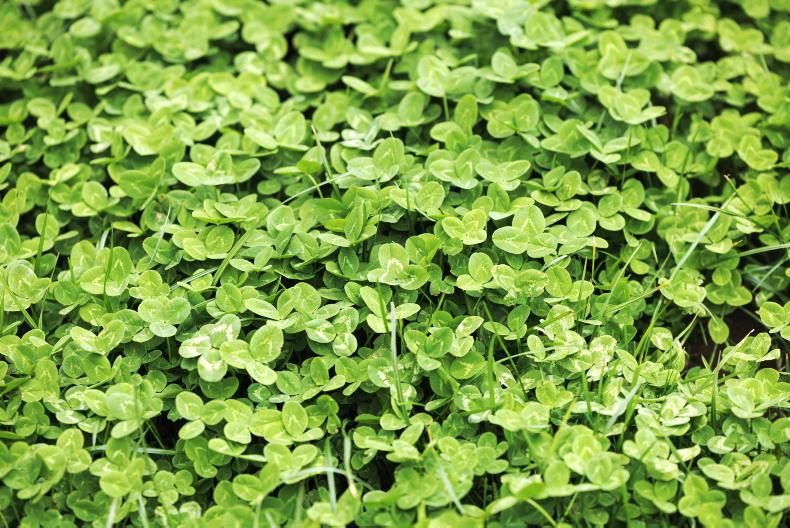
Over the last few weeks, many farmers have discovered to their cost that there are two sides to having a lot of clover.
It is both a blessing and a curse in the sense that, yes, they are benefiting from lower chemical fertiliser usage and probably better animal performance, but the curse is that the herd is now more susceptible to bloat.
Finding a dead cow is often the first symptom of the issue, so it can be very costly.
Preventative methods have been well documented – offer higher dry matter and higher fibre feeds such as hay, straw or silage, use a breakfast break (small allocation of grass lasting one or two hours), use 12 hour breaks and dose the water with bloat oil.
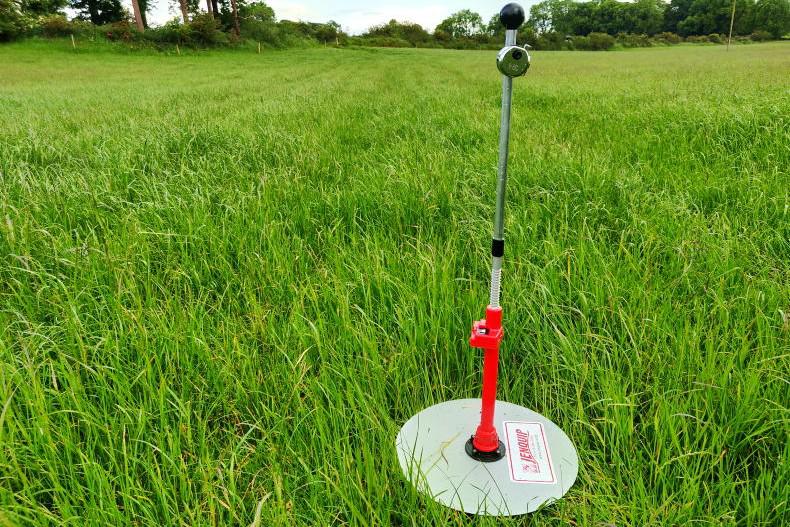
Grass growth has been excellent for the last three or four weeks and most swards are very lush and digestible, leading to higher intakes.
Dry matter in the sward is low because the growth is fast and the weather has been wet. Clover contents usually peak in August and pre-grazing yields are still low because most farmers are only starting to build up grass for the autumn.
Growing risk of bloat
In another week, or in a different year, these may not be issues and bloat may not be as much of a problem.
However, if Irish agriculture is successful in its aim of getting more clover established in grassland, then the risk of bloat will become a bigger problem in the future.
New innovation in prevention is required in order to reduce the risk of bloat. The existing preventative methods are either not fully effective at very high-risk times, or are very labour intensive.
For example, an effective and low-cost additive that can be included in meal feeding would be a game changer in the fight against bloat.
Clover presents Ireland’s farmers with a massive opportunity to reduce their greenhouse gas emissions by spreading less nitrogen fertiliser.
Integrating clover on to dairy farms is not really a ‘yes or no’ proposition, it is a must if we are to maintain cow numbers.
Without clover, the grass just won’t be grown.
With this in mind, the cost/benefit analysis of clover will always be hugely positive, but that is cold comfort for a farmer just off the phone to the knackery.
Treatment
Where cows are seen to be bloated, remove the herd from the pasture as soon as possible.
The process of walking or running cows along a roadway may help to break up the froth in the rumen, allowing the trapped gas to escape.
Give cows silage or put them in to graze a small allocation of a stemmy paddock, to increase fibre intake.

A relatively mild case of bloat in a dairy cow. She is bloated, but the hip bone is still visible. These cows were moved off the pasture.
Drench affected cows with a high rate of bloat oil. If the cow is down or having trouble breathing, she may need to be stabbed using a trocar and cannula to release the gas.
This should be done on the cow’s left side one hand span down from the short ribs and one hand span in front of the hipbone. Whenever bloat is suspected, seek veterinary help immediately.
Over the last few weeks, many farmers have discovered to their cost that there are two sides to having a lot of clover.
It is both a blessing and a curse in the sense that, yes, they are benefiting from lower chemical fertiliser usage and probably better animal performance, but the curse is that the herd is now more susceptible to bloat.
Finding a dead cow is often the first symptom of the issue, so it can be very costly.
Preventative methods have been well documented – offer higher dry matter and higher fibre feeds such as hay, straw or silage, use a breakfast break (small allocation of grass lasting one or two hours), use 12 hour breaks and dose the water with bloat oil.
Grass growth has been excellent for the last three or four weeks and most swards are very lush and digestible, leading to higher intakes.
Dry matter in the sward is low because the growth is fast and the weather has been wet. Clover contents usually peak in August and pre-grazing yields are still low because most farmers are only starting to build up grass for the autumn.
Growing risk of bloat
In another week, or in a different year, these may not be issues and bloat may not be as much of a problem.
However, if Irish agriculture is successful in its aim of getting more clover established in grassland, then the risk of bloat will become a bigger problem in the future.
New innovation in prevention is required in order to reduce the risk of bloat. The existing preventative methods are either not fully effective at very high-risk times, or are very labour intensive.
For example, an effective and low-cost additive that can be included in meal feeding would be a game changer in the fight against bloat.
Clover presents Ireland’s farmers with a massive opportunity to reduce their greenhouse gas emissions by spreading less nitrogen fertiliser.
Integrating clover on to dairy farms is not really a ‘yes or no’ proposition, it is a must if we are to maintain cow numbers.
Without clover, the grass just won’t be grown.
With this in mind, the cost/benefit analysis of clover will always be hugely positive, but that is cold comfort for a farmer just off the phone to the knackery.
Treatment
Where cows are seen to be bloated, remove the herd from the pasture as soon as possible.
The process of walking or running cows along a roadway may help to break up the froth in the rumen, allowing the trapped gas to escape.
Give cows silage or put them in to graze a small allocation of a stemmy paddock, to increase fibre intake.
A relatively mild case of bloat in a dairy cow. She is bloated, but the hip bone is still visible. These cows were moved off the pasture.
Drench affected cows with a high rate of bloat oil. If the cow is down or having trouble breathing, she may need to be stabbed using a trocar and cannula to release the gas.
This should be done on the cow’s left side one hand span down from the short ribs and one hand span in front of the hipbone. Whenever bloat is suspected, seek veterinary help immediately.








SHARING OPTIONS