The projected 2026 figure of producing winter milk is €2,818 per cow, an increase of €262 per cow, or 4c/l across the 2025 baseline, James Dunne, Teagasc dairy specialist has said.
The calculation used 2025 as a baseline, with input quantities remaining the same but with adjustments made for the price of inputs and represents an increase of €884/cow (46%) since 2021, before capital repayments, drawings and taxation are taken into account.
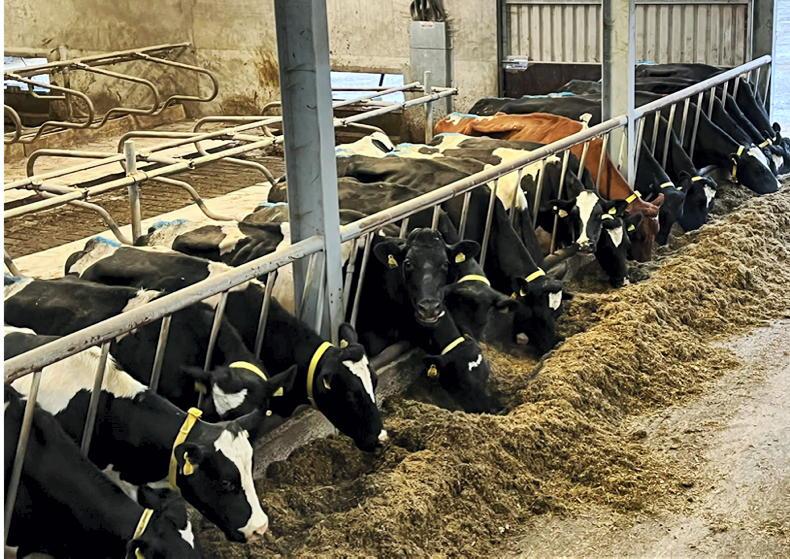
Dunne told attendees at the launch of the IFA’s new liquid milk strategy that this winter, feed is expected to increase by €31/cow, with the majority of this increase coming in the second half of the season.
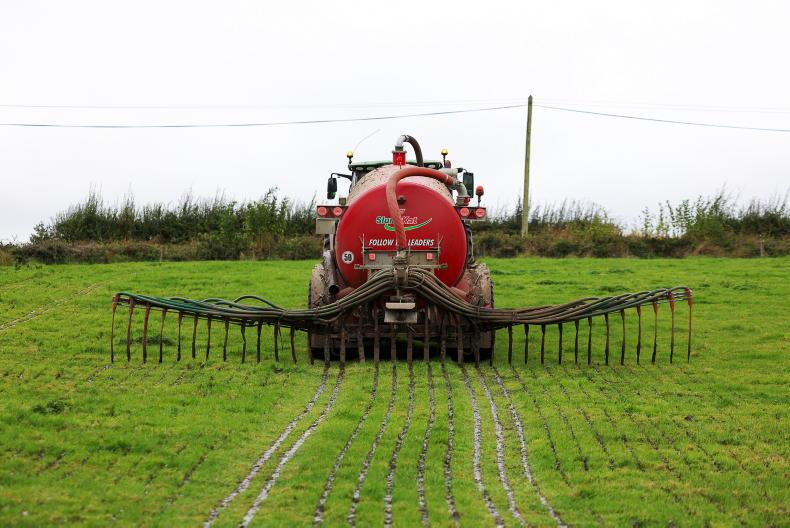
“Fertiliser is projected to increase by €61/cow or 33%. The assumption around that is that 25% of the fertiliser was purchased prior to the price increases, but that will differ depending on circumstances at individual farm level,” he stated.
Veterinary costs look to increase by 10%, and artificial insemination and breeding by 5%.
Contractor charges are estimated to increase by 19% or €52 per cow, mainly due to energy costs, and all other variable costs are to increase by 2%.
Variable costs
“We are seeing a total increase in variable costs to the tune of €163/cow,” Dunne said.
“Fixed costs are expected to increase by 10%, a lot of that comes down to energy related costs – machinery running, higher labour, repairs and maintenance.”
The data came from the Teagasc profit monitor system, where 72 winter milk suppliers completed physical and financial analysis for their farm businesses.
There is no doubt that winter milk production costs have increased substantially; and Dunne took the opportunity to remind farmers that farm efficiency – efficient feed and forage utilisation, alongside strong control of variable and fixed costs remains critical in protecting margins.