



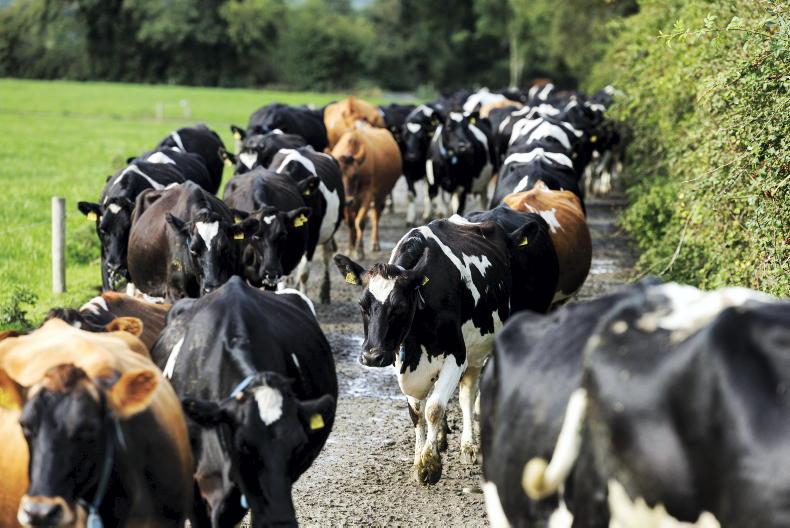
This week, two of our most significant and progressive milk processors announced financial results for the year ending 2022. The results reflect what was a phenomenal year. Revenue was up over 40% and profits up 10%, 20% or 30% depending on what measure you use. Never before have we seen such a shift (see p24-25).
In an Irish context, the combined milk pool is significant, with Dairygold co-op processing 1.5bn litres and Lakeland Dairies 2bn litres. Between them, they account for over 30% of the milk on the island, and both co-ops are owned and run by farmers. Both have relatively new leaders of executive management coupled with new and young active dairy farmers as co-op chairs. In the last five years, each co-op has spent close to €300m on processing capacity, and much more before that. The co-op investment by shareholders has allowed employee numbers grow, and allowed farmers grow and invest. Ultimately, rural Ireland reaps the benefits.
New world
Compared to the colour, innovation and new investment launches often discussed at previous financial result sessions, this year marked a line in the sand. The milk pool of each co-op has tightened up or is in the process of tightening up. It changes the game.
Let’s be clear, the milk price farmers received in 2022 was exceptional, yet two of our largest processors barely held the line on volumes. Dairygold dropped volume processed a touch, while Lakeland is experiencing and expects a similar small reduction in volumes in 2023.
When you have growth in milk year after year, the mood music is different. You have new developments, more investment decisions to make, moves into new markets. When you have a tightening supply, some investment ongoing and you have additional costs on top of already higher costs, then margins tighten. The energy cost alone in Dairygold is now the equivalent of 4c/l.
What will 2023 bring for dairy farmers? A weaker farmgate milk price, further tightening of milk supply, and a tighter margin at farm level. The comparatively higher input cost of feed and fertiliser won’t stimulate supply growth at farm level.
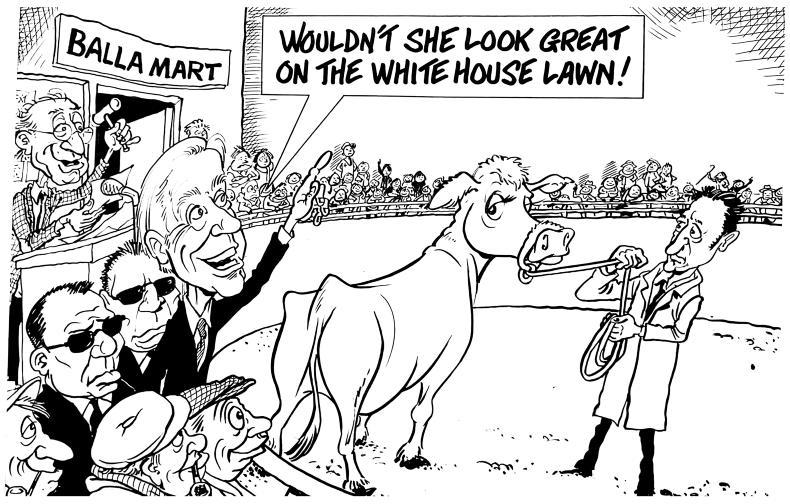
Maybe this is just a blip in the road and if and when input prices return to a more normal level we will see more supply growth. However, in the current policy framework, it’s hard to see supply growth at a co-op level. At individual level, it’s still possible. Issues outside of input prices are influencing whether there will be further growth. Inflated land prices to get more acres into the system to deal with a threatened nitrate derogation reduction. A historical CAP moving money from productive areas to parts of the country with less history in production, but, more environmental, social and public good returns. You can add to this the policy shift with a shortage of skilled talent to work on farms and uncertainty around what nutrients farmers can use to optimise grass growth.
It is clear the industry is at the next crossroads and a further investment to handle capacity is not required
For the last 10 years, you could ask any dairy farmer where his or her business was going and you got definitive answers as the road was clear for growth. Now there are bends in the road, potholes, roadworks, and places where there is no road on environmental challenges. Many have reached upper limits. Many have learned second units are not as straightforward as adding more cows to the home farm.
Ten years ago, the industry was at a crossroads and each processor decided to invest in more capacity, more people, more energy. It worked. There was and is something in it for everyone. It is clear the industry is at the next crossroads and a further investment to handle capacity is not required. Costs are higher, commodity and retail product price lifted in 2022, but is sliding down now. Underlying demand for product is still good, but a co-op growth strategy looks more like differentiation, cost reduction, and investment in value-add than volume growth.
Many thought 10 years ago was the time to consolidate a strong industry and invest in joint processing – it didn’t happen. There was some joining up of weaker businesses. Maybe the next 10 years will see the consolidation piece ramp up to allow the industry grow further, sharpen costs and grow margin a different way.
As milk price tightens, dairy farmers more than ever need to be aware of production costs, increasing product value, awareness of environmental issues and not tie into land leasing deals on poor land at inflated prices for long periods.
The opportunity for many businesses for the next 10 years, not just dairy businesses, is to grow value, streamline the business, reduce costs, create new income streams – it can be equally rewarding.



SHARING OPTIONS