



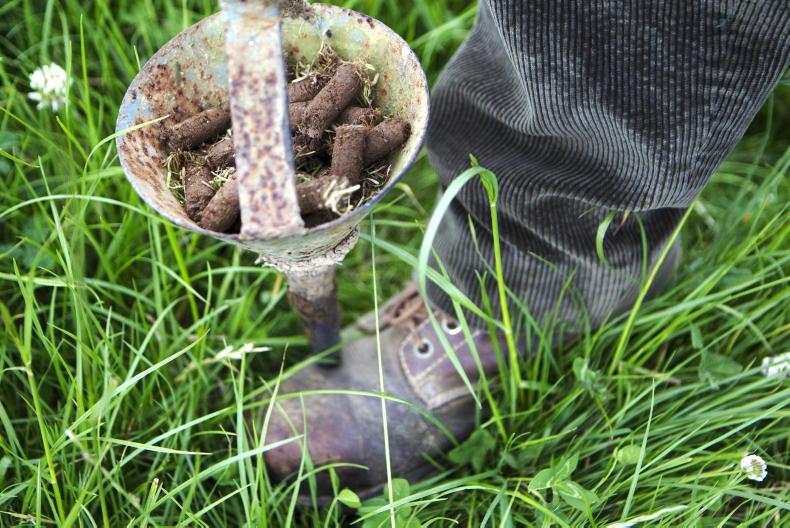
There are big changes happening as regards soil sampling. The new rules in the Nitrates Action Programme mean thousands more farmers now have to complete soil sampling in order to avail of a phosphorus allowance.
Any farmer with an organic stocking rate above 130kg N/ha, which is the equivalent of two suckler cows/ha or 1.4 dairy cows/ha, needs to carry out soil sampling and have a nutrient management plan. Without this, they won’t be able to import slurry or buy any phosphorus fertiliser.
This will have implications for farmers previously exporting slurry on to these farms, because if these farmers don’t carry out the soil sampling, which then demonstrates the need for extra P, they won’t be able to accept slurry.
An influx of additional soil samples will also put extra pressure on sampling technicians and labs, so the advice is to take samples as soon as possible and send them away for analysis. Soil samples are valid for four years, but many farmers now prefer to sample every one or two years.
Early January is usually a good time to take soil samples. Sample areas in a ‘W’ shape – the area being sampled should be uniform in terms of farming history and soil type, etc. The maximum area to be included in a sample is 5ha.
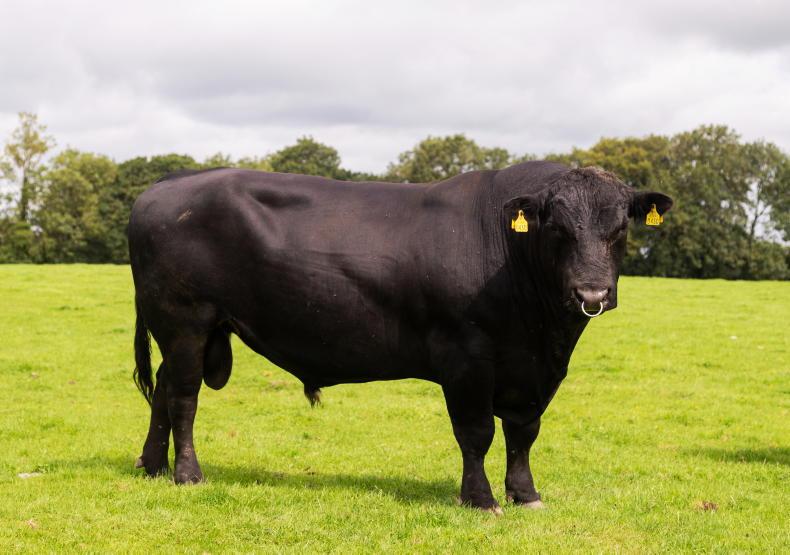
A good few farmers have their bulls picked for next season already. Sexed semen will once again be in high demand, so farmers are advised to get their orders in early.
A key change over the last few years when it comes to breeding has been the more selective use of dairy AI.
Before, all cows were served with dairy AI, as farmers strived to breed as many replacements as possible.
With slower growth in the national herd, more sexed semen and sluggish demand for dairy stock plus more restrictions around nitrates, more and more farmers are only breeding the minimum number of replacement heifers required.
For most farmers, this is 20% to 25% heifer calves on the ground. At 50% conception rate for those using only sexed semen, this means they are breeding 50% of cows to dairy in the first round of AI and the rest are getting beef AI.
Those using a combination of sexed and conventional semen are breeding more cows to dairy and will have more dairy bull calves, but should have better conception rates and subsequent calving patterns.
Now is the time to start feeding minerals to dry cows, if you haven’t already.
There are a lot of options on the market and it’s easy to get confused.
Lower-cost products tend to have lower spec in terms of the quantity of minerals being included, particularly phosphorus and vitamins.
Standard feeding rates are 120g per cow per day, so compare different specs to this common feeding rate.
Some farmers will feed additional magnesium to cows as they get closer to calving, particularly where there is a history of milk fever in the herd.
Minerals should be low in calcium and have at least 12,000 units per 100g of vitamin D.
Boluses can supply trace elements, but generally don’t supply phosphorus or magnesium.
If feeding cows twice a day, give minerals twice a day to ensure every cow gets it.





SHARING OPTIONS