



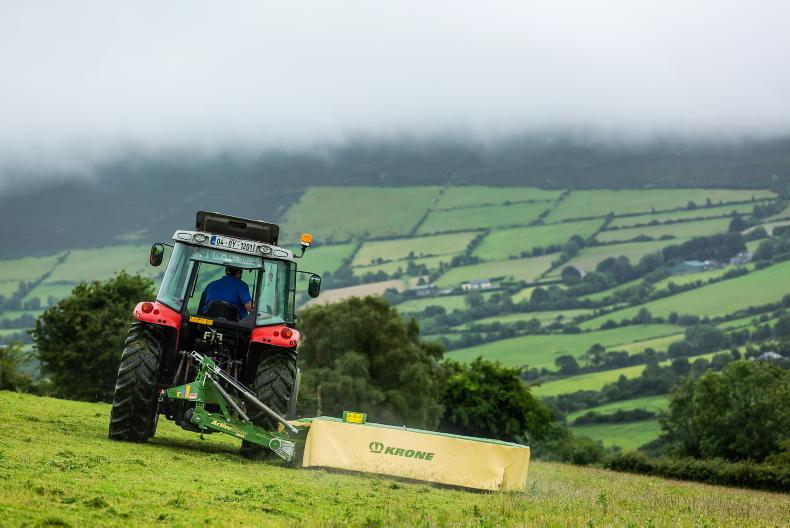
The rain has come but as is often the case after a dry spell, grass growth is slower to bounce than we expect. Temperatures have been that bit colder than up to now which probably isn’t helping.
While growth is similar to herd demand, average farm cover is lower than it should be on many farms and cows are still going into low covers.
In order for this to improve, growth needs to be substantially higher than demand. If growth rate is 70kg per day for the next seven days and demand is set to 50kg/day that means average farm cover is increasing by 20kg/ha per day or 140kg/ha over the week, which is 50kg per cow if the stocking rate is three cows/ha. The bigger the differential, the quicker the turnaround.
There is a smaller substitution effect with meal compared to a bulky feed like silage so unless you restrict how much grass the cows eat, you won’t get the full benefit in terms of slowing down the rotation length. Cows should be on a much slower rotation length of 35 to 40 days now that the rain has come. However, where farm cover is on target and pre-grazing yields are above 1,300kg/ha, remove as much feed as possible and get cows to eat as much grass as they can.
Nitrogen (N) is unlikely to be lacking after a dry spell. The lag in growth that some farmers are experiencing is more to do with plant physiology. Soil microbes will be releasing background N now that they have enough moisture. This is free N whereas bag N is expensive but it’s much more expensive if you apply it when you don’t need it. Plus, it means that both the free N and the expensive N can be lost to leaching.
With the retention of the nitrates derogation now dependent on water quality trends, reducing losses is more than just aspirational, it’s essential.
I think the best policy is to wait and see what happens over the next few weeks and then decide on how much N to spread. Going any earlier is not going to have an impact on grass growth. Other nutrients such as phosphorus, potash and sulphur may be a better investment in this round, particularly where clover is present and being encouraged.
According to the National Farm Survey, the average dairy farm in Ireland fed 1.32t of meal per cow in 2021. This is a scary statistic in terms of the level of system creep that has been allowed to fester since 2018.
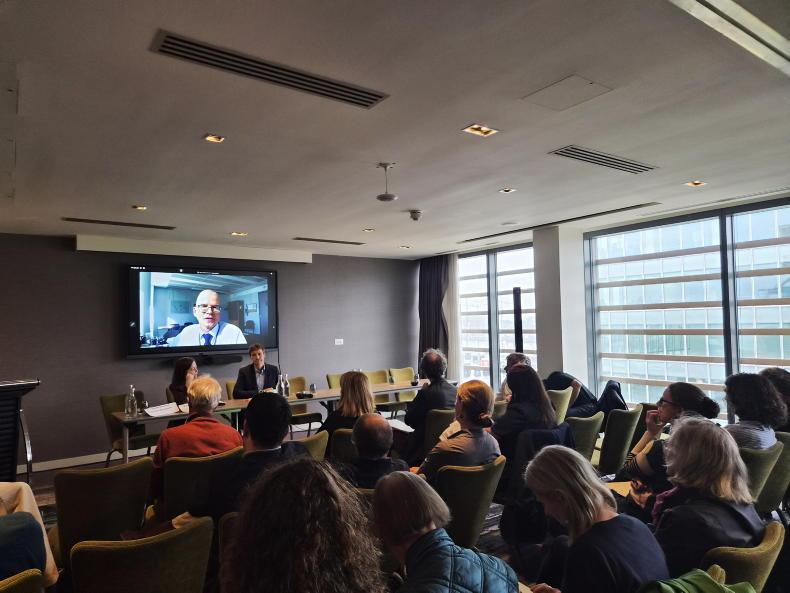
At Tuesday’s Positive Farmers Conference, it was repeatedly said by Laurence Shalloo that Ireland’s only competitive advantage in the world is our ability to be a low-cost producer because we can grow and graze grass.
Our milk price is the lowest in Europe but he says we are still the most profitable producers because of the high margin between milk price and costs. Increasing the cost of production is eroding this margin and doing away with the competitive advantage.
Everyone can make money when milk price is high but we need to be always thinking and planning for what will happen if milk prices drop again. With such volatility in the world, being a low-cost producer is the best place to be.


SHARING OPTIONS