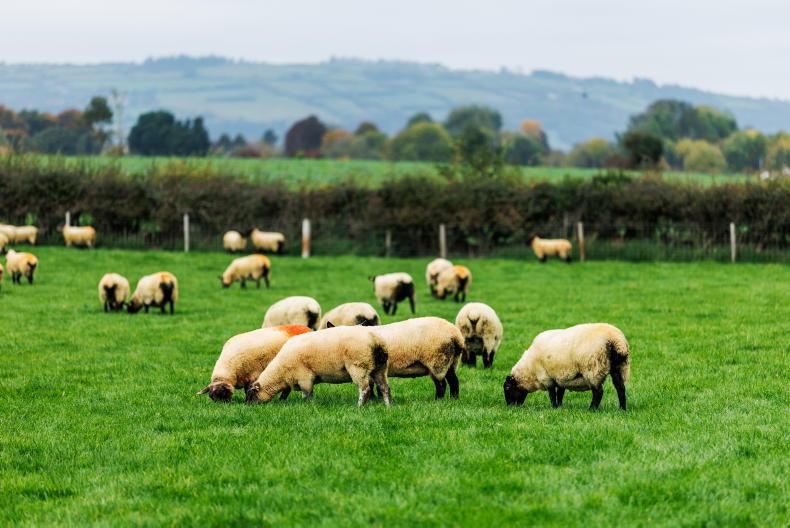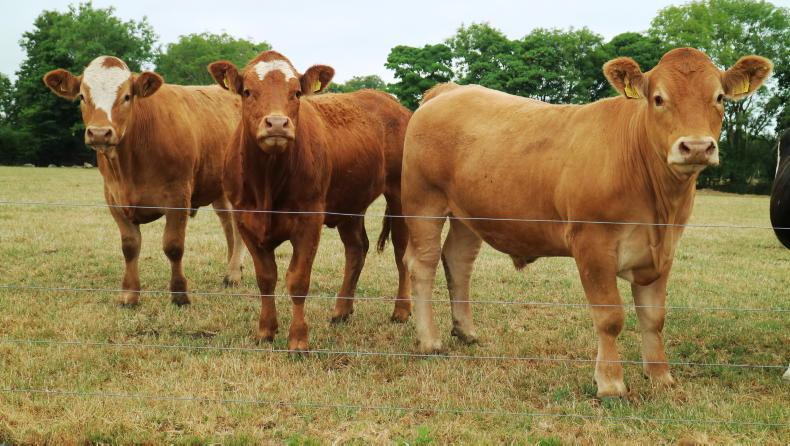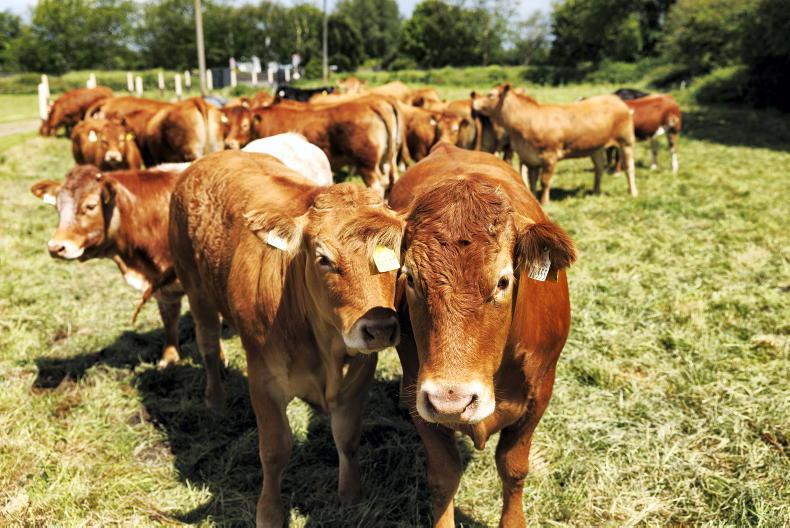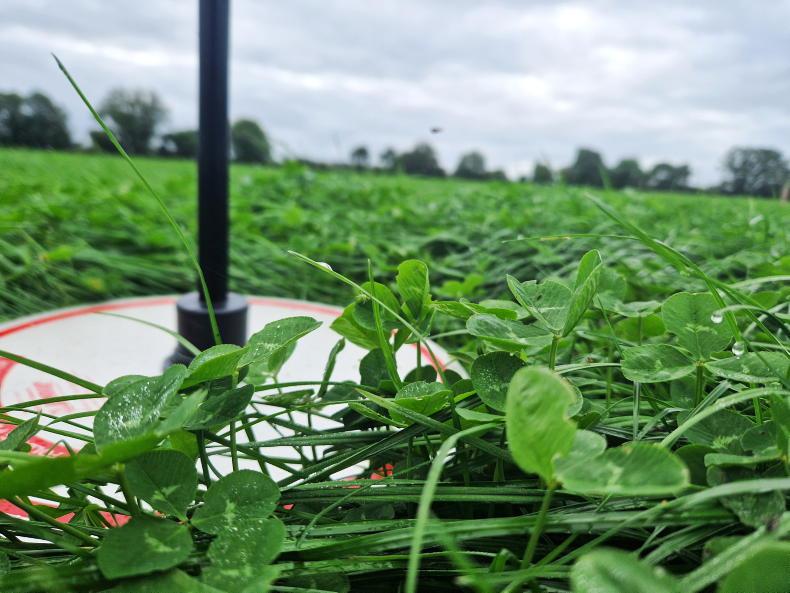
Grass is flying it at the minute. We usually see growth peak in mid-May before dipping down and peaking again in mid-July. The mid-July peak didn’t happen for anyone on a dry farm in the southern half of the country, but I think that we are seeing it now.
Growth is n in the mid 60s for a lot of these farms, with those in the northern half hitting the mid 70s.
This will result in the vast majority of farms building grass banks, which raises the question as to what to do with these; bale or build for autumn grazing.
Build or bale
The principles are simple; build a bank of grass that you can eat into when growth slows down, therefore staying at grass for longer. Some people have an issue with building pre grazing yields up to 2,000 kg DM/ha because they are difficult to graze in wet weather, slower to regrow and are a less energy dense feed than lower covers. It’s based off cheap feed (grass) forming as much of the cow’s diet as possible.
People against building grass will continue as normal, grazing covers of 1,400kg DM/ha and supplementing with meal and/or silage to fill the gap in the wedge as required.
Ground will be quick to regrow and easier to graze cleanly, though it does mean more expensive feed (silage and concentrates) going in to cows.
So, which is the right choice? Teagasc will point at the former making the most sense on paper, and I agree to a certain extent for dry farms that can continue to graze late in the season and with ground that will likely not get poached. If, however, you have a wet farm, there is likely merit in doing the latter.
There are few things more sickening than a heavy cover of grass blowing in the wind all winter where wet weather has forced cows inside. With such a dry year, will we have a wet back end? Answers on a postcard please.
Swardwatch
Grass growth is exceptional for the time of year, with many farms experiencing second peak.With excellent conditions underfoot, look to nail residual coming in to the autumn.Weigh up what best suits your farm regarding building grass. For dry farms, it will likely make sense to build cover to 1,000-1,100kg DM/ha by this time next month so plan for this.Tommie Devine, Frenchpark, Co Roscommon
Growth has actually slowed back to what it was, with growths having hit 100kg+ across several weeks there. Clover paddocks seem to have really taken off this year and we have been mowing out surplus paddocks for the last few weeks to keep on top of grass covers. As we baled these up, we went back with watery slurry on them to replace P andk
In-calf heifers have been moved on to the milking platform to help control grass without mowing out more paddocks. I would usually aim to have a farm cover of 750kg DM/ha by mid-August but we are already ahead of that.
Stocking Rate (cow/ha):2.7
Growth Rate (kg/day):70
Average Farm Cover (kg/cow):286
Yield (l/cow):20
Fat%:4.78
Protein%:3.96
Milk Solids (kg/cow):1.8
Concentrates:2
Colm O’Leary, Blarney, Co Cork
We got rain two weeks ago and the place turned around very quickly. When I walked it then I expected to hold silage in the diet for five days and I removed it after two, the recovery was that good, even with farm cover having dipped to around 400kg DM/ha. Our biggest issue is a lot of covers coming back at the same height.
We are spreading fertiliser this week, with 125kg/ha of 29-0-14 being spread. One or two paddocks will be baled out with the last of the slurry going on to these
With the low stocking rate on the platform, we will likely be building autumn covers by default.
Stocking Rate (cow/ha):2.5
Growth Rate (kg/day):55
Average Farm Cover (kg/cow):305
Yield (l/cow):21.7
Fat%:4.66
Protein%:3.72
Milk Solids (kg/cow):1.87
Concentrates:0
Bryan Daniels, Kilmoganny, Co Kilkenny
Due to our location, we never really burned up, only having to go in with silage for a few days (as opposed to increasing meal) to keep gut fill going.
Silage ground has come back into the rotation, and with growth still being very strong we have brought in-calf heifers back on to the milking block. Cows hit some really high clover swards last week and volumes increased by 12%. With these high clover swards we go in with bloat oil in the parlour through the meal.
We are averaging 94kg N/ha across the platform. Cows are hitting pre-grazing covers of 1,300-1,350kg DM/ha which is what we want.
Stocking Rate (cow/ha):2.56
Growth Rate (kg/day):86
Average Farm Cover (kg/cow):267
Yield (l/cow):21.4
Fat%:4.39
Protein%:3.65
Milk Solids (kg/cow):1.77
Concentrates:0.5
Grass is flying it at the minute. We usually see growth peak in mid-May before dipping down and peaking again in mid-July. The mid-July peak didn’t happen for anyone on a dry farm in the southern half of the country, but I think that we are seeing it now.
Growth is n in the mid 60s for a lot of these farms, with those in the northern half hitting the mid 70s.
This will result in the vast majority of farms building grass banks, which raises the question as to what to do with these; bale or build for autumn grazing.
Build or bale
The principles are simple; build a bank of grass that you can eat into when growth slows down, therefore staying at grass for longer. Some people have an issue with building pre grazing yields up to 2,000 kg DM/ha because they are difficult to graze in wet weather, slower to regrow and are a less energy dense feed than lower covers. It’s based off cheap feed (grass) forming as much of the cow’s diet as possible.
People against building grass will continue as normal, grazing covers of 1,400kg DM/ha and supplementing with meal and/or silage to fill the gap in the wedge as required.
Ground will be quick to regrow and easier to graze cleanly, though it does mean more expensive feed (silage and concentrates) going in to cows.
So, which is the right choice? Teagasc will point at the former making the most sense on paper, and I agree to a certain extent for dry farms that can continue to graze late in the season and with ground that will likely not get poached. If, however, you have a wet farm, there is likely merit in doing the latter.
There are few things more sickening than a heavy cover of grass blowing in the wind all winter where wet weather has forced cows inside. With such a dry year, will we have a wet back end? Answers on a postcard please.
Swardwatch
Grass growth is exceptional for the time of year, with many farms experiencing second peak.With excellent conditions underfoot, look to nail residual coming in to the autumn.Weigh up what best suits your farm regarding building grass. For dry farms, it will likely make sense to build cover to 1,000-1,100kg DM/ha by this time next month so plan for this.Tommie Devine, Frenchpark, Co Roscommon
Growth has actually slowed back to what it was, with growths having hit 100kg+ across several weeks there. Clover paddocks seem to have really taken off this year and we have been mowing out surplus paddocks for the last few weeks to keep on top of grass covers. As we baled these up, we went back with watery slurry on them to replace P andk
In-calf heifers have been moved on to the milking platform to help control grass without mowing out more paddocks. I would usually aim to have a farm cover of 750kg DM/ha by mid-August but we are already ahead of that.
Stocking Rate (cow/ha):2.7
Growth Rate (kg/day):70
Average Farm Cover (kg/cow):286
Yield (l/cow):20
Fat%:4.78
Protein%:3.96
Milk Solids (kg/cow):1.8
Concentrates:2
Colm O’Leary, Blarney, Co Cork
We got rain two weeks ago and the place turned around very quickly. When I walked it then I expected to hold silage in the diet for five days and I removed it after two, the recovery was that good, even with farm cover having dipped to around 400kg DM/ha. Our biggest issue is a lot of covers coming back at the same height.
We are spreading fertiliser this week, with 125kg/ha of 29-0-14 being spread. One or two paddocks will be baled out with the last of the slurry going on to these
With the low stocking rate on the platform, we will likely be building autumn covers by default.
Stocking Rate (cow/ha):2.5
Growth Rate (kg/day):55
Average Farm Cover (kg/cow):305
Yield (l/cow):21.7
Fat%:4.66
Protein%:3.72
Milk Solids (kg/cow):1.87
Concentrates:0
Bryan Daniels, Kilmoganny, Co Kilkenny
Due to our location, we never really burned up, only having to go in with silage for a few days (as opposed to increasing meal) to keep gut fill going.
Silage ground has come back into the rotation, and with growth still being very strong we have brought in-calf heifers back on to the milking block. Cows hit some really high clover swards last week and volumes increased by 12%. With these high clover swards we go in with bloat oil in the parlour through the meal.
We are averaging 94kg N/ha across the platform. Cows are hitting pre-grazing covers of 1,300-1,350kg DM/ha which is what we want.
Stocking Rate (cow/ha):2.56
Growth Rate (kg/day):86
Average Farm Cover (kg/cow):267
Yield (l/cow):21.4
Fat%:4.39
Protein%:3.65
Milk Solids (kg/cow):1.77
Concentrates:0.5
SHARING OPTIONS