



Financials: The outlook report released by Teagasc last week made for grim reading in terms of expected dairy farm profitability forecasts for 2026.
It showed that dairy farm incomes are likely to reduce to almost half of the levels achieved in 2025 due to lower milk prices and increasing costs on farms.
This is even before the low summer grass growth being experienced on many farms is considered.
A similar situation also occurred in 2023, after a very strong year in 2022, and that made the first six months of that year a difficult time on many farms.
The drop in milk receipts during the first half of 2026 has been considerable (as milk price has reduced by 12c to 14 c/l on 2025 levels during the first half of the year) and, as beef prices have cooled, the outlook for the cull cow trade is also not as good as this time last year.
Knowledge is power here so every farm should use the next few weeks to do a cashflow budget to project revenues and expenses for the remainder of the year. That exercise will clarify what the existing commitments are and what new spending, if any, can take place on the farm for the remainder of the year. When cashflows are tight, and in particular with feed bills rising due to the current dry summer conditions, it’s important to avoid unnecessary expenditure.
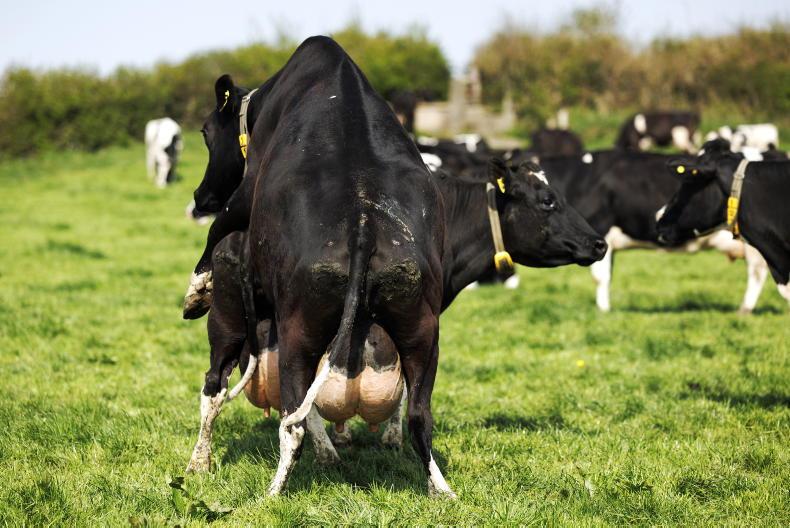
Breeding: The end of the breeding season is usually around now and any cows served this week will calve on or around 10 May. With the dry conditions, many farmers have continued breeding during the warm weather due to fears of pregnancy loss but its time now to end the breeding period for 2026.
By the time we get to the end of calving in late April, I always find farmers are tired and it’s a good idea to have a short break period before starting the breeding season again.
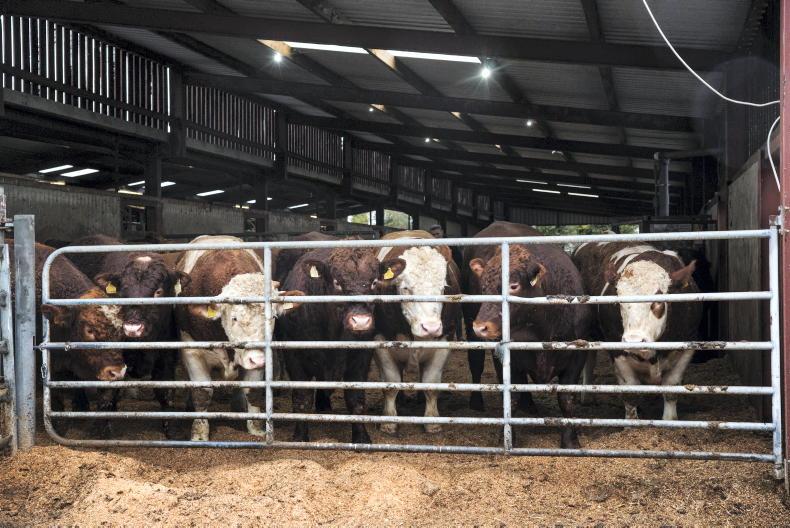
Although it is likely that there will be a demand for later calving milking cows near year-end, the dry conditions on many farms currently mean that removing empty cull cows in the next few weeks is a good way of reducing feed demand and the need for expensive supplements when milk price is reduced. It’s also beneficial to reduce stocking rate to extend the grazing season heading into autumn which will improve animal performance when growth recovers.
Time off: Late July and early August is usually a good time on the farm to get routine jobs done and set aside some time away from the farm with family before schools return.
The most labour-efficient farms really excel here with nobody working more than 35 to 40 hours per week and have a few relief milkers available to call on when needed. While farmers generally cut back on relief milkings when margins are tight, going to college has never been more expensive and there are lots of students looking to earn money ahead of the new academic term. Why not organise someone to routinely do a few evening milkings each week? There are few jobs that pay as well as relief milking in local communities as many other part-time jobs have disappeared in recent years.



SHARING OPTIONS