



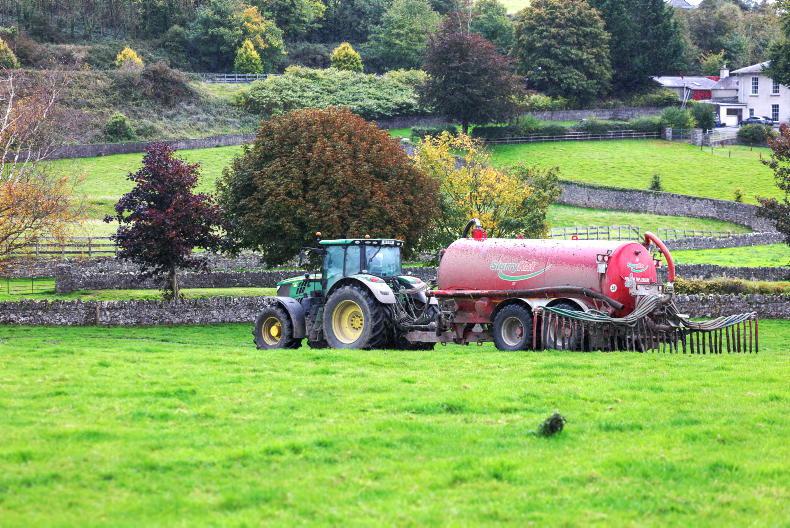
Grazing: Heavy rain in early summer is either a blessing or a curse depending on soil type. With two to three times the normal rainfall so far in June, those on heavier soils are beginning to suffer as soils are literally saturated. Met Éireann data is showing that heavier soils across almost all of the country are at field capacity for soil moisture. Gaps to paddocks are sticky and field work such as silage and slurry is touch-and-go on these heavier soils. With drier weather forecast for the weekend and beyond, the situation should improve. However, for those on free-draining soils, all of this rain is a blessing as it means that grass growth rates should remain strong for the foreseeable future. In other words, it would take at least four weeks of no rain and high evapotranspiration for soil moisture deficits to start impacting on grass growth. The high rainfall has meant that many farmers have been unable to get surplus paddocks cut. With better weather coming, farmers need to get their house in order quickly. Average farm cover should be in the 160kg to 180kg/cow range and demand should be in the 60kg to 75kg range which is effectively a stocking rate of 3.5 to 4.1 cows/ha.
Meal: Daire Cregg reports on some interesting findings from a discussion group exercise on pages 32 and 33. On average, members of the group fed 25% less concentrates per cow for the first six months of 2026 compared to the same period in 2025. The impact on milk solids was minimal, with just a 1% decline in milk solids per cow. Obviously, there are lots of factors involved and its not a controlled experiment by any means but given the big contrast in weather in 2026 versus 2025, one would expect a bigger difference in animal performance. Also, given the bad weather in 2026, it would be expected that meal feeding would actually increase this year compared to last year. Without doubt, farmers in the group made a very rational decision to feed less meal this year because milk price was low, despite the weather being worse. On the face of it, this was a wise decision as animal performance didn’t suffer. The impact on fertility and subsequent animal performance remains to be seen. We will follow up later in the year.
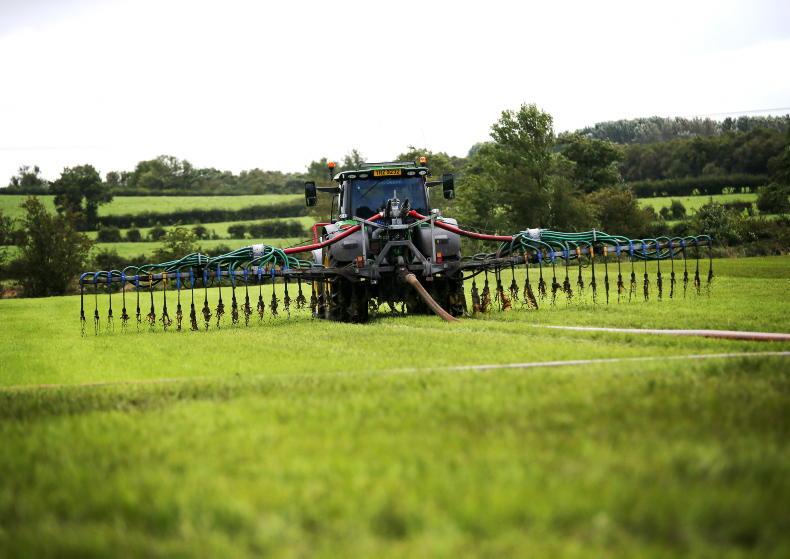
Slurry: With such high grass growth rates over the last few weeks, it’s likely that grass will run out of steam shortly. Plants are the original solar panels, capturing energy from the sun using photosynthesis but the high growth rates also use up soil nutrient reserves, particularly N, P and K. Where animals graze grass, the majority of the nutrients go back to the soil via urine and faeces, with some carried away in the milk and in the animals themselves. However, when silage is cut almost all of the nutrients are carried away in the silage, so silage fields are much more likely to get depleted much faster than grazing fields. For every 1t DM of grass harvested, a grazing field removes 1.6kg of P and 3kg of K whereas a silage field removes 4kg of P and 30kg of K. Roughly speaking, for every three bales of silage harvested per acre, 1,000 gallons/acre of slurry is required.


SHARING OPTIONS